
Last updated October 30, 2026
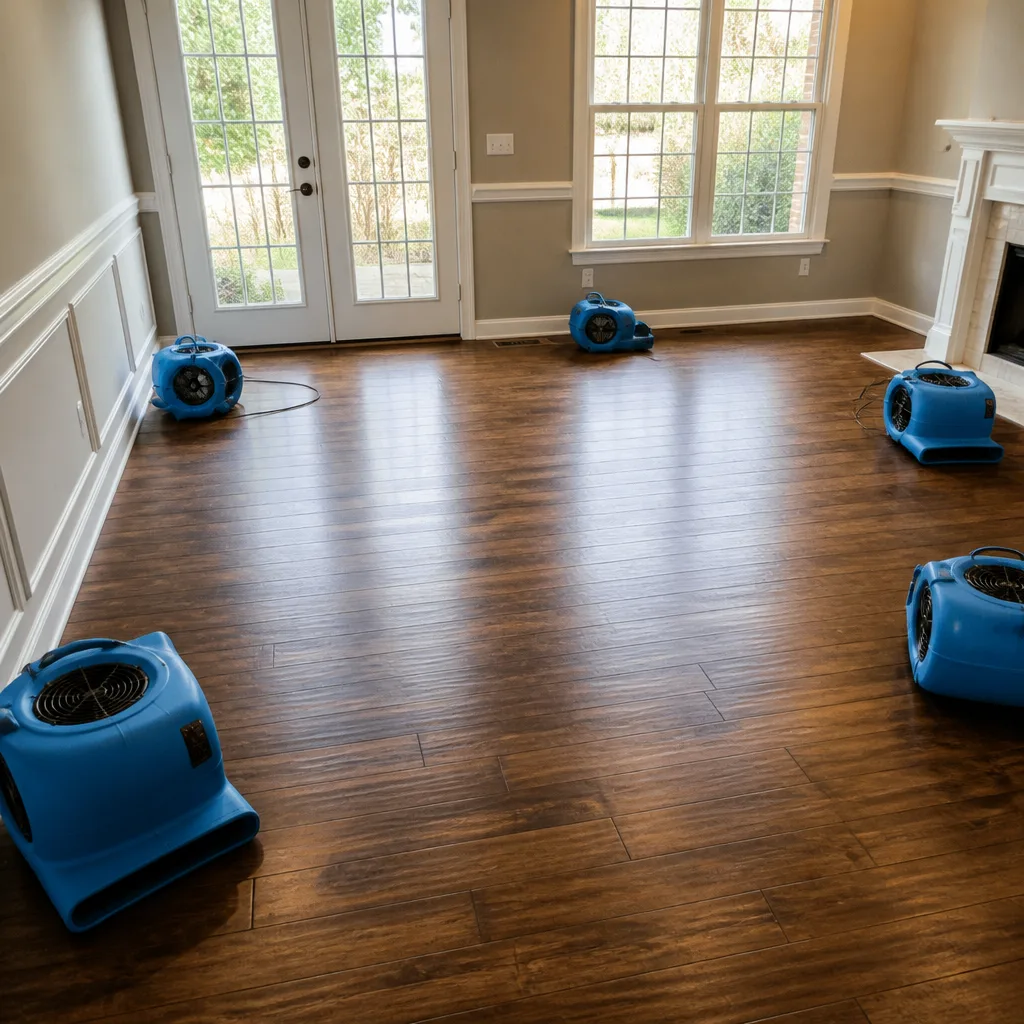 Water damage drying
 Fire & smoke cleanup
 Mold remediation
 Storm response
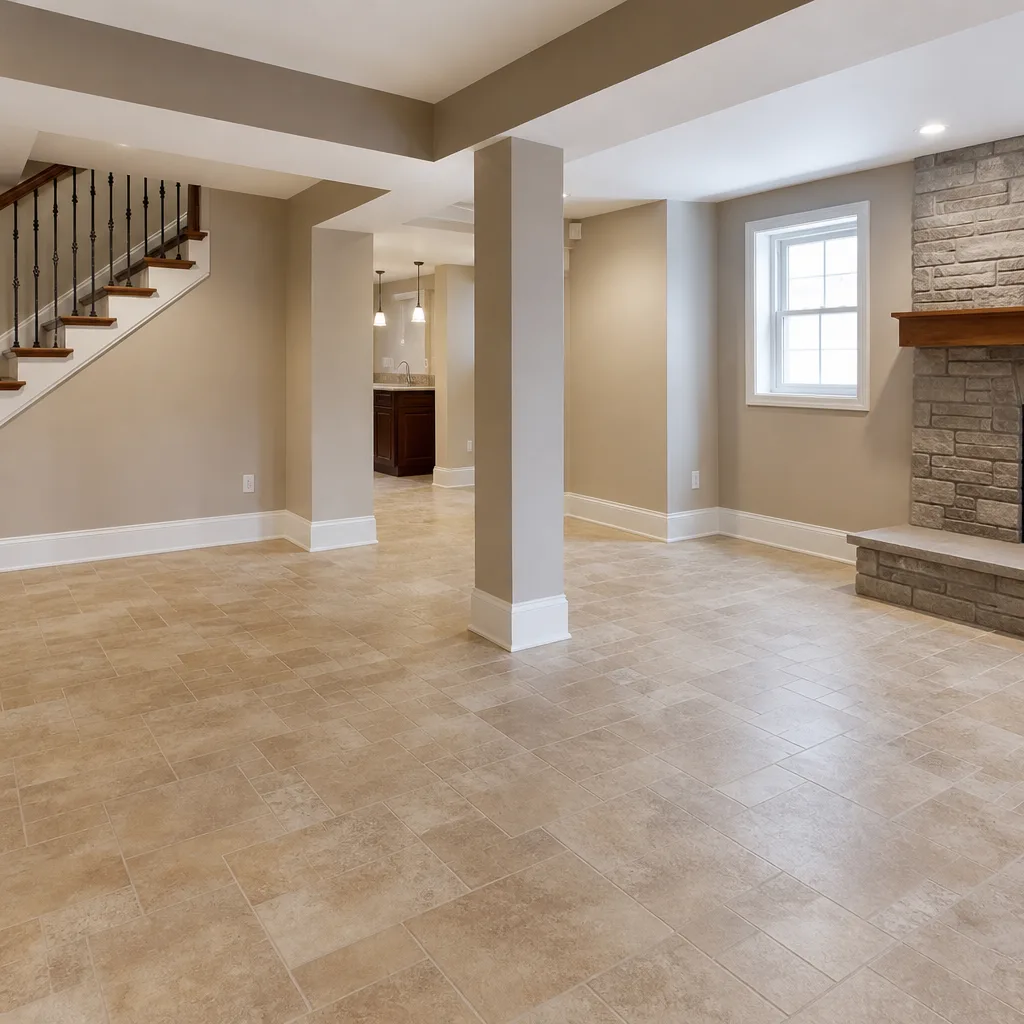 Sewage cleanup
 Reconstruction
Free visual inspection and a written scope of work before any mitigation begins - photos, moisture readings, and drying logs go in your claim file
The scope we write is the scope we bill. Anything new gets shown to you, in writing, before we touch it.
Get your free estimateDamage Restoration Cost Breakdown: The Sunrise Manor Homeowner’s Reference for 2026
The average water damage restoration job in the Southwest expands its scope by roughly 34% once demolition begins. That number doesn’t exist because contractors are padding invoices. It exists because moisture in slab-on-grade construction and stucco exteriors migrates laterally through building materials long before it shows up on a surface reading. A small ceiling stain near a bathroom in Sunrise Manor can trace back to a pinhole leak that has been feeding the wall cavity for months. This guide walks through what restoration actually costs in 2026, where the money goes at each phase, and how to read the numbers so a final invoice never surprises you. For more guides & resources, see our blog.
Restoration work we handle
Quick Answer
Water damage restoration in Sunrise Manor typically costs $3.75 to $7.50 per square foot for extraction, drying, and basic repairs, with full remediation and rebuild projects ranging from $4,500 for a Category 1 isolated leak to well over $35,000 when Category 3 sewage contamination, mold, or structural rebuild enters the picture. Most of the final tab is driven by three variables: water category classification, equipment-dry time in days, and whether your policy pays replacement cost value (RCV) or actual cash value (ACV). If you remember one number, remember this: equipment rental days are the single largest point of invoice inflation, and they are entirely verifiable with a moisture log.
Table of Contents
- Phase-by-Phase Cost Breakdown for 2026
- How Water Category Affects Cost: Category 1 vs. 2 vs. 3
- Why Drying Equipment Days Are the Most Variable Line Item
- Insurance, Depreciation, and ACV vs. RCV in Nevada
- Hidden Cost Drivers Specific to Sunrise Manor
- When Mold Remediation Enters the Scope
- Fire Damage Restoration: A Different Cost Model
- Common Mistakes to Avoid
- When to Call a Professional
- Frequently Asked Questions
- The Bottom Line
Phase-by-Phase Cost Breakdown for 2026
Restoration is not one service. It’s a sequence of distinct phases, each with its own labor, equipment, and material costs. In Sunrise Manor, where summer temperatures routinely exceed 105°F and monsoon-season humidity spikes in July and August, drying timelines and equipment loads shift with the calendar. Here is what each phase costs as a line item, based on Clark County market rates in 2026.
Phase 1: Emergency Assessment and Water Extraction
- Dispatch and assessment fee: $150 to $350, often waived if the same company performs the full restoration.
- Water extraction labor: $250 to $600 for the first room, $85 to $140 per additional affected room.
- Extraction equipment cost: $125 to $300 for a truck-mounted or portable extraction unit session, depending on water depth and square footage.
- Emergency board-up or tarping (if storm-related): $200 to $900, depending on opening size and height.
Extraction is the cheapest phase relative to the damage it prevents. Removing standing water within the first 24 hours cuts secondary damage dramatically. The cost here is mostly labor and mobilization. You are paying for a crew to show up with the right pumps and vacuums, not to rent equipment that sits idle for days.
Phase 2: Structural Drying and Dehumidification
- Commercial air mover (per unit, per day): $28 to $45.
- Commercial dehumidifier (per unit, per day): $75 to $125 for standard desiccant or LGR units.
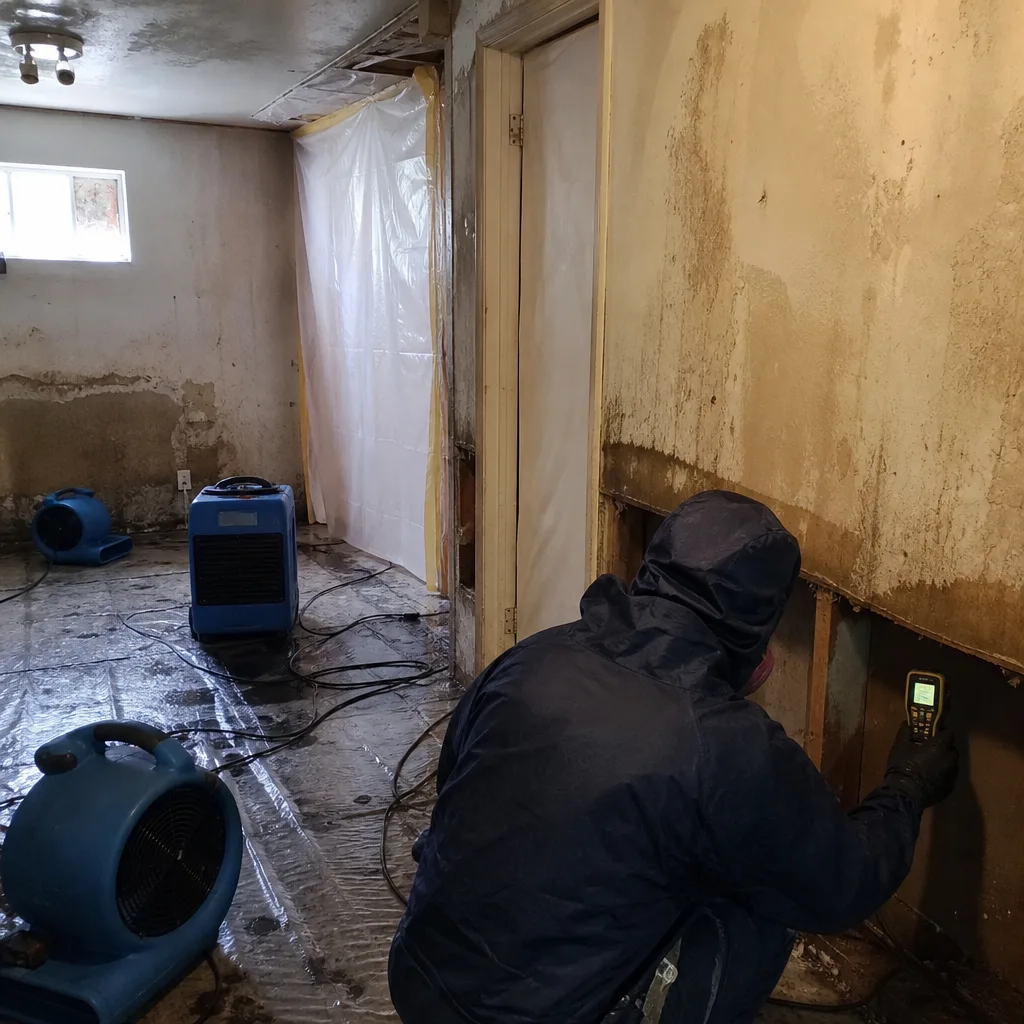
- Average equipment load for a 400-square-foot affected area: 8 – 12 air movers and 2 – 3 dehumidifiers, running 3 to 7 days.
- Total drying phase cost range: $1,800 to $4,600 for a typical two-room water loss.
This phase is where invoices grow quietly. Equipment counts look technical on paper, and most homeowners never question whether ten air movers were justified for a hallway and a closet. We’ll get into how to verify this below. The point for now: drying is not a flat fee. It is a daily rental equation, and the number of days is supposed to be driven by moisture meter readings, not habit.
Phase 3: Demolition and Removal
- Drywall removal (per linear foot of wall): $6 to $14 for cut-out and haul-away.
- Flooring removal (carpet and pad): $1.50 to $3.00 per square foot.
- Baseboard removal and disposal: $1.25 to $2.50 per linear foot.
- Cabinet or vanity removal (if water-wicked): $150 to $600 per fixture, depending on size and construction.
- Dumpster or debris hauling in Sunrise Manor: $250 to $650 per load, with some zip codes adding a small transfer-station surcharge.
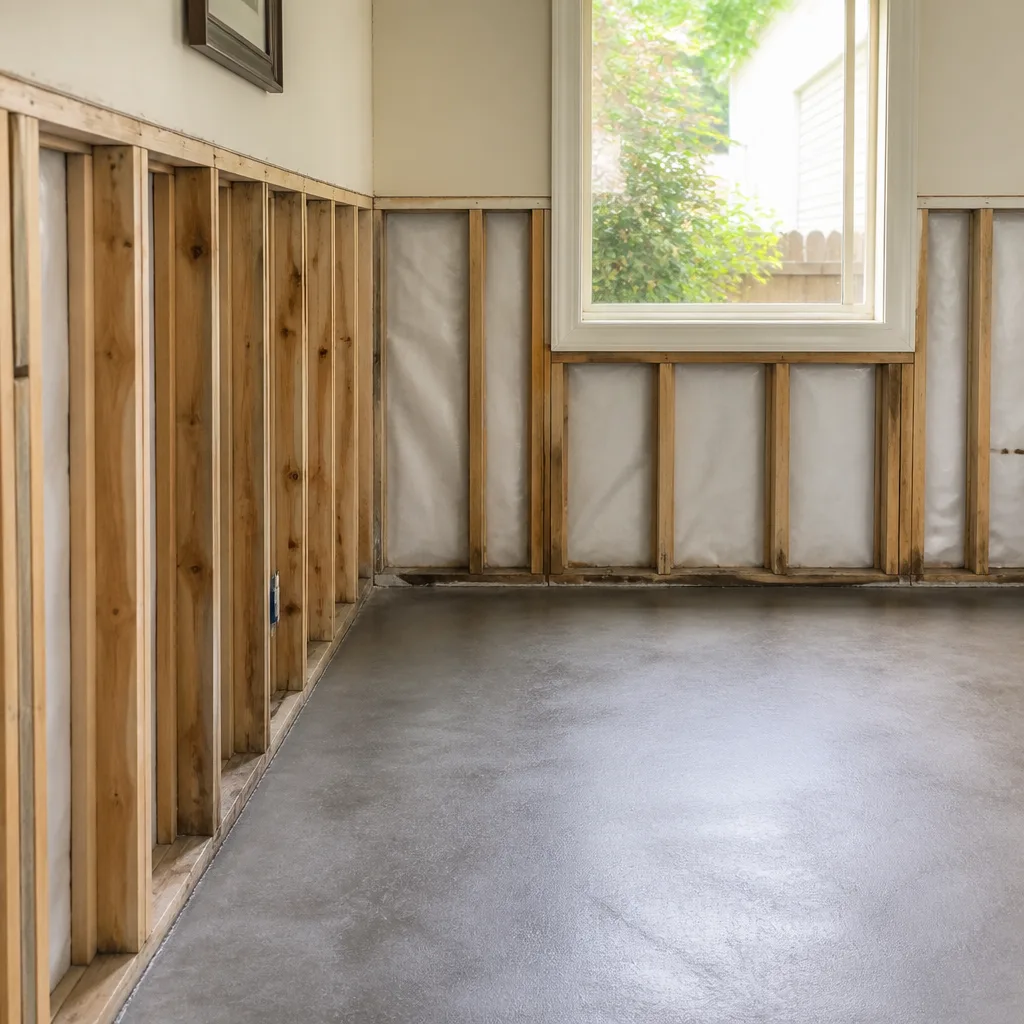
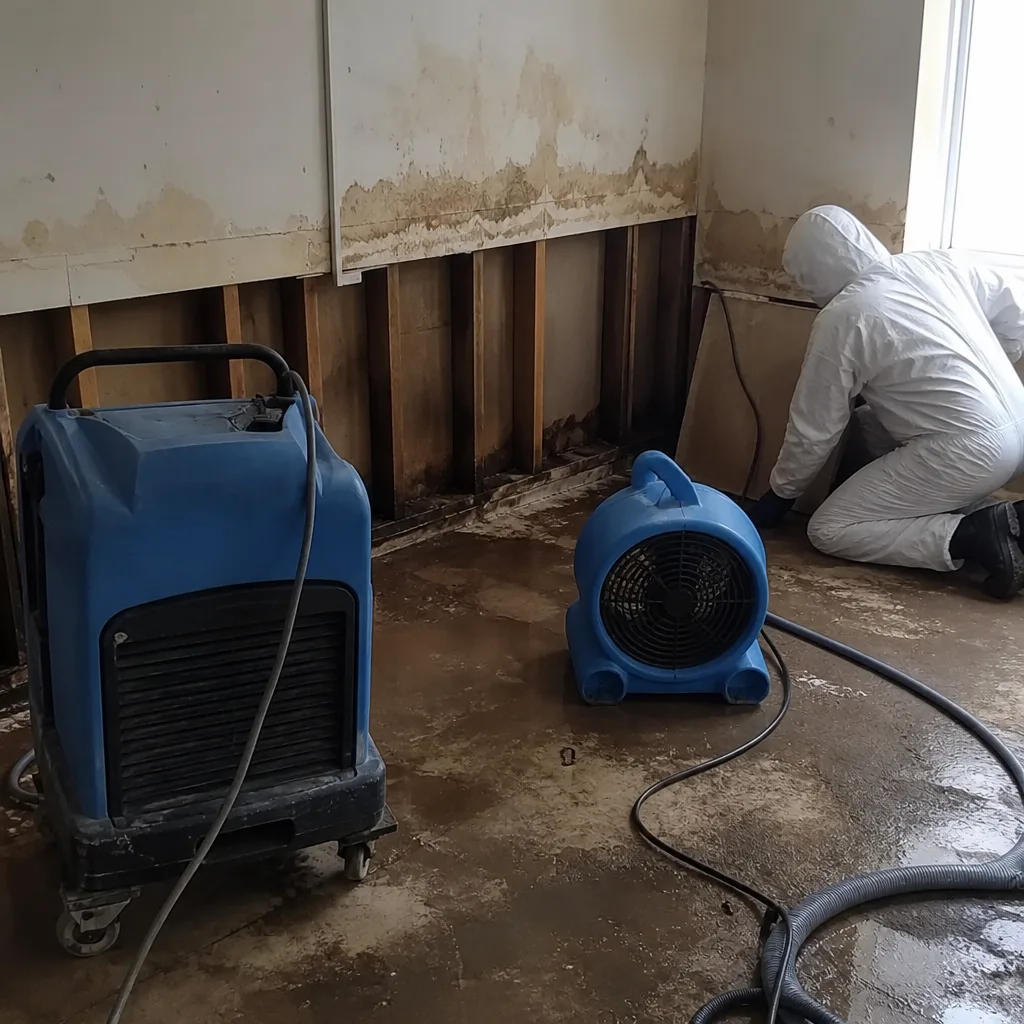
Demolition is where scope expansion happens fast. A water-stained wall that looked fine from the outside often hides a wet stud cavity, deteriorated insulation, or a bottom plate that has absorbed moisture like a sponge. In slab homes, water that drains into a wall from a slab leak frequently requires cutting drywall all the way to the floor line and sometimes trenching through the slab itself, which adds $1,200 to $4,000 depending on length and depth.
Phase 4: Rebuild and Finish Work
- Drywall replacement and finishing: $2.75 to $4.25 per square foot installed.
- Paint (primer plus two coats): $3.00 to $5.50 per square foot of wall surface.
- Baseboard and trim installation: $3.50 to $7.00 per linear foot, materials included.
- Carpet replacement (mid-grade): $4.50 to $8.00 per square foot installed with pad.
- Tile or laminate flooring: $6.00 to $14.00 per square foot depending on material grade.
- Cabinet replacement (mid-grade, per linear foot): $175 to $400.
Rebuild is the phase where material choices drive cost more than labor does. A homeowner who lost a bathroom vanity can spend $300 on a stock replacement or $2,500 on a custom unit. Insurance typically covers like-kind-and-quality, not upgrades. If you choose better materials than what was there before the loss, the upgrade difference is paid by you, not the carrier.
How Water Category Affects Cost: Category 1 vs. 2 vs. 3
Water is not all the same, and the classification system matters more than most homeowners realize. The IICRC standard (which our crew is certified to) divides water losses into three categories based on contamination level. Misclassifying a Category 3 loss as Category 1 is not a paperwork error. It changes what gets demolished, what gets sanitized, what gets replaced, and how much everything costs.
Category 1: Clean Water
Source examples: A burst supply line, a leaking faucet, a failed water heater connection, or rainwater that hasn’t touched carpet or building materials for long.
Typical response: Extraction, drying, and spot repair are usually sufficient. Porous materials like carpet and pad can often be saved if dried properly within 48 hours.
Cost impact: Lowest cost category. Expect $3.75 to $5.00 per square foot all-in for extraction, drying, and minor repairs. A 400-square-foot bathroom water heater leak in Sunrise Manor usually lands between $1,500 and $3,200 total.
Category 2: Gray Water
Source examples: Washing machine overflow, dishwasher discharge, sump pump failure, or toilet overflow with urine but no feces.
Typical response: Materials that absorbed gray water are removed, not saved. Carpet pad is almost always discarded. Hard surfaces get cleaned and sanitized with antimicrobial treatment.
Cost impact: Moderate. Expect $5.50 to $7.50 per square foot, with a standard kitchen-drain loss running $3,500 to $8,000 depending on cabinet involvement. Cabinet boxes that wicked gray water usually require replacement because particleboard cannot be truly sanitized once saturated.
Category 3: Black Water
Source examples: Sewage backup, toilet overflow with feces, floodwater from outside, or any standing water that has begun growing microbial organisms.
Typical response: Aggressive demolition. All porous materials go. Drywall is cut well above the visible wicking line. The entire affected envelope is contained, sanitized, and dried under negative air pressure. Then rebuild begins from structural framing.
Cost impact: Highest. Expect $8.00 to $14.00 or more per square foot depending on finish level and containment complexity. A 600-square-foot sewage backup in a Sunrise Manor slab home can easily reach $15,000 to $28,000 before rebuild. This is the category where hiring a certified professional from the start protects your health and your claim. A crew without the right containment protocols spreads contamination, and the secondary damage shows up as a mold claim months later.
Why Drying Equipment Days Are the Most Variable Line Item
If you take nothing else from this guide, take this: the equipment line on a restoration invoice is where the money hides. The reason is simple. Drying equipment is billed per unit, per day, and most homeowners have no idea what is actually necessary. A company can place six air movers in a room where four would have worked. They can run those units for eight days when five would have done it. The difference on a single invoice can be $1,200 to $3,500, and no one notices because the line item looks technical.
Here is how to read it like an adjuster would.
- Ask for a psychrometric reading at the start. This is the baseline measurement of temperature, relative humidity, and moisture content in building materials. It should be documented in writing before equipment goes in. If the contractor can’t produce one, walk away. You’re dealing with a guesser, not a restorer.
- Request a daily moisture log. Each day, someone should be checking affected materials with a moisture meter and recording the numbers. Wood framing should be dropping toward its dry standard, usually 8% to 12% moisture content. Drywall should read below 1% on a non-invasive meter. If the numbers aren’t moving, the equipment placement is wrong, and more days won’t fix a bad setup.
- Understand the theory behind equipment count. A standard 10-foot-by-10-foot room with one wet wall usually needs 3 to 4 air movers and one dehumidifier. Two full rooms with saturated carpet and wet lower drywall might justify 8 to 12 movers and 2 to 3 dehumidifiers. If a contractor puts 18 movers in a hallway, ask why.
- Know the legitimate reasons for longer dry times. Slab construction in Sunrise Manor can hold moisture in concrete longer than raised foundation homes. A wall that has been wet for weeks before discovery will dry slower. Monsoon-season humidity in July and August extends dry times by 1 to 3 days because outside air holds more moisture. These are valid. Use them to verify, not to distrust.
- Ask about Injectidry. Not every company has it. We run Injectidry systems specifically to dry inside wall cavities and under subfloors without having to remove and replace drywall or flooring. In cases where a cavity is wet but the facing material is salvaged, Injectidry can cut both demolition and drying time. Fewer days of equipment, less rebuild work. It’s one of the quieter ways a technically equipped restoration firm saves you money.
The drying phase normally spans 3 to 7 days for a straightforward water loss in Sunrise Manor. Anything beyond day 7 should have a specific, documented reason. “We just want to make sure it’s dry” is not a documented reason. A moisture log showing framing at 14% and falling slowly is.
Insurance, Depreciation, and ACV vs. RCV in Nevada
The insurance math in Nevada is not the same as the restoration math. Your contractor quotes you the true cost of returning your home to pre-loss condition. Your insurer may calculate the settlement differently depending on your policy language. Understanding the two valuation methods is the fastest way to know whether a gap between the invoice and the check is legitimate or negotiable.
Actual Cash Value (ACV)
ACV means replacement cost minus depreciation. If your roof has 15 years on a 25-year shingle, the insurer calculates what those 15 used years are worth and subtracts that from the payout. ACV policies in Nevada are cheaper to carry but pay out less when a loss occurs. For older Sunrise Manor homes with original materials from the 1970s and 1980s, ACV settlements can leave a homeowner covering 40% or more of the rebuild cost out of pocket.
Replacement Cost Value (RCV)
RCV means the insurer pays what it actually costs to replace the damaged material with like kind and quality, with no depreciation penalty assessed at settlement time. Most standard Nevada homeowners policies use RCV for the structure, though personal property is often ACV by default unless you bought an RCV rider. The practical difference on a $20,000 restoration scope is often $6,000 to $10,000. Read your policy’s loss settlement clause. The words “replace” versus “repair” and “actual cash value” versus “replacement cost” are the whole ball game.
How to Work With Your Adjuster Like a Pro
- Document everything before anything is disturbed. Photo and video of the entire affected area, every room, every wall, every closet. The more documentation exists from the first hours, the less room there is for downscope later.
- Do not throw anything away until the adjuster has inspected it. Even saturated carpet padding. Tag it, move it to a garage or exterior area if necessary, but keep it available for inspection. An adjuster who cannot see the damaged material often assumes the damage was less severe.
- Get a written scope from your restoration contractor. We provide a written scope of work before any demolition begins. That document becomes the anchor for your claim. It should list affected rooms, materials to be removed, drying plan, and expected duration. A vague verbal estimate is worthless when the adjuster asks why $4,000 of drywall needed to come out.
- Ask your restoration company for photo documentation. Every day of the project, photos should be taken. On our jobs, the condition of every wall, floor, and cavity after demo is photographed and logged. That visual record often closes the gap between what the homeowner knows happened and what the insurer is willing to pay.
- Talk about depreciation recovery. Even under RCV policies, many insurers issue the initial payment as ACV and release the remaining balance as “recoverable depreciation” after the work is completed and invoiced. Make sure you know when and how to trigger that second payment. Missing the deadline for recoverable depreciation on a Sunrise Manor claim can cost you thousands.
Hidden Cost Drivers Specific to Sunrise Manor
Sunrise Manor carries building stock and code realities that change restoration costs in ways a generic national guide never captures. Here are the ones that affect the most homes in this zip code.
Pre-1980 Housing Stock and Asbestos
A significant portion of Sunrise Manor’s original housing dates to the 1960s and 1970s. That matters for restoration because many of those homes used asbestos-containing materials in drywall joint compound, ceiling texture, vinyl flooring, and pipe insulation. Clark County and the EPA require that renovation or demolition work in homes of that era include asbestos testing before materials are disturbed. A basic asbestos survey costs $200 to $600. If asbestos is found and must be abated, that adds $2,000 to $10,000 to the project and pushes the timeline out by days or weeks, not hours. The single best move a homeowner can make is to schedule that test early, not after demolition has started and the county stops the project.
Lead Paint Protocols
Homes built before 1978 may contain lead-based paint. Restoration work that disturbs painted surfaces on those properties triggers EPA’s Renovation, Repair and Painting (RRP) rule. Contractors must be RRP-certified, use containment, and follow specific cleanup protocols. Not every restoration company is. The cost difference is real: RRP-compliant work adds 5% to 15% to the paint and drywall portions of a rebuild. Ask your contractor upfront whether their crew is RRP-certified if your home predates 1978. A company that can’t answer that question cleanly isn’t the right fit for your house.
Clark County Permit Fees for Structural Repairs
Not every water damage job requires a permit. Replacing drywall, flooring, or cabinets generally doesn’t. But if the damage involves structural framing, slab trenching, or modifications to load-bearing elements, Clark County requires permits. Current permit fees for structural repair work in 2026 range from $180 for minor framing repairs to $1,200 or more when engineered drawings are required. Unpermitted work on structural items creates issues at resale and can cause insurance disputes. A legitimate restoration firm will tell you when a permit is required, not quietly skip it to save time.
Slab Leaks and the Concrete Problem
Sunrise Manor sits on slab foundations almost exclusively. That means supply-line leaks under the slab travel through concrete before they reach visible surfaces. By the time water shows at the baseboard, it has often been moving through the slab for weeks. Slab leaks require either epoxy injection repair or slab trenching, and the recommendation depends on pipe material, access, and water chemistry. Trenching adds $1,200 to $4,000. Epoxy repair runs $600 to $1,800 per leak. Neither is covered by every insurance policy without a specific endorsement, so check your policy language on “foundation water damage” before assuming coverage.
When Mold Remediation Enters the Scope
Mold follows water on a predictable timer. In a Sunrise Manor home during summer, where daily highs push past triple digits and indoor humidity stays elevated without HVAC circulation, mold colonization can begin within 24 to 48 hours of water saturation. If your water loss has been wet for more than 72 hours before professional drying begins, Mold Remediation in Sunrise Manor is likely to enter the project scope, not as a separate project but as a phase of the same loss.
Mold remediation costs in 2026 Clark County generally run $2,000 to $8,000 for a contained area of 100 to 400 square feet. That range includes containment, air filtration devices (negative air machines), HEPA vacuuming, antimicrobial application, and removal of contaminated materials. It does not include rebuild. The rebuild still follows as a separate phase, so a water loss that becomes a mold loss is effectively two projects priced as one. The takeaway is simple: faster professional drying at the start keeps the mold phase off your invoice entirely.
What drives mold cost most is containment complexity. If mold is isolated to a single bathroom, a single-chamber containment with one air scrubber might run $2,500. If mold has moved through a central HVAC system and affected multiple rooms, expect $8,000 or more and possibly duct cleaning or replacement. The other driver is verification testing. Post-remediation clearance testing by an independent industrial hygienist costs $300 to $800 in Sunrise Manor and is the only way to document that the remediation worked. That testing is worth every dollar when insurance is involved, because it’s the proof the claim was resolved correctly.
Fire Damage Restoration: A Different Cost Model
Fire restructures the math entirely. It is not a square-footage game. It is a square-footage-plus-contamination game, because smoke and soot move through the entire structure, not just the room that burned. Fire Damage Restoration in Sunrise Manor typically costs $4,000 to $12,000 for minor kitchen fires and $30,000 to $80,000 or more for full structure fires requiring substantial rebuild. The spread is enormous because fire is unpredictable in a way water is not.
Here are the major line items in a fire restoration scope:
- Emergency board-up and tarping: $500 to $2,500 depending on openings and roof damage.
- Water extraction (from fire suppression): $500 to $2,000. Every fire is also a water loss, because the fire department used water to stop it, and that water soaked everything it touched.
- Smoke and soot cleaning (per square foot): $2.50 to $5.00 for walls, ceilings, and hard surfaces. This includes HEPA vacuuming and chemical sponge cleaning.
- Content cleaning and pack-out: $2,000 to $8,000 depending on inventory volume.
- Ozone or hydroxyl odor treatment: $500 to $1,800 per treatment cycle.
- Structural rebuild: $30 to $80 per square foot of affected area depending on finish level.
Fire claims are also where the value of working with one company across all three disciplines shows up. The water from the fire department needs extraction and drying. The soot needs professional cleaning. The burned framing needs rebuild. If you manage three separate contractors through an adjuster’s schedule, the project timeline stretches and the coordination gaps create change-order costs. One call covers water, mold, and fire at Ashworth Water Damage home, which means one written scope, one moisture log, one point of accountability.
Common Mistakes to Avoid
- Waiting to call because “it’s just a small leak.” A pinhole supply line leak inside a wall can run for weeks before showing visible staining. In that time, it has saturated insulation, wetted the stud cavity, and often started microbial growth. Small visible damage does not mean small hidden damage.
- Using a handyman for extraction and drying. A plumber fixes the pipe. A restoration firm dries the structure. The toolsets are not interchangeable. Shop vacs and box fans do not dry wall cavities, and every day of inadequate drying extends the moisture exposure period.
- Not reading the insurance policy’s valuation language before signing a restoration contract. If your policy is ACV and your contractor’s quote assumes RCV-level materials, you’ll be bringing cash to closing on your own claim. Know your coverage before you approve the scope.
- Approving demolition without a written scope. Once the drywall is gone, the evidence goes with it. A written scope of work, agreed before demolition starts, protects both the homeowner and the contractor. We never begin demo on a Sunrise Manor project without that document in hand, and neither should any contractor you hire.
- Ignoring asbestos testing requirements on a pre-1980 home. A restoration crew that starts cutting walls without asbestos testing has exposed everyone in the house to legal and health risk, and then the county fines enter the picture. The test costs a few hundred dollars. Skipping it can cost twenty times that.
- Paying for equipment days you never verified. Ask for the moisture log before the final invoice. Legitimate restoration firms keep daily readings as a matter of protocol. A company that can’t produce a log for a seven-day dry time is admitting they never checked whether the equipment was doing anything.
- Filing the insurance claim after the restoration company has already started demo. The adjuster needs to see the damage. If the walls are already open, your documentation had better be exhaustive. We photograph every phase so adjuster visits can happen after the fact without losing claim value.
When to Call a Professional
You should call a professional restoration firm the moment water has touched building materials beyond a surface wipe-up. That means water under flooring, water inside walls, water coming from a ceiling, or any water from a sewage source. The first 24 hours decide whether a water loss stays a Category 1 event or becomes a Category 3 contamination problem with mold attached. If the water has been present for more than 48 hours, professional drying is not optional; it’s the only path to avoiding mold remediation down the line. If you see visible mold growth larger than a dinner plate, the area should be contained and remediated by a certified crew. And if fire has occurred, even a small kitchen fire, the smoke residue requires professional cleaning equipment, not household cleaners. Water Damage Restoration in Sunrise Manor is not a luxury service. It’s the difference between a $4,000 repair and a $28,000 rebuild. Ashworth Water Damage offers free estimates in Sunrise Manor. Call (833) 734-7202 and get a written scope before you commit to anything.
Frequently Asked Questions
Water damage restoration in Sunrise Manor costs $3.75 to $7.50 per square foot depending on water category, affected area size, and drying duration, with most single-room losses landing between $1,500 and $8,000 total. Category 3 sewage losses and multi-room events can push past $25,000 when demolition and rebuild are included. Call (833) 734-7202 for an exact quote on your specific loss; estimates are free.
Insurance coverage depends on your policy’s language around water damage, valuation method, and loss cause, not on the restoration company you hire. Most Nevada homeowners policies cover sudden and accidental water losses like burst pipes but exclude long-term seepage, gradual leaks, and flood damage without a separate flood policy. Read your loss settlement clause, know whether you have ACV or RCV coverage, and work with a restoration firm that documents everything photographically from day one to protect your claim.
Professional restoration response in Sunrise Manor is typically same-day for active water losses, because the extraction and drying process is time-sensitive and every hour of standing water expands the scope. Ashworth Water Damage dispatches crews in Sunrise Manor and surrounding areas each day. Call (833) 734-7202 to speak with someone immediately about your situation.
If water touched only non-porous surfaces like tile or sealed concrete and was cleaned up within hours, a professional cleaning may be sufficient. If water contacted drywall, carpet, wood flooring, or any porous surface and remained for more than 24 hours, full restoration is usually required because those materials wick moisture into cavities where it cannot be wiped away. The only way to know for certain is a professional moisture assessment. Guessing wrong on this question is the most expensive mistake in restoration.
Commercial air movers rent for $28 to $45 per unit per day, and dehumidifiers for $75 to $125 per unit per day in Sunrise Manor, with a standard room needing 3 to 4 air movers and one dehumidifier. A two-room water loss typically runs $1,800 to $4,600 for the drying phase alone spread over 3 to 7 days. Verify the equipment count and the number of days against a daily moisture log before paying the invoice. Call (833) 734-7202 to work with a company that provides those logs as standard practice.
Your restoration contractor should be experienced at communicating with insurance adjusters directly, providing documented scope, photo evidence, and moisture logs that support your claim. At Ashworth Water Damage, we coordinate directly with adjusters on behalf of our customers, providing the written documentation and daily records that keep claims moving. The homeowner should never be the middleman between two professionals who speak different languages.
The Bottom Line
Damage restoration in Sunrise Manor is a numbers game, and the numbers are knowable if you know where to look. The water category sets the base cost. The drying equipment days set the variable cost. The rebuild materials set the finish cost. The insurance language sets your out-of-pocket cost. The hidden drivers in this zip code, asbestos, lead, permit fees, and slab construction, set the surprises. Homeowners who understand these levers before work begins are the ones who avoid change orders, negotiate scopes from a position of knowledge, and close out claims without a gap between the invoice and the check. That’s the whole point of this guide. Ask for the written scope. Ask for the moisture log. Verify the equipment count. Then sign with the contractor who welcomed the questions.
Written by the team at Ashworth Water Damage, serving Sunrise Manor since 2018. Call (833) 734-7202 for a free estimate on any water, mold, or fire damage restoration project.
See the difference
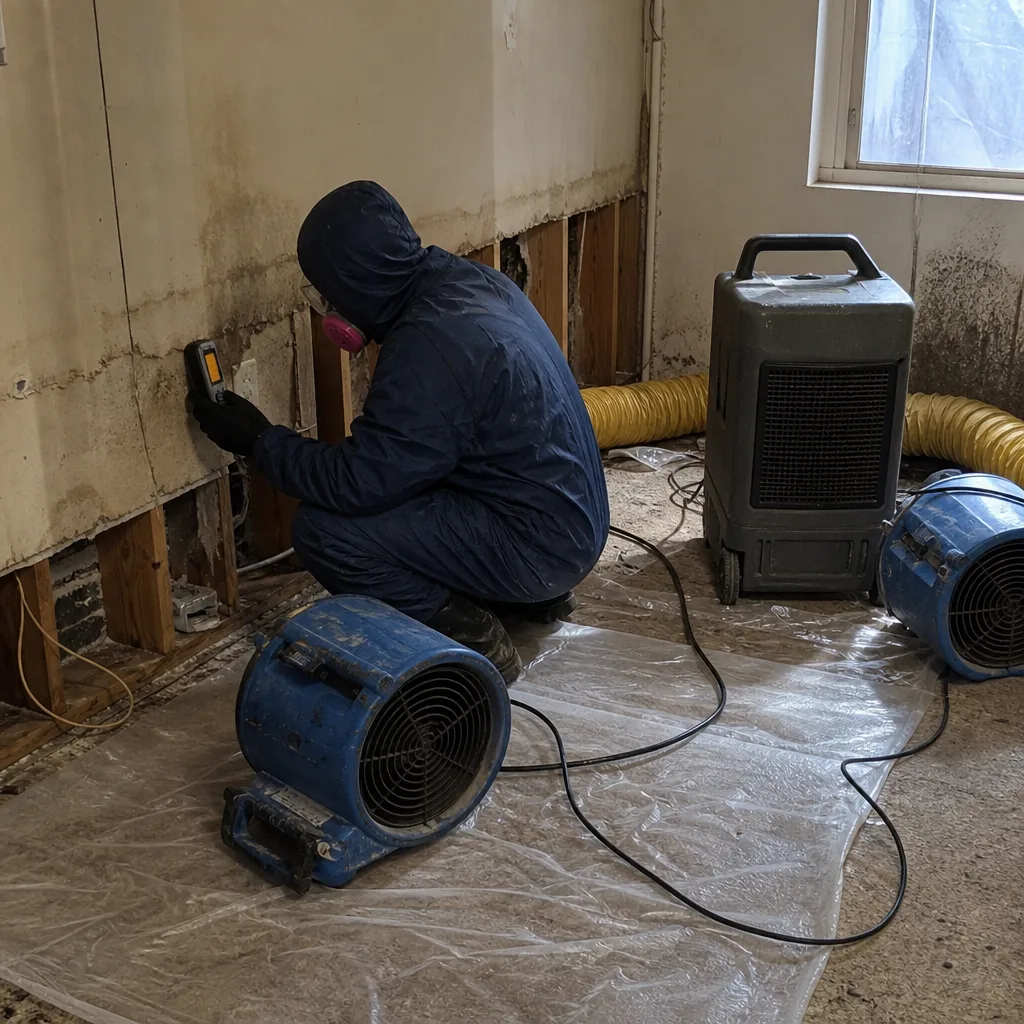 Before
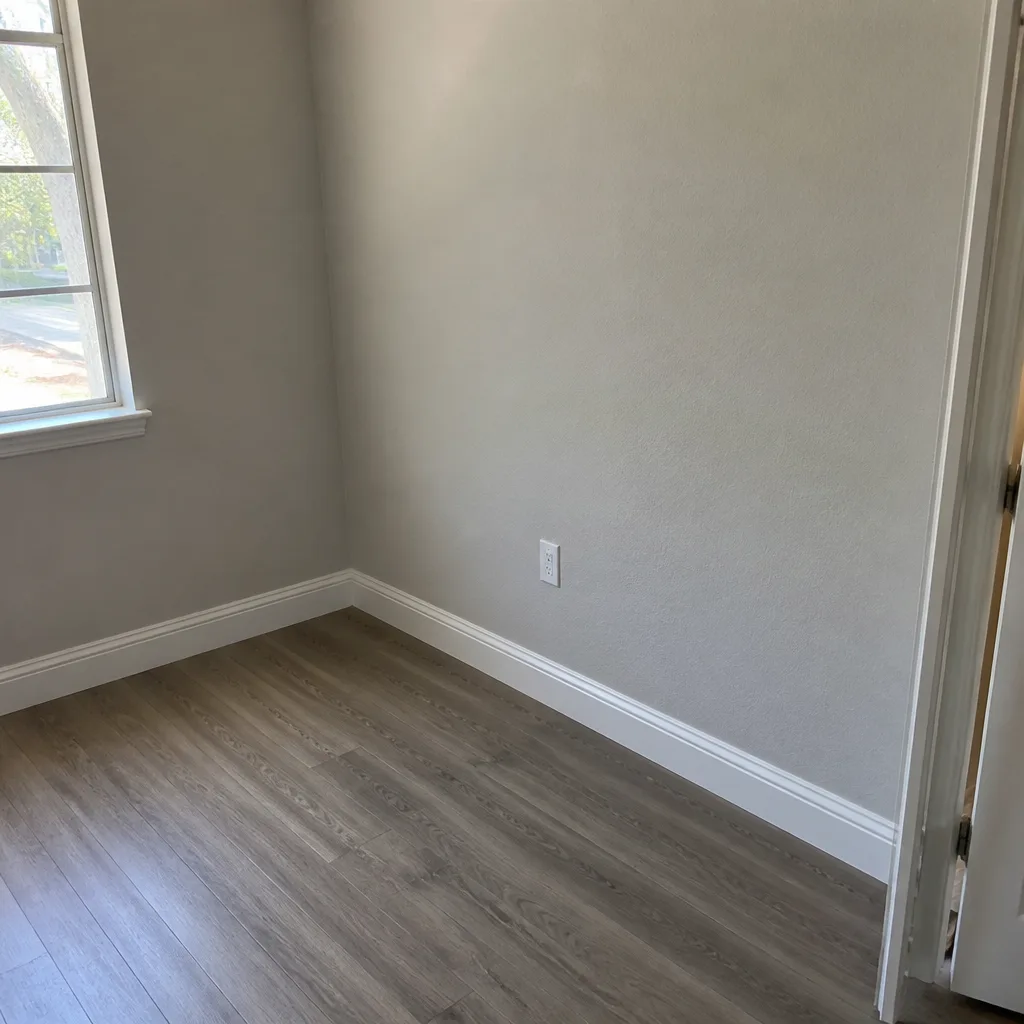 After
 Before
 After
 Before
 After