
Last updated October 30, 2026
 Water damage drying
 Fire & smoke cleanup
 Mold remediation
 Storm response
 Sewage cleanup
 Reconstruction
Free visual inspection and a written scope of work before any mitigation begins - photos, moisture readings, and drying logs go in your claim file
The scope we write is the scope we bill. Anything new gets shown to you, in writing, before we touch it.
Get your free estimateDamage Restoration Emergency Preparedness Guide for Sunrise Manor Homes
Here’s a number that reframes everything about home damage in Sunrise Manor: in a Category 2 water loss, mold colonization on gypsum board can begin in 24 to 48 hours inside a climate-controlled interior. Not weeks. Not days. Hours. That means the 90 minutes after a supply line bursts behind your wall or a water heater fails in the garage are the highest-leverage minutes in the entire restoration timeline. This guide is not about packing a go-bag or boarding windows. It’s about the decision sequence that determines whether you’re facing a $4,000 mitigation project or a $25,000 mold remediation and structural rebuild. If you live in Sunrise Manor, where slab foundations and tight lot drainage create predictable water patterns, this is the guide you’ll want printed and posted in your utility closet before anything ever goes wrong.
Quick Answer
The most important emergency preparedness step for a Sunrise Manor homeowner is knowing the exact order of operations for the first 90 minutes after water damage: shut off the water source, cut power to affected areas if water has reached outlets or appliances, photograph and video everything before moving a single item, and call a restoration crew certified to IICRC standards. Preparation is not about owning gear. It’s about having a written decision sequence and a restoration contact sheet taped to your water heater so that nobody in the household has to figure out what to do while standing in two inches of water.
Restoration work we handle
Table of Contents
- The Four Immediate Actions: A Sequence You Can Memorize
- Where Your Water Shutoff Lives in a Sunrise Manor Slab Home
- Documentation Before Disturbance: The Insurance Protocol That Protects Your Claim
- Pre-Event Preparation: Building Your Restoration Contact Sheet
- The Five Mistakes That Turn a Mitigation Into a Rebuild
- Extraction Priority Zones: Where Water Goes in a Slab Foundation
- Why the Equipment on the Truck Determines Whether Your Walls Survive
- Common Mistakes to Avoid
- When to Call a Professional
The Four Immediate Actions: A Sequence You Can Memorize
When water is moving through your Sunrise Manor home, your first instinct will be to start grabbing towels and moving furniture. That instinct is wrong in at least one specific way: moving things before documenting them can damage your insurance claim. Here is the sequence we recommend, in the order that matters.
- Stop the water at its source. If it’s a fixture-level leak, turn the shutoff valve at the fixture. If it’s a supply line break or you can’t identify the source, turn the main water valve. Time spent searching for the shutoff while water continues flowing is the single most expensive minute in this entire timeline.
- Cut power to the affected area. If water has reached electrical outlets, appliances, or anything plugged in, shut the circuit breaker for that zone. Do not walk through standing water to reach the breaker if the panel itself is in water. Call an electrician or your restoration team first.
- Photograph and video everything. Document before you move anything. This is the step most homeowners skip, and adjusters can tell when it was skipped. We cover the full protocol in the documentation section below.
- Begin extraction only in safe zones. If you have a wet/dry vacuum and the water is clean (Category 1 from a supply line, not sewage), you can start pulling water from hard surfaces. If the water is gray or black, leave it. The vacuum you pull sewage with becomes a contamination vector.
Print this sequence and laminate it. Tape it to the inside of your kitchen cabinet or your water heater access panel. When water is rising, you will not remember four steps from an article you read last spring. You will remember the list you’ve seen a hundred times on the cabinet door.
Where Your Water Shutoff Lives in a Sunrise Manor Slab Home
Most emergency guides say “know where your main water shutoff is” and then move on, as if every home has it in the same place. Sunrise Manor homes, many of them built from the 1970s through the 1990s, sit on slab foundations. That matters because there’s no basement with an obvious manifold, and no exposed plumbing running through an unfinished ceiling. The main shutoff on a slab home in Sunrise Manor lives in one of three places: the garage wall where the water line enters, an exterior alcove or utility box near the front hose bib, or, in older homes, buried in an irrigation access box near the sidewalk.
The best way to find yours before an emergency is to locate the water meter at the street and mentally trace a straight line from the meter to the house. The main valve is almost always on that line at the point where it enters the structure or just outside it. In our experience, Sunrise Manor homeowners who do this exercise once on a Saturday afternoon find valves they never knew existed: behind stored boxes in the garage, obscured by desert landscaping, or rusted into a partially closed position from years of neglect.
Here is what to do once you find it:
- Test-turn the valve a quarter turn and back. If it resists, don’t force it. A stuck valve that breaks while you’re trying to close it during an emergency is a second disaster. Replace stiff valves now.
- Label it with a bright tag. Write “MAIN WATER SHUTOFF” in permanent marker on a durable tag and zip-tie it to the valve handle.
- Show every adult in the household where it is. If you’re not home when a pipe bursts, the person who is home is the person who needs to know.
- Know your fixture-level shutoffs too. Every toilet has an angle stop behind it. Every sink has supply valves underneath. A toilet supply line that lets go can be stopped in three seconds if you know those valves exist.
One more Sunrise Manor-specific note: homes here and across the Las Vegas valley sit on caliche soil with high mineral content, which means hard water. Over years, that mineral load builds up inside supply lines and valves. If your home is 25 years old or more and still has original gate valves, they may not close fully even when turned. That’s a mechanical failure waiting to happen. A plumber can replace gate valves with ball valves, which use a quarter-turn ball mechanism that rarely seizes. Doing this before a loss is far cheaper than discovering a frozen valve while water pours through your ceiling.
Documentation Before Disturbance: The Insurance Protocol That Protects Your Claim
Here is a fact adjusters won’t say out loud but every restoration professional knows: the way you document damage in the first hour has a direct impact on how smoothly your claim processes. Insurance companies require evidence that the damage occurred as described, that the scope is what you say it is, and that nothing was altered before review. When homeowners start pulling up carpet and cutting drywall before photographing the scene, they don’t just complicate the claim. They give the adjuster legal reason to question whether the full scope of damage actually existed.
The documentation protocol that protects you happens in this order:
- Wide shots first. Stand in the doorway of each affected room and photograph the entire scene from multiple angles. These establish context: where the water is, how far it traveled, what was in the room.
- Mid-range shots second. Capture each affected area from four to six feet away. Show the water line on baseboards, the extent of standing water on the floor, the sagging drywall.
- Close-up shots third. Get tight on damage details: water stains, bubbling paint, wet carpet pad visible at the edge, swollen baseboards, electrical outlets that got wet.
- Video walkthrough next. Start outside the home and narrate as you walk: “It’s 3:15 PM on Tuesday, supply line broke in the upstairs bathroom, water is running down the hallway, you can see the ceiling is saturated in this corner.” Narration timestamps the video and establishes sequence.
- Document the source. Photograph the failed pipe, the water heater, the appliance, the roof penetration, whatever started it. Also photograph your water shutoff position after you close it. This proves the source was addressed.
- Photograph before any removal. If emergency extraction or cutting happens, every single cut and every single bag of removed material needs a “before” photo first. Do not dispose of removed material until your adjuster or restoration professional reviews it.
Most homeowners start at step three. They photograph the water stain. That sequence error is exactly what this guide exists to prevent. Keep this list posted next to your water shutoff. In an emergency, follow it in order. Your adjuster will notice the difference.
Pre-Event Preparation: Building Your Restoration Contact Sheet
Preparation for a water damage event in Sunrise Manor does not mean buying a stack of towels and a fan. It means making a contact sheet and understanding your insurance policy before water ever enters your home. Here is what belongs on your restoration contact sheet.
Your insurance carrier’s 24-hour claims line. Every policy has a prompt notification clause, which means you are contractually required to report damage in a timely manner. “Prompt” is not defined as “next week.” If you wait and secondary damage occurs, the carrier can argue it was your delay that caused it. Put the claims number in your phone contacts. Write it on the sheet. And understand that your insurance policy is a legal contract, not a brochure. It defines what is covered, what your deductible is, and what your notification obligations are. Know your deductible before a disaster, not during one.
Your restoration company’s number. You want a company that does water damage restoration in Sunrise Manor with certified technicians and professional-grade equipment. The restoration company is not just the crew that shows up. A credentialed company documents the loss in a way that speaks your adjuster’s language, and that documentation is part of what moves your claim forward. Restoration crews are on site before, during, and after the insurance adjuster visit. Their photos, moisture readings, and scope descriptions are evidence in your file.
Your plumber’s number. Restoration companies do not repair supply lines or water heaters. They remediate damage. You need a licensed plumber to stop the leak and repair the source, and you want that plumber’s number on your sheet before you need it at 9 PM on a Sunday.
Your electrician’s number. If water reached your panel, your outlets, or your appliances, you may need an electrical safety assessment before power is restored. Again: this number is better stored before the event.
Policy details. Your deductible amount, your policy number, your coverages and exclusions, and whether you have water backup coverage or just standard covered perils. Write these down in plain language on the sheet itself. In an emergency, you will not remember what your policy says. You will want to read it off a laminated card while standing in your wet living room.
If you want to make your contact sheet genuinely useful, tape it to the inside of your utility closet door or next to your electrical panel. The contact sheet is not a document for your filing cabinet. It is a rescue guide for the worst hour of your homeownership.
The Five Mistakes That Turn a Mitigation Into a Rebuild
In our experience responding to water damage across Sunrise Manor, there is a repeating pattern: the homeowners who act decisively with the right knowledge typically face a mitigation. The ones who improvise with well-meaning but incorrect actions face a remediation and rebuild. The difference is not luck. It’s whether they made one of these five mistakes.
- Running the HVAC system to dry things out. This seems logical. It is not. Running your central air during a water event pulls moisture through your ductwork and distributes it through rooms that were never wet. That spreads the problem. Unless your HVAC system is a dedicated drying system designed for restoration, it is not a drying tool.
- Using fans on sewage-contaminated water. If the water came from a toilet, a sewer line, or a drain backing up, that is Category 3 water: it contains pathogens. A fan aimed at sewage water aerosolizes the contamination into your living space. You are not drying anything. You are distributing bacteria and viral material through the air.
- Disposing of damaged materials before the adjuster reviews them. You pulled up the carpet. You cut out the wet drywall. You put it all in contractor bags on the curb for trash pickup. Then the adjuster arrives on Thursday and asks to see the damaged materials to verify the scope. They are gone. Now the claim becomes a negotiation about what existed, and the adjuster’s default position is the lower total. This is the most expensive mistake homeowners make, in terms of claim dollars lost.
- Waiting to see if it dries on its own. Water in wall cavities, under cabinets, and inside a slab home’s base plate does not evaporate naturally in the Las Vegas climate unless it is actively dried. The Northeast Clark County heat does not fix water damage. It just warms the water while mold colonizes the gypsum board behind your baseboards. The clock referenced at the top of this guide (24 to 48 hours to visible colonization) is not a worst-case scenario. It is the biological reality of damp drywall in a climate-controlled home.
- Treating all water damage as if a shop vac is sufficient. A wet/dry vacuum removes standing water from the floor surface. It does not address water inside wall cavities, under tile, under the subfloor, or soaked into the baseboard and drywall. If the water traveled beyond what you can see or the vacuum can reach, you have hidden moisture that is actively causing damage you cannot yet observe.
Avoid these five specific actions, and your insurance claim stays straightforward. Your risk of secondary damage drops dramatically. And your home’s recovery timeline shortens from weeks to days.
Extraction Priority Zones: Where Water Goes in a Slab Foundation
Sunrise Manor’s homes share a structural trait that determines how water moves during a loss: the majority sit on concrete slab foundations. When water hits a slab floor, it does not drain downward through a basement. It pools on the concrete and then migrates laterally along channels of least resistance: under baseboards, into wall cavities, into door frames, and under cabinetry. Understanding that movement pattern helps you prioritize extraction.
Zone One: The visible standing water. This is what everyone photographs and vacuums. It matters, but it is only the surface of the problem. On a slab home, the visible water is often 30% or less of the total water volume in the structure.
Zone Two: Baseboard and wall cavity contact. Water that reaches the baseboards wicks upward through the drywall by capillary action. On a Sunrise Manor slab home, the bottom six to twelve inches of drywall can be saturated while the wall surface still feels dry to the touch. This is exactly the zone where Injectidry technology matters: it lets a restoration team push positive-pressure dry air into wall cavities through small access points, reaching the moisture without tearing the wall open. We dry the structure, not just the surface. That’s not a slogan. It’s the difference between removing baseboards and removing entire wall assemblies.
Zone Three: Under slab-adjacent finished flooring. Tile and vinyl plank look impervious. They are not. Water passes through grout lines, seams, and floor transitions, then sits underneath the finished surface, trapped against the concrete. This pocket of moisture can damage the flooring bond, warp luxury vinyl, and create the conditions for mold under the surface you walk on. This zone requires professional moisture mapping: thermal imaging to locate the wet areas and penetrating moisture meters to quantify saturation.
Zone Four: Cabinetry, vanities, and built-ins. Kitchen and bathroom cabinetry sits directly on the slab, with the toe kick often behaving like a wick. Water that reaches under cabinets is hard to access without either pulling the toe kick or drilling small access points for targeted drying. This is another area where the difference between surface drying and structural drying is measured in thousands of dollars of cabinetry replacement.
If you’re doing emergency extraction before a professional crew arrives, your vacuum should target Zone One: the visible water. But you should call someone who can locate and dry Zones Two through Four. Surface-level drying is not restoration. It is just moving water around a slab.
Why the Equipment on the Truck Determines Whether Your Walls Survive
Here is a question most homeowners never think to ask before hiring a restoration crew: what equipment is on the truck? It matters more than almost anything else. The difference between a consumer-grade fan from a hardware store and the commercial restoration systems used by certified firms is not just power. It is whether the drying approach reaches the water that is actually causing damage.
Professional restoration in Sunrise Manor homes should involve equipment that is engineered for the physics of structural drying, not air movement for comfort. We operate a fleet that includes Dri-Eaz, Phoenix, XPOWER, B-Air, and Injectidry systems: brands that large commercial restoration firms deploy on real job sites, not rental-store units designed for weekend use. The distinction is consequential.
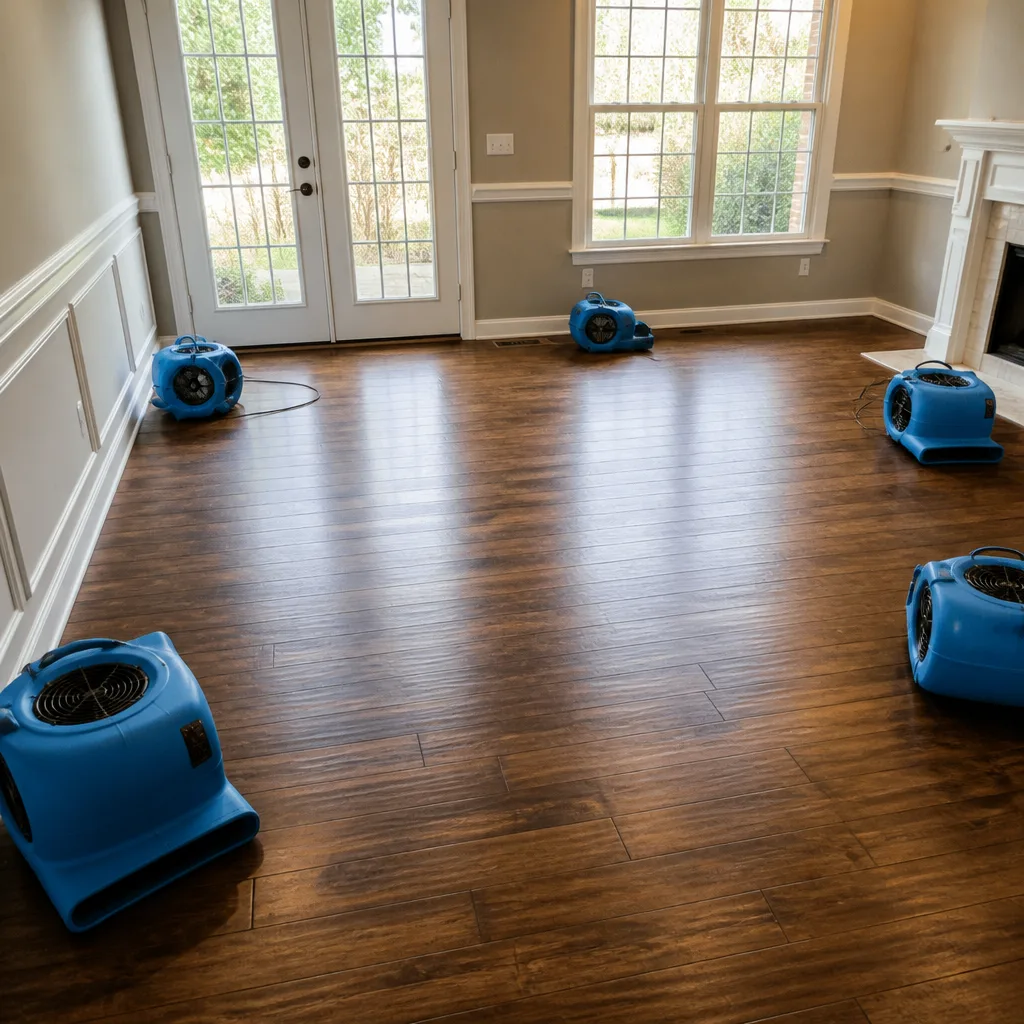
- High-volume air movers create the airflow that lifts moisture off surfaces and keeps it suspended for dehumidification. Consumer fans move air. Professional air movers move enough air to change the drying equation in a structural cavity.
- Low-grain refrigerant dehumidifiers pull water out of the air. In the Las Vegas desert, people assume the air already pulls moisture. But inside a sealed, water-soaked structure, the air near walls and under floors becomes saturated. A proper dehumidifier drives the vapor pressure differential that draws moisture out of materials.
- Injectidry drying systems push air through small, targeted access points into wall cavities and under subfloors. This is the technology that lets us dry inside walls without tearing them open. In a Sunrise Manor slab home, that’s the difference between a week of drying with minimal demo and a multi-week rebuild with walls removed to the studs.
This is not a pitch for gear. It is an explanation of why the same water event produces vastly different outcomes depending on the truck that shows up. When a Sunrise Manor homeowner asks us what separates professional restoration from a handyman with a fan, the answer is equipment, certification, and the knowledge to know where the water actually is. None of those can be faked by a guy with a shop vac and an air mover from the rental counter.
Common Mistakes to Avoid
- Calling a general handyman instead of a certified restoration crew. A handyman may be able to pull wet carpet. A general contractor is not trained to the standards that get difficult water losses fully dried. Mold remediation in Sunrise Manor requires certification and containment protocols that most generalists do not carry.
- Ignoring moisture you cannot see. If the wall feels dry on the surface, that does not mean the cavity behind it is dry. Moisture meters and thermal imaging locate hidden water. Surface dryness is not structural dryness.
- Not reporting the loss to insurance promptly. The prompt notification clause in your policy is a real contractual obligation. Delaying the report can turn a straightforward covered loss into a dispute. Call the claims line the same day.
- Using bleach on mold or water stains. Bleach does not kill mold on porous surfaces like drywall. It can make the problem worse by adding moisture to the material you are trying to remediate. Leave this to a certified mold remediation crew.
- Renting equipment without knowing the math. A rental dehumidifier and a couple of fans are not a drying system. Professional drying requires calculating cubic feet, material saturation, and air changes. Guessing at the math usually extends the drying time and leaves hidden moisture behind.
- Assuming all water is the same. Clean supply line water, washing machine overflow, and sewage backup require completely different responses. The same actions that are correct for Category 1 water are actively dangerous for Category 3. Know what you are dealing with before you touch it.
- Talking to only one contractor before signing a scope. You are not required to use the first restoration company that shows up. A written scope before work starts protects you, and a fire damage restoration in Sunrise Manor company or water restoration firm that refuses to provide a written scope is not acting in your interest.
When to Call a Professional
Some water events are small enough to handle without professional help—our DIY vs Professional Damage Restoration: The Sunrise Manor Homeowner’s Decision Guide breaks this down in detail—but those cases are rare. Here are the scenarios where you should call a certified restoration crew immediately: water that penetrated walls or baseboards, water that reached flooring materials, water from a sewage source, water that sat for more than a few hours, water that came through the ceiling, or any water event where electrical systems may have been exposed. If you can answer yes to any of those, the clock is already running on secondary damage. We are certified to IICRC standards, and that credential exists to validate that the crew you hire is trained to the same standard regardless of which company name is on the truck. Ashworth Water Damage offers free estimates in Sunrise Manor. Call (833) 734-7202 for an exact quote.
See the difference
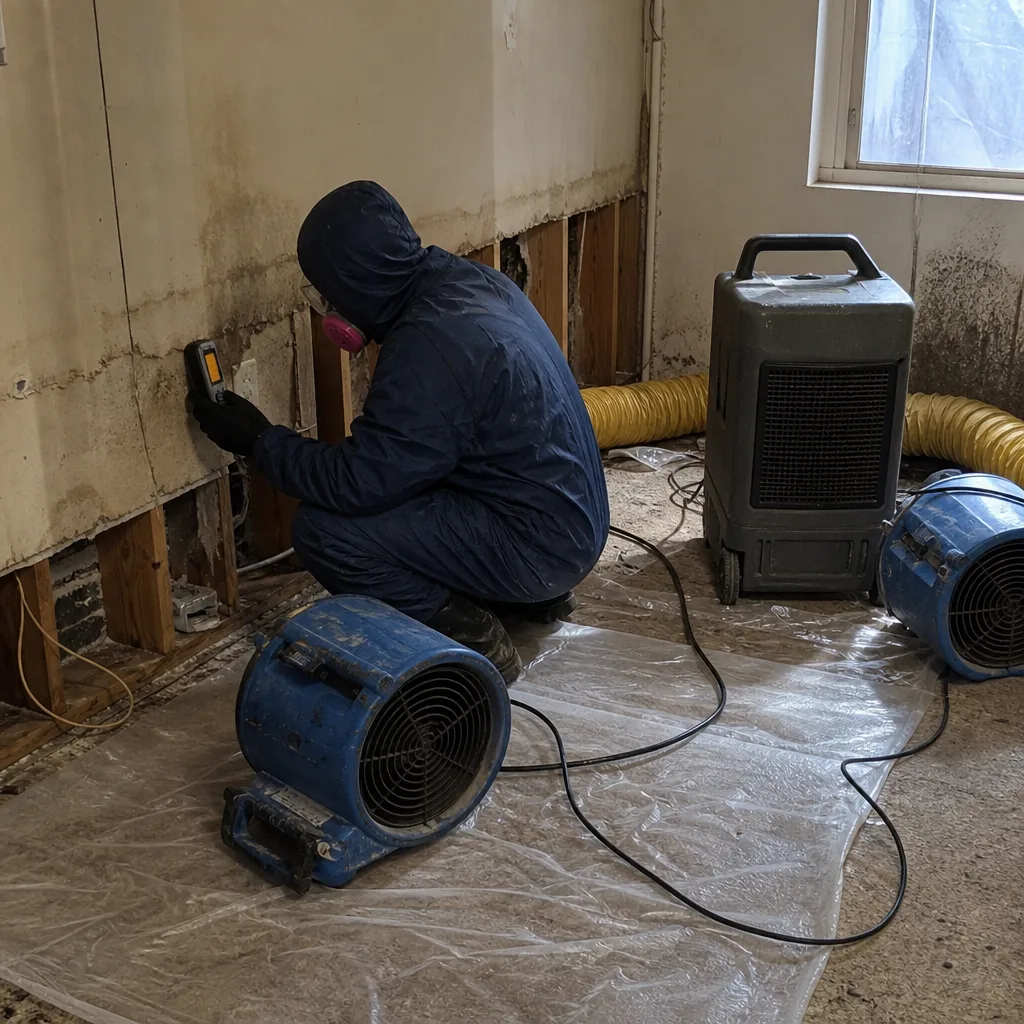 Before
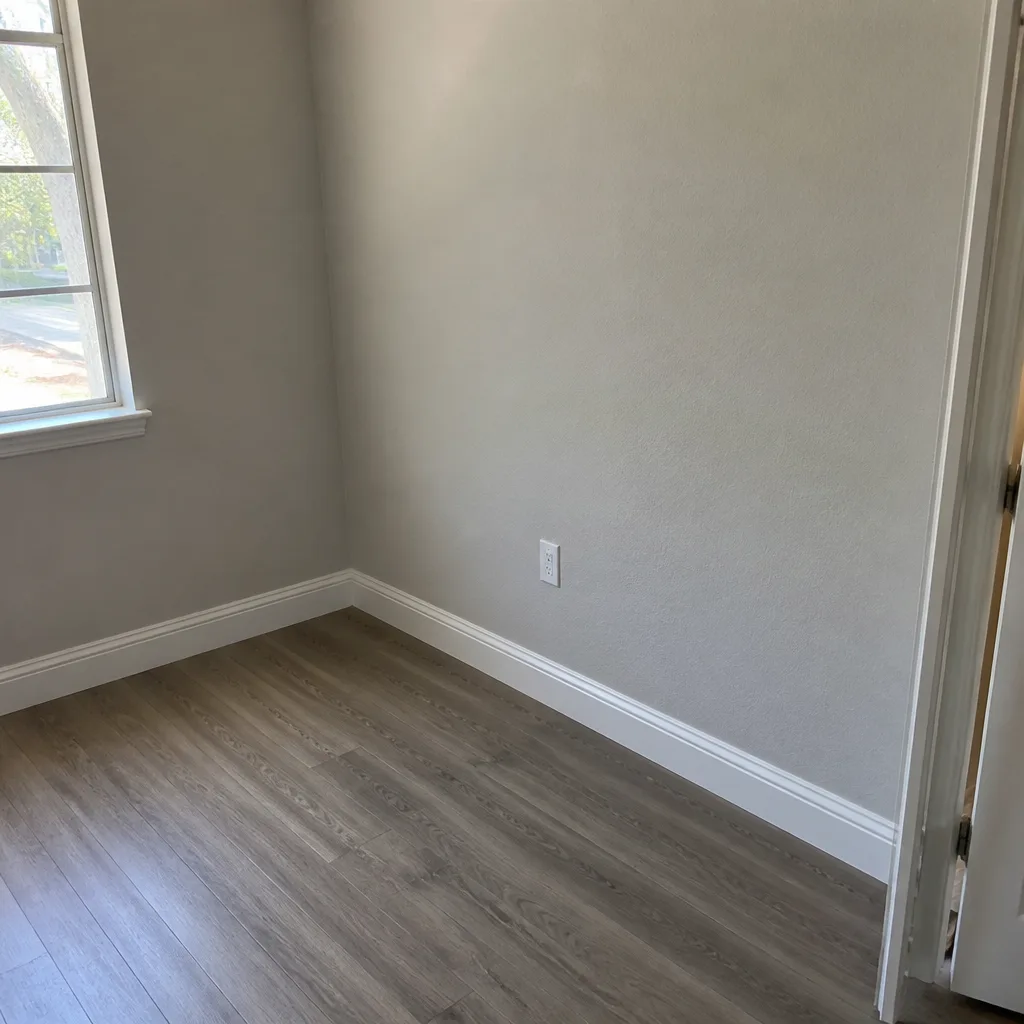 After
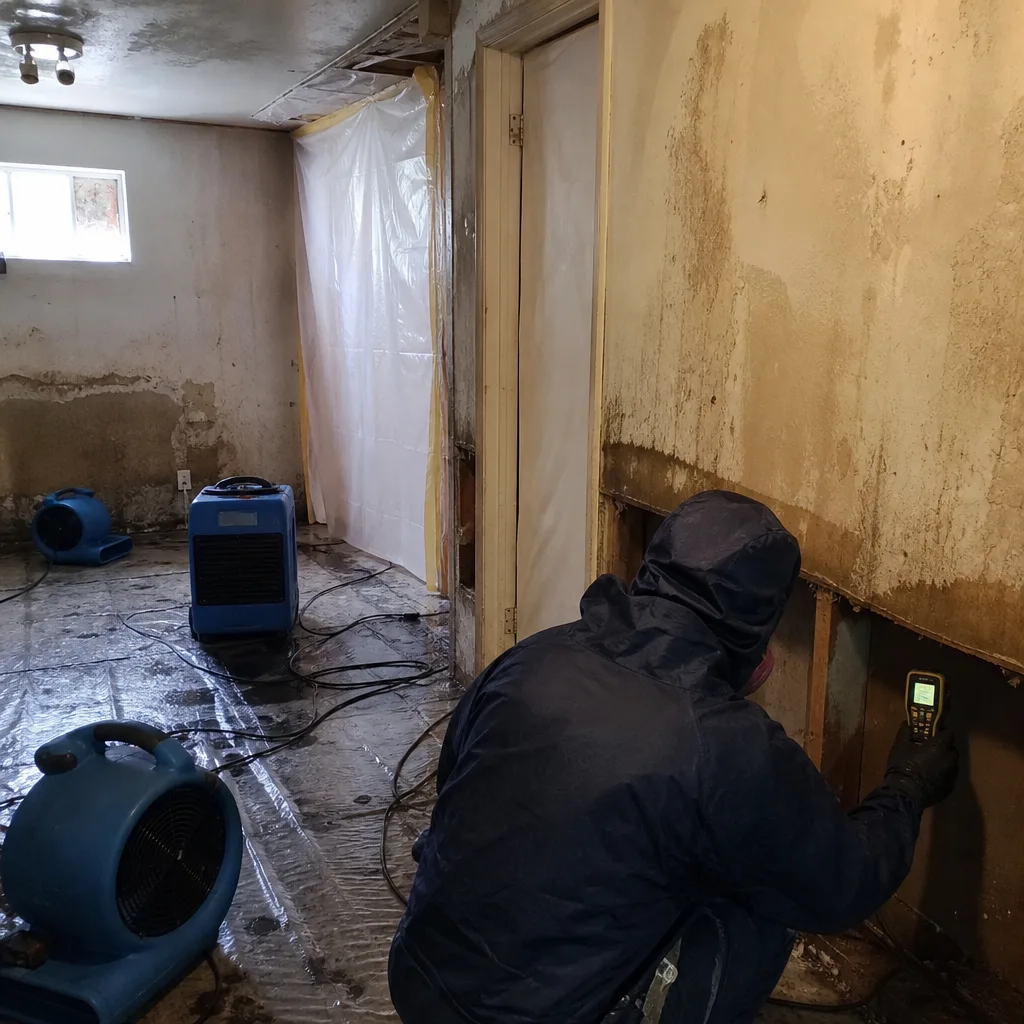 Before
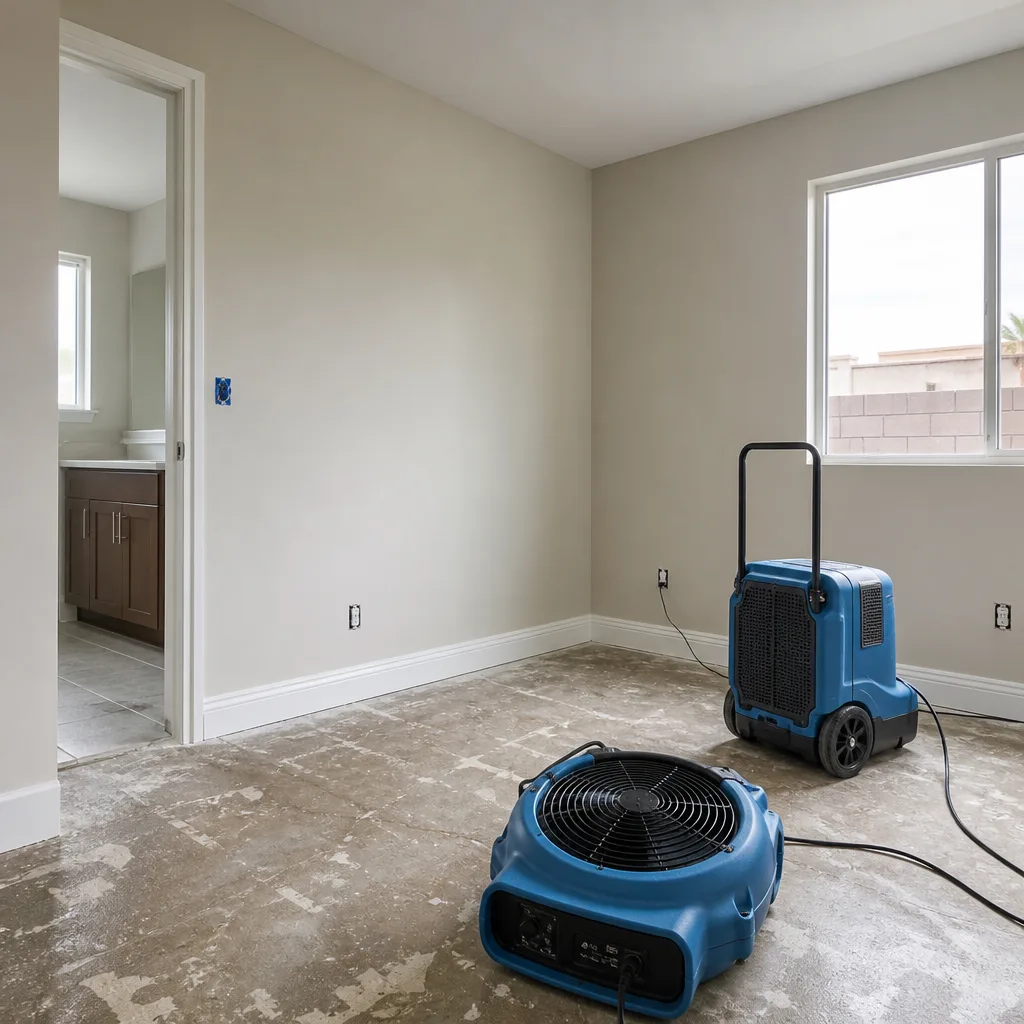 After
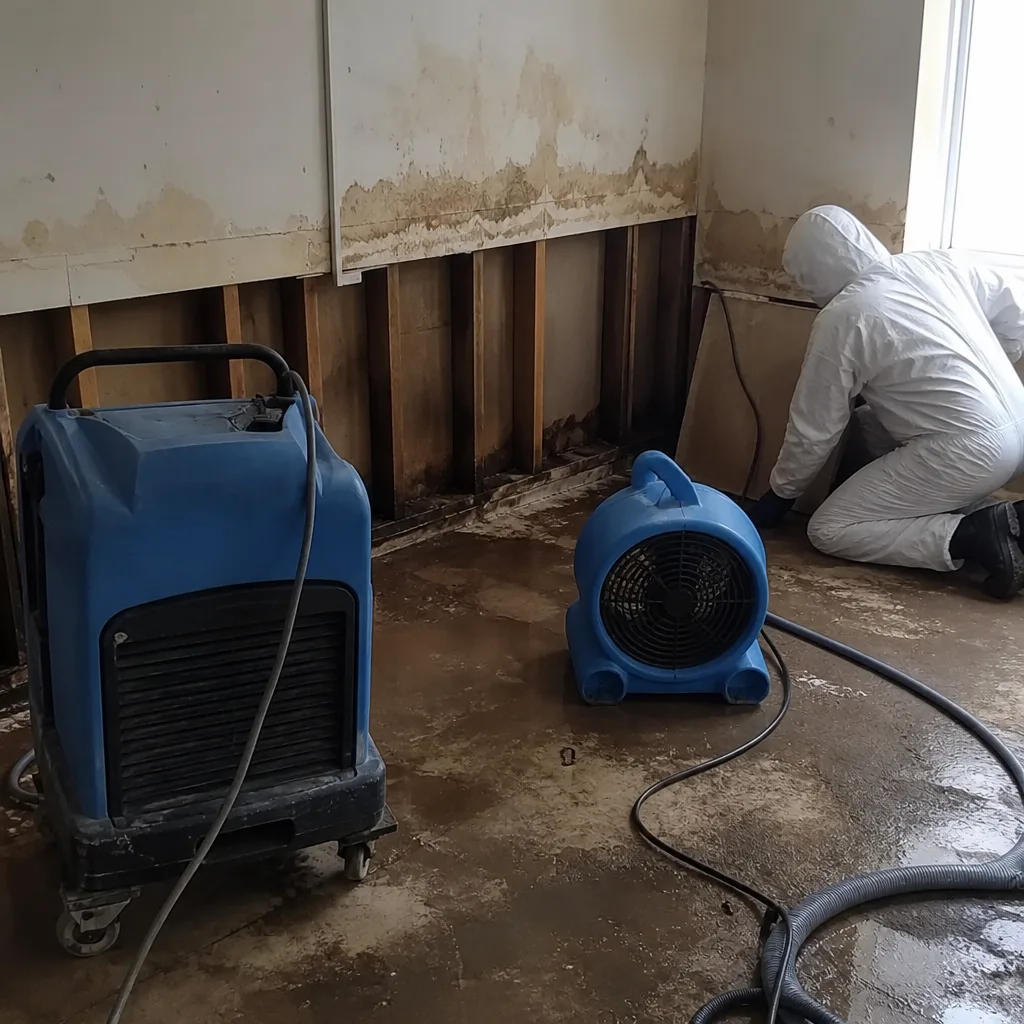 Before
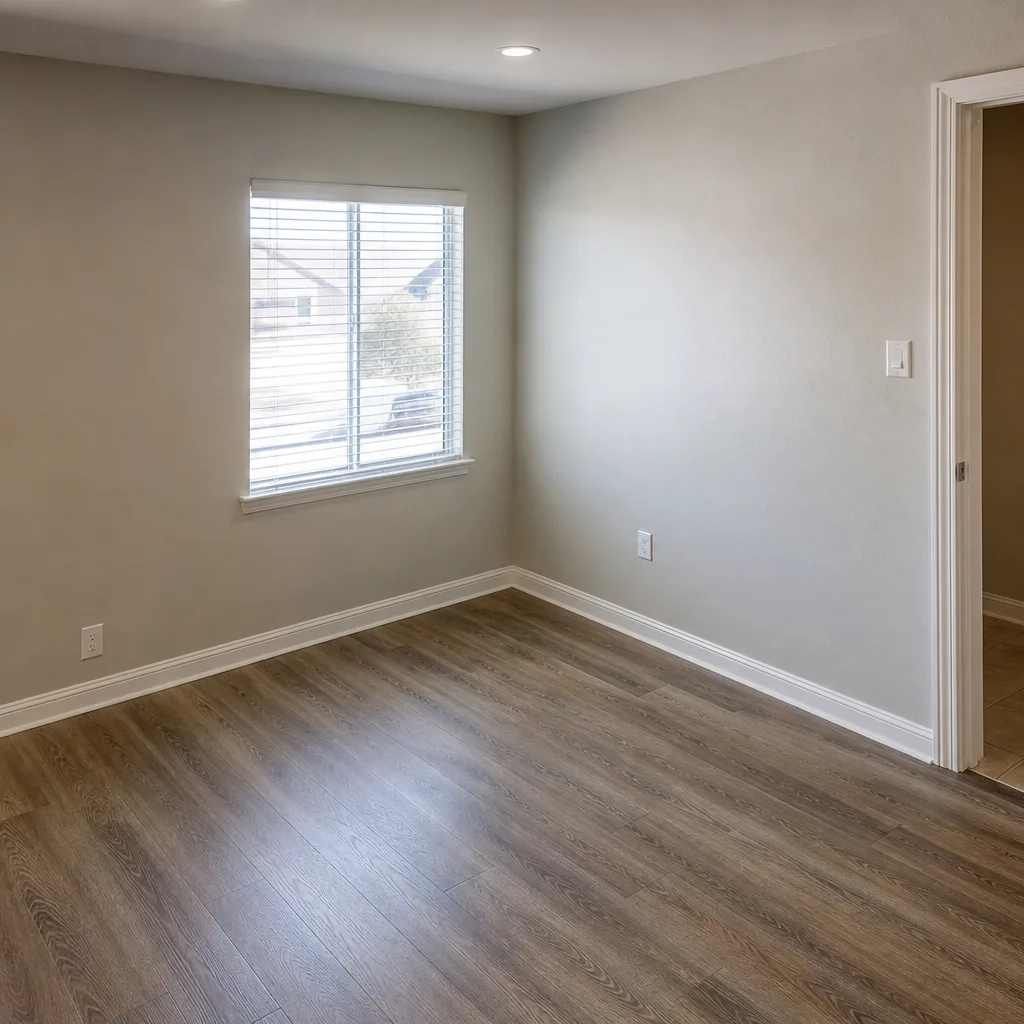 After
Frequently Asked Questions
Mold colonization on gypsum board can begin in as little as 24 to 48 hours after water exposure in a climate-controlled interior, which is exactly what most Sunrise Manor homes are from May through October. That means the window between a clean water event and the start of a secondary mold problem is narrower than most homeowners assume. The correct response is not to wait and watch. It is to extract water, begin structural drying, and monitor moisture levels. If you are within that 48-hour window and the water has touched drywall, call (833) 734-7202 for an assessment.
Shut off the water source, cut power to affected areas if water has reached electrical systems, photograph and video everything before moving anything, and begin extraction only if the water is clean and you have the right equipment. The full sequence is covered in the section above. The most important thing is to stop the water first and document second. Everything else can wait for a professional crew to arrive.
Most homeowner policies cover sudden and accidental water damage from events like burst pipes, appliance failures, and some roof leaks. They generally do not cover gradual leaks that have been ongoing, which is a common dispute in Sunrise Manor homes where slab leaks and slow pipe failures are recurrent. The fastest way to find out what your policy covers is to call the claims number on your policy and ask specific questions, or review our Damage Restoration Permits, Codes & Inspections in NV: What You Need to Know. Then bring in a restoration professional who can document the damage in a way your adjuster will accept. We deal directly with adjusters on a regular basis, and that coordination is part of what we do.
If the water is clean, the affected area is small, no walls or cabinetry are involved, and you have professional-grade equipment, you may be able to handle surface-level drying yourself. If the water has entered wall cavities, under flooring, or behind baseboards, the answer is no. Consumer equipment cannot reach the moisture that is actually causing structural damage in those zones. In our experience, most Sunrise Manor water events that reach walls or floors require equipment like Injectidry systems and high-volume air movers to actually dry the structure. The risk of doing it yourself is hidden moisture that turns into mold in the weeks after the water event.
Yes. A fire event in a Sunrise Manor home produces water damage from fire suppression, soot contamination, and smoke intrusion, all of which require different protocols than a clean water leak. Ashworth Water Damage home services cover water, mold, and fire under one company, which means you do not have to coordinate between a water crew, a mold contractor, and a fire restoration vendor. After a fire, the first call should still include your insurance carrier, then a certified restoration company that can secure the property and begin the damage documentation.
Ask for certifications. Look for IICRC certification, which is the restoration industry’s most recognized independent credentialing body, and membership in professional organizations like RIA, the Restoration Industry Association. A qualified company should be able to name the equipment it uses, explain where the moisture is, and provide a written scope before work starts. Qualifications that cannot be verified or a contractor who refuses to explain their process in plain language are red flags. We hold IICRC and RIA credentials and will walk you through our drying plan before we start work.
The Bottom Line
The difference between a $4,000 mitigation and a $25,000 remediation is most often determined in the first 90 minutes after water damage in a Sunrise Manor home. Know where your main shutoff is. Have a restoration contact sheet posted where everyone in the household can find it. Photograph everything before you disturb anything. And understand that professional equipment, not effort, is what dries a structure. Preparation is not about buying gear. It is about knowing the decision sequence before the water comes, so that when it does, you are not deciding anything under stress. You are just following the list.
Written by the team at Ashworth Water Damage, serving Sunrise Manor since 2018.