Last updated October 30, 2026
 Water damage drying
 Fire & smoke cleanup
 Mold remediation
 Storm response
 Sewage cleanup
 Reconstruction
Free visual inspection and a written scope of work before any mitigation begins - photos, moisture readings, and drying logs go in your claim file
The scope we write is the scope we bill. Anything new gets shown to you, in writing, before we touch it.
Get your free estimateDIY vs Professional Damage Restoration: The Sunrise Manor Homeowner’s Decision Guide
A box-store dehumidifier removes 30 to 50 pints of water per day under ideal conditions. A professional low-grain refrigerant (LGR) unit deployed by a restoration crew removes 150 to 200 pints under those same conditions. That gap, not effort or intention, is what determines whether a Sunrise Manor home develops secondary mold damage behind the baseboards or dries clean. This guide maps the line between what a determined homeowner can handle with rented gear and what requires the equipment and certification of a professional restoration company. You’ll learn how to identify your damage category, what Nevada insurers expect from you, and where DIY attempts most commonly turn a three-day dry-out into a three-week remediation.
Restoration work we handle
Quick Answer
DIY restoration makes sense for small, clean-water spills caught within hours on non-porous surfaces. Professional restoration is necessary when water has penetrated drywall, flooring, or wall cavities, when the water is contaminated, or when the affected area exceeds roughly 15 square feet, because consumer equipment cannot remove moisture fast enough to prevent mold growth in Sunrise Manor’s summer humidity conditions.
Table of Contents
- The Equipment Gap: What Pro Gear Does That Rentals Can’t
- Three Scenarios Where DIY Works
- Three Scenarios Where DIY Creates Liability and Health Risk
- Understanding IICRC Water Categories and Classes
- Nevada Insurance Policy Language: What Voids Coverage
- The Real Cost Comparison: DIY Then Fix vs. Professional From Day One
- Structural Drying: Why Surface-Dry Is Not Dry
- Common Mistakes to Avoid
- When to Call a Professional
- Frequently Asked Questions
- The Bottom Line
The Equipment Gap: What Pro Gear Does That Rentals Can’t
The core difference between a DIY attempt and professional water damage restoration in Sunrise Manor comes down to physics. Water doesn’t just sit on surfaces. It wicks into drywall, travels along framing, and settles into subfloor cavities. Removing it requires moving enough air across enough surface area fast enough to pull moisture out before mold gets a foothold, which in Clark County’s climate typically means 24 to 48 hours.
Low-Grain Refrigerant (LGR) Dehumidifiers
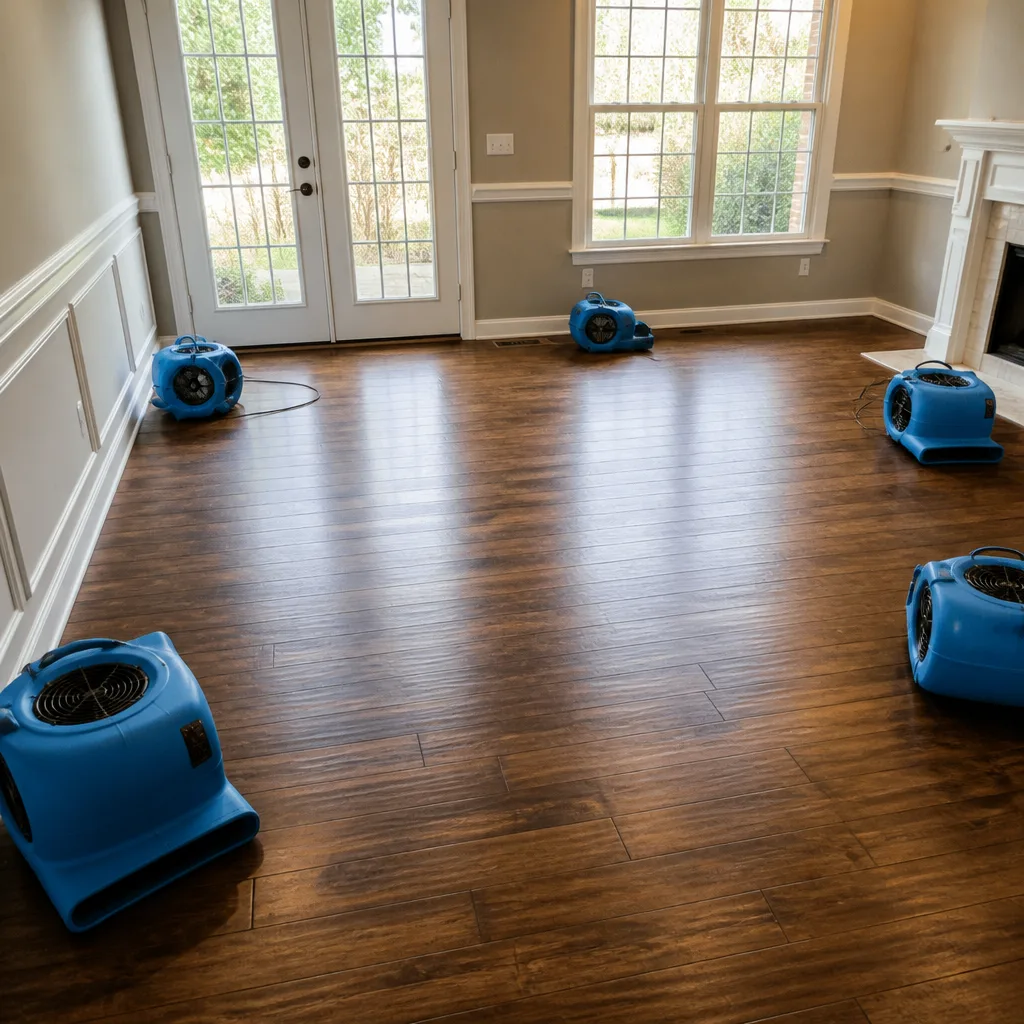
Consumer dehumidifiers pull 30 to 50 pints per day at 80°F and 60% relative humidity. The LGR units we run, brands like Dri-Eaz and Phoenix, pull 150 to 200 pints under those same conditions. More importantly, LGR units keep working efficiently as the air gets drier. A box-store unit’s output drops sharply below 50% relative humidity. An LGR unit keeps pulling moisture down to 30% and below, which is where actual structural drying happens.
Axial Air Movers
A household fan moves air, but it doesn’t create the focused, laminar airflow that drives moisture out of carpet padding, under cabinets, and across concrete slab. Professional axial air movers direct high-velocity air in a controlled pattern. We calculate how many air movers a room needs based on square footage and moisture load. Too few and drying stalls. Too many and you risk aerosolizing contaminants.
Thermal Imaging and Moisture Meters
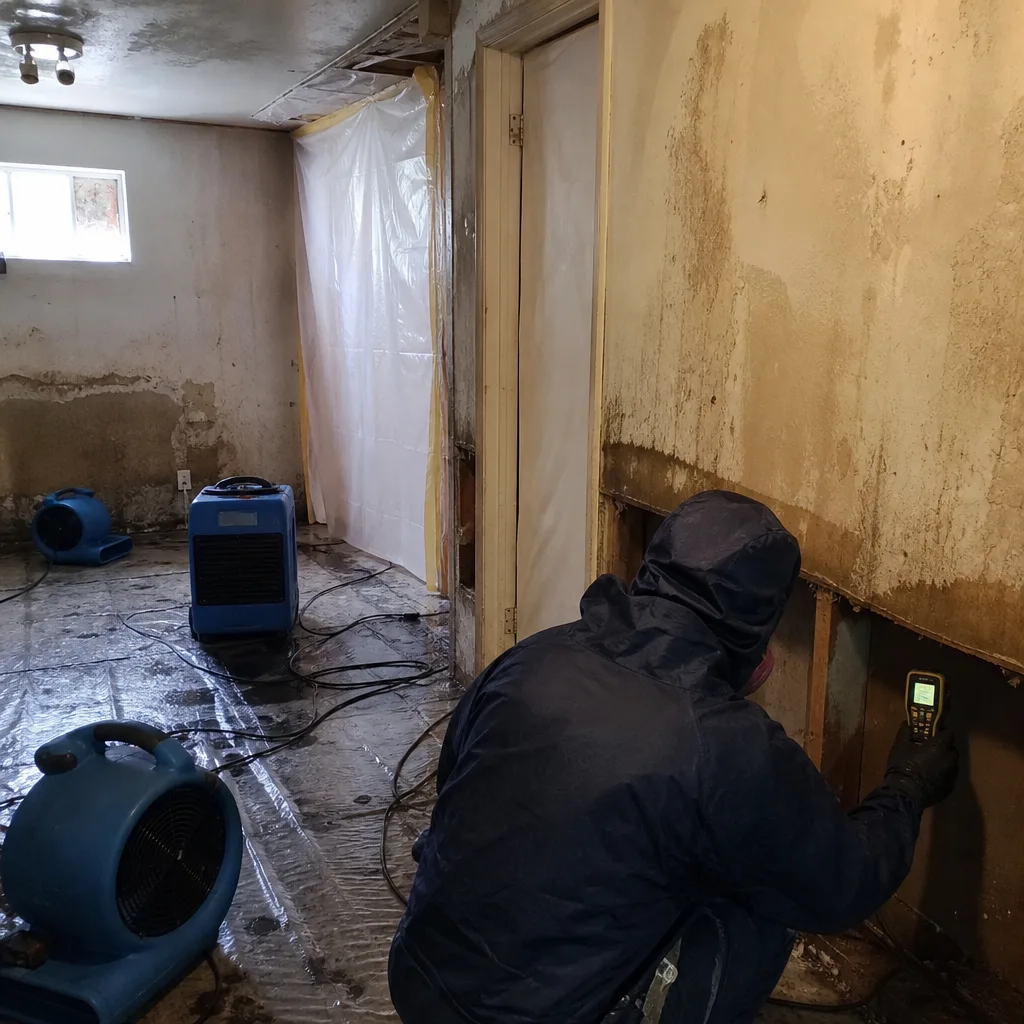
This is the piece consumer equipment cannot replicate. A rental fan dries what you can see. A thermal camera shows where the water went. In Sunrise Manor homes built on slab foundations, water travels under base plates and into wall cavities quickly. Without thermal imaging and penetrating moisture meters, you’re guessing. In our experience, the most common DIY failure isn’t effort. It’s the homeowner declaring victory when the surface feels dry while the wall cavity behind it is still at 25% moisture content.
Three Scenarios Where DIY Works
DIY restoration is genuinely appropriate in narrow, specific circumstances. These are the three we tell friends and neighbors in Sunrise Manor they can handle without calling us.
- Small clean-water spills caught immediately. A glass of water knocked onto a tile floor. A dog bowl tipped over on vinyl plank. If you can wipe it up with towels within an hour and the surface is non-porous, you don’t need a restoration company. The water never had time to penetrate.
- Appliance overflow on tile with no adjacent drywall. A washing machine that leaked a few gallons onto a tile laundry room floor, with no water reaching the walls. Extract what you can, run a fan, and monitor. Tile and grout will dry on their own. The key qualifier: no water touched drywall or baseboards.
- Exterior roof leak caught during the rain with a bucket. If you catch a roof leak during the storm, contain it, and the affected area is small enough to dry with a single fan, you can manage it. But this only holds if you verify the water didn’t run down the wall cavity. Water follows gravity and framing. What you see is rarely all there is.
The common thread in all three: the water never penetrated porous building materials, and the total affected area is under 15 square feet. Go beyond either threshold and you need equipment that moves air and pulls moisture at commercial volumes.
Three Scenarios Where DIY Creates Liability and Health Risk
These are the situations where attempting DIY restoration actively works against you.
- Sewage backups or toilet overflows. This is Category 3 water by IICRC standards: heavily contaminated with bacteria, viruses, and parasites. It requires full containment, antimicrobial treatment, and proper disposal of affected porous materials. A homeowner without PPE, containment barriers, and proper training is exposing their household to pathogens. This is also the scenario where insurers most frequently deny claims if homeowner handling made the contamination worse.
- Water in wall cavities or under flooring. If you can see water stains on baseboards, if water was standing for more than a few hours, or if you heard water running behind a wall, the damage has extended beyond what rental equipment can address. You don’t know how far it traveled. We see this routinely in Sunrise Manor: a supply line bursts behind a kitchen cabinet, the homeowner runs three box fans for a week, and then calls us six months later when the baseboard starts turning black. By then the fix is mold remediation in Sunrise Manor, not drying.
- Post-fire water damage. Fire damage restoration always involves water. The fire department used hundreds or thousands of gallons to suppress the fire. That water saturates framing, insulation, and drywall, and it’s mixed with soot, char, and chemical residues. Attempting to dry this yourself without proper cleaning first seals contaminants into the structure. Fire damage restoration in Sunrise Manor requires coordinated water extraction, soot removal, and structural drying. Skipping any one of these creates a home that tests clean on the surface and harbors problems underneath.
Understanding IICRC Water Categories and Classes
The IICRC S500 is the restoration industry’s authoritative standard for water damage. It classifies water into three categories and four classes. Knowing your category before deciding who handles the work is the single most important diagnostic step.
Water Categories
- Category 1: Clean water. From a broken supply line, a faucet, or a water heater. It’s potable at the source. But Category 1 degrades to Category 2 within 48 to 72 hours in warm conditions, and faster in Sunrise Manor’s summer heat.
- Category 2: Gray water. Contains significant contamination. Washing machine discharge, dishwasher overflow, or clean water that sat for days. It can cause discomfort or illness on contact.
- Category 3: Black water. Grossly contaminated. Sewage backups, floodwater from outside, or any water that sat long enough to support microbial growth. Category 3 requires full containment, proper PPE, and controlled disposal. No homeowner should attempt Category 3 mitigation themselves.
Water Classes
- Class 1: Minimal absorption. Small area, low-porosity materials. This is where DIY can work.
- Class 2: Significant absorption into carpet, cushion, and lower wall portions. Evaporative load is high. DIY equipment struggles here.
- Class 3: Water came from above, saturating ceilings, walls, insulation, and flooring. This is a professional job, full stop.
- Class 4: Deep saturation of hardwood, plaster, brick, concrete. Requires specialty drying including desiccant or Injectidry systems. No consumer or rental equipment comes close.
The framework exists to standardize restoration decisions. Insurance adjusters reference these categories when evaluating claims. Knowing whether your loss is Category 1 Class 1 or Category 2 Class 3 tells you immediately whether a mop and a fan are adequate or whether you need certified technicians on site.
Nevada Insurance Policy Language: What Voids Coverage
Nevada homeowners insurance policies contain a standard clause that most people never read until they need it. The “reasonable protective action” clause requires you to take steps to prevent further damage after a loss. It does not authorize you to perform the restoration yourself, and it does not protect you if your mitigation attempts make the damage worse.
What Counts as Reasonable Protective Action
- Shutting off the water at the main or fixture shut-off valve
- Removing standing water with a wet vacuum or towels where it’s safe to do so
- Moving furniture and personal property out of the affected area
- Taking photos and videos of the damage before anything is disturbed
- Calling a restoration company promptly
What Voids or Limits Coverage
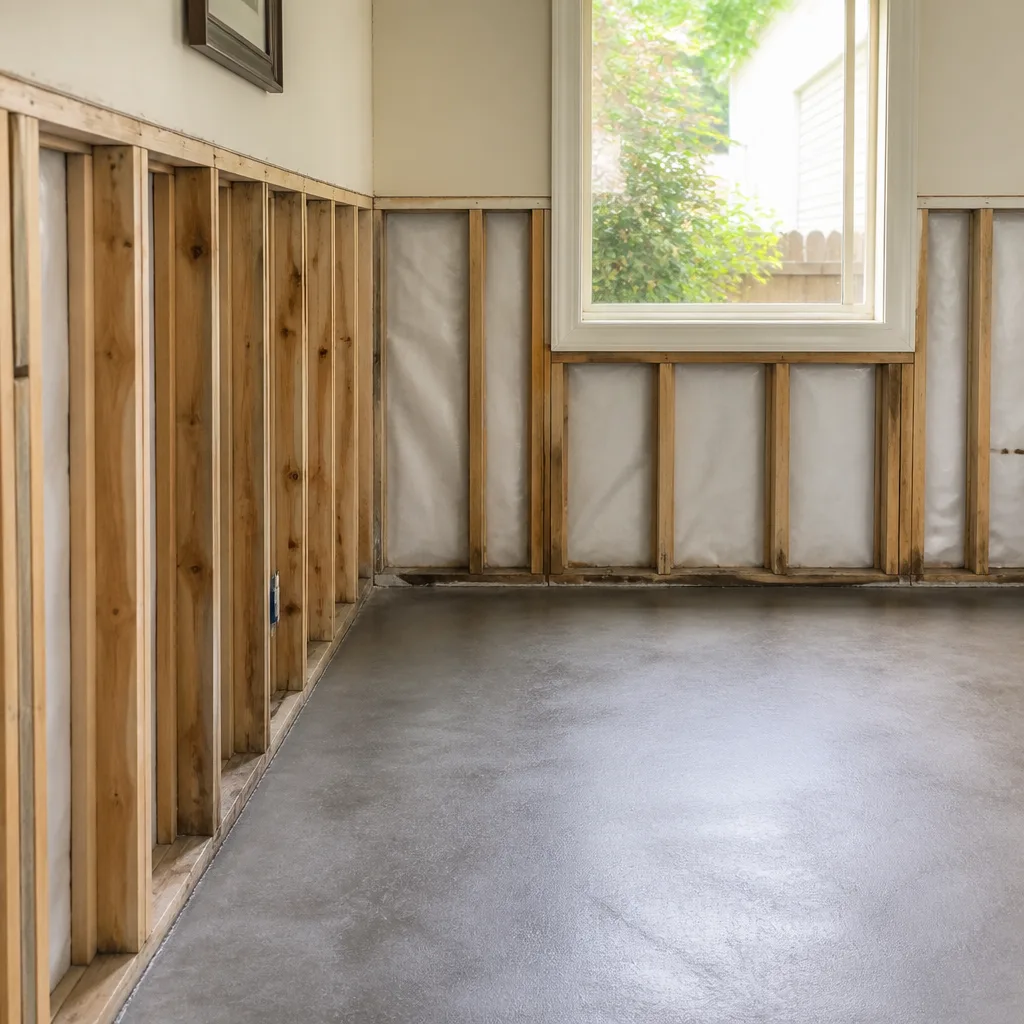
- Demolition that can’t be justified. If you tear out drywall without moisture readings proving it was saturated, your insurer may dispute that the demo was necessary. We document everything with thermal imaging and moisture meters before cutting.
- Improper drying that leads to mold. Most Nevada policies exclude or severely cap mold damage. If your insurer determines that mold resulted from inadequate drying rather than the original water event, the mold remediation may not be covered. This is the most expensive DIY mistake we see, and it changes the entire financial picture.
- Delayed reporting. Nevada policies generally require prompt notice of loss. Waiting a week to see if it dries on its own, then filing a claim for worsening damage, gives the adjuster grounds to reduce payment.
The insurance implication is straightforward: doing the initial protective actions yourself is expected and appropriate. Performing the restoration yourself is where you take on risk your policy was never designed to cover. When we work with Sunrise Manor homeowners, we bill directly to insurance where the policy allows, and we provide photo documentation and moisture logs that make the adjuster’s job easier. That documentation is part of why insurers process claims faster when a certified restoration company handles the work.
The Real Cost Comparison: DIY Then Fix vs. Professional From Day One
The DIY-vs-professional math looks different once you include the cost of failure. Let’s look at realistic numbers for Clark County.
Scenario: A bathroom supply line bursts while you’re at work. Water runs for several hours, saturating bathroom flooring, the adjacent bedroom carpet, and wicking several inches up the drywall in both rooms.
| Cost Element | DIY Attempt | Professional From Day One |
|---|---|---|
| Equipment rental (3-5 days) | $180-$300 | Included in service |
| Initial restoration | N/A | $2,800-$4,500 |
| Mold remediation 4-8 weeks later | $3,500-$8,000 | Not needed |
| Drywall and baseboard replacement | $1,200-$2,200 | Often included or minimal |
| Total realistic range | $4,880-$10,500 | $2,800-$4,500 |
The DIY path looks cheaper for the first week. Then the mold appears behind the baseboard, the bathroom vanity starts swelling, and the bedroom carpet pad smells like a wet dog every time the AC cycles. In Sunrise Manor’s climate, where summer temperatures regularly exceed 100°F and indoor relative humidity climbs despite air conditioning, mold growth within 48 to 72 hours of inadequate drying is not a possibility. It’s a schedule.
We’ve also seen the inverse: homeowners who caught a small leak early, called us, and the total bill was under $1,000 because the damage was genuinely minor and our moisture readings showed it. A professional assessment doesn’t obligate you to a full restoration. It gives you data. What you do with it is your call.
Structural Drying: Why Surface-Dry Is Not Dry
Drywall can feel dry to the touch at 12% moisture content. It fails at 20%. The difference between those numbers is invisible to your hand and obvious to a penetrating moisture meter. This is where the deepest DIY misconception lives: the belief that if it feels dry, it is dry.
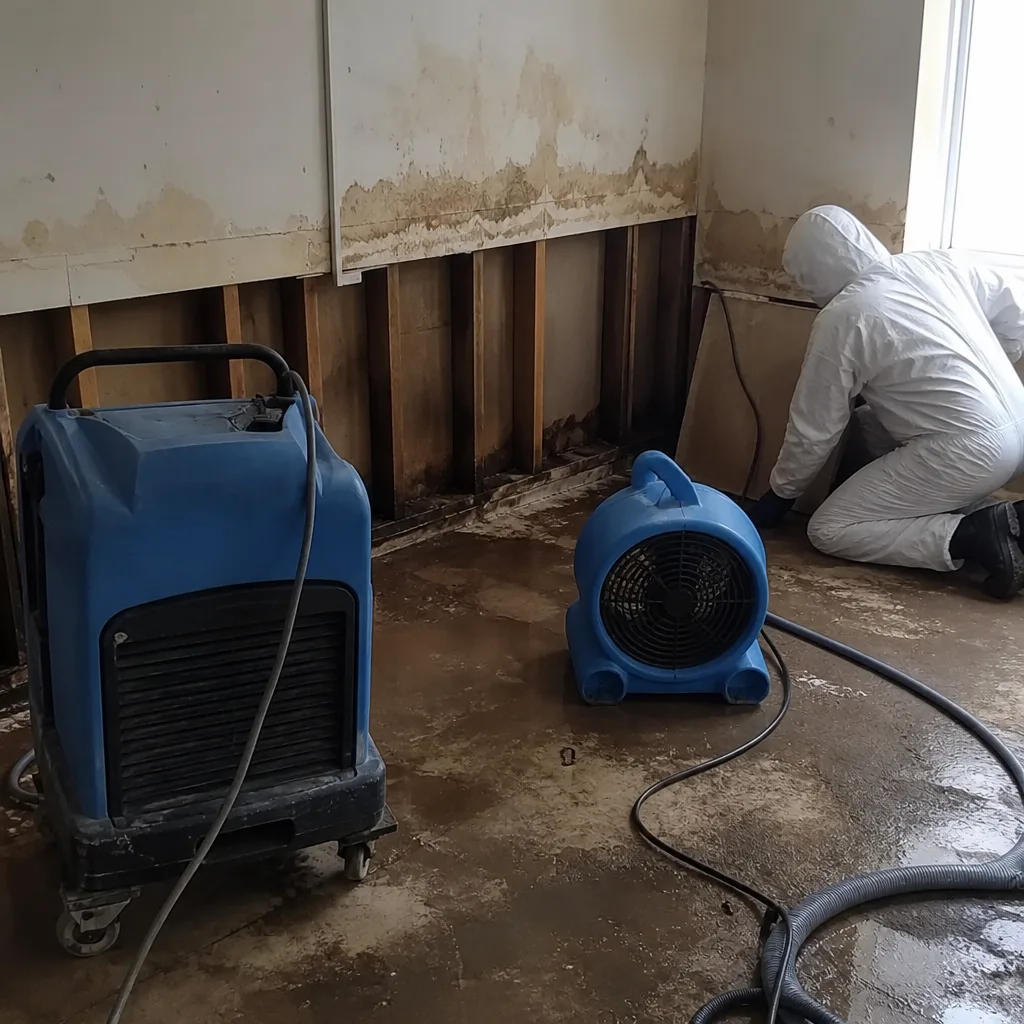
In our work across Sunrise Manor, the homes that need the most invasive demolition are rarely the ones with the most dramatic initial floods. They’re the ones where water sat in cavities for weeks, slowly degrading drywall, delaminating baseboards, and feeding microbial growth in the dark. We use Injectidry systems specifically because they dry wall cavities and subfloors without tearing them open. The equipment forces low-humidity air into enclosed spaces at controlled pressure. You can verify the drying is happening by the moisture readings, not by faith.
A consumer setup can’t do this. A box-store dehumidifier conditions the room, not the wall cavity. A box fan moves air across surfaces, not into them. The moisture inside the wall stays there, and it stays there long enough to matter. In a slab foundation home, which describes most of Sunrise Manor’s housing stock, moisture also travels downward into flooring systems and wicks up through the slab. Professional drying accounts for that vertical movement. DIY drying doesn’t because the homeowner doesn’t know it’s happening.
Common Mistakes to Avoid
- Assuming the visible water defines the extent of the damage. Water travels along framing, under flooring, and through wall cavities. What you see is typically the smallest portion of what you have. In slab homes common across Sunrise Manor, water runs under base plates and saturates the bottom of wall cavities even when the floor looks fine.
- Running household fans pointed at the wet area for a week. Household fans lack the static pressure and CFM rating to move moisture out of building materials. You’re evaporating surface water into the room air, which then re-condenses elsewhere unless a dehumidifier is actively pulling it out. The result is evenly distributed moisture throughout the room, which is worse.
- Pulling up carpet and padding, then leaving the slab exposed. It feels like progress, but a bare concrete slab in a Sunrise Manor summer still holds significant moisture. Concrete is porous. It releases water slowly. Without professional-grade dehumidification, you’ve created a perfect environment for mold on the underside of whatever flooring goes back down.
- Declaring victory when it “smells fine” or “feels dry.” Smell and touch cannot detect moisture content below 15%, which is still high enough to support mold growth. Only moisture meters give you actual data, and that’s the standard a professional restoration company works to.
- Skimming on the insurance documentation. If you’re going to file a claim, document everything before touching anything: photos, videos, a written timeline. Once you start moving things and cutting drywall, you lose the evidence the adjuster needs. We provide this documentation as standard practice on every job.
- Using a shop vac for sewage backup. A shop vac is not equipped to handle Category 3 water. It aerosolizes contaminants, spreads pathogens through the air, and leaves the vac itself as a biohazard. Sewage requires containment, PPE, and proper disposal. Full stop.
When to Call a Professional
Call a professional restoration company when the water is Category 2 or 3, when the affected area is larger than 15 square feet, when water has penetrated walls or flooring, when the water source is unknown, or when more than 48 hours have passed since the initial event. Also call if you’re simply unsure. A professional assessment with moisture readings costs nothing compared to being wrong. Ashworth Water Damage offers free estimates in Sunrise Manor, and our technicians are certified to IICRC standards, which means they evaluate your home against the same framework insurance adjusters use. Call (833) 734-7202 and we’ll tell you honestly whether this is a DIY job or a professional one. If it’s the former, we’ll tell you how to handle it. If it’s the latter, we’ll get to work.
Frequently Asked Questions
How much does professional water damage restoration cost in Sunrise Manor?
Professional water damage restoration in Sunrise Manor typically costs between $1,500 and $6,000 depending on the size of the affected area, the water category, and how long the water was present. Small clean-water losses can fall below that range, and sewage or large structural losses can exceed it. Call (833) 734-7202 for an exact quote. Estimates are free.
Will my insurance cover professional restoration?
Most Nevada homeowners policies cover sudden and accidental water damage from sources like burst pipes, supply line failures, and water heater ruptures. Mold resulting from the covered water event is often covered up to policy limits, but mold attributed to delayed or inadequate drying typically is not. That’s the practical reason to have a certified company document everything from the first day.
Can I rent professional-grade equipment myself?
You can rent some professional equipment, but rental houses typically stock consumer-grade dehumidifiers and air movers, not LGR units or Injectidry systems. Even with the right equipment, proper drying requires calculating air mover placement, monitoring moisture content daily, and adjusting the setup as drying progresses. Without training and moisture meters, you’re running equipment but not running a drying plan.
How fast can a restoration company actually get to my house in Sunrise Manor?
Restoration companies serving Sunrise Manor generally aim for same-day dispatch. Water damage worsens hourly, so response time matters for the outcome and the claim. Call (833) 734-7202 and we’ll confirm current availability and walk you through what to do while you wait.
Do I really need mold remediation, or can I just clean it?
If visible mold covers less than 10 square feet and is on a non-porous surface, cleaning may be adequate if the water source is fully resolved. However, mold on drywall, in wall cavities, or following a water event that wasn’t professionally dried requires remediation. The visible mold is usually the smallest portion of the colony. We identify mold at the source using the same diagnostic approach across water, mold, and fire: find the moisture, see where it went, and address it completely.
Who deals with my insurance adjuster during restoration?
A professional restoration company that offers direct insurance billing will handle adjuster communication, provide photo documentation and moisture logs, and submit the scope of work directly to your insurer. This removes the administrative burden from you during a stressful time. Ask any company you’re considering whether they bill directly to insurance before the work begins.
The Bottom Line
The DIY-vs-professional decision in damage restoration isn’t about effort or skill. It’s about equipment capacity and moisture measurement. A consumer dehumidifier moves a fraction of the air an LGR unit moves, and no amount of diligence changes that. For small, clean, contained spills caught immediately, DIY works. For everything beyond that, the cost of failure, measured in mold remediation, insurance disputes, and compromised structure, exceeds the cost of doing it right the first day. In Sunrise Manor’s climate, the timeline between water intrusion and secondary damage is measured in hours. Knowing where the line is protects your home and your claim.
Written by the team at Ashworth Water Damage, serving Sunrise Manor since 2018. For more guides & resources, explore our blog.
See the difference
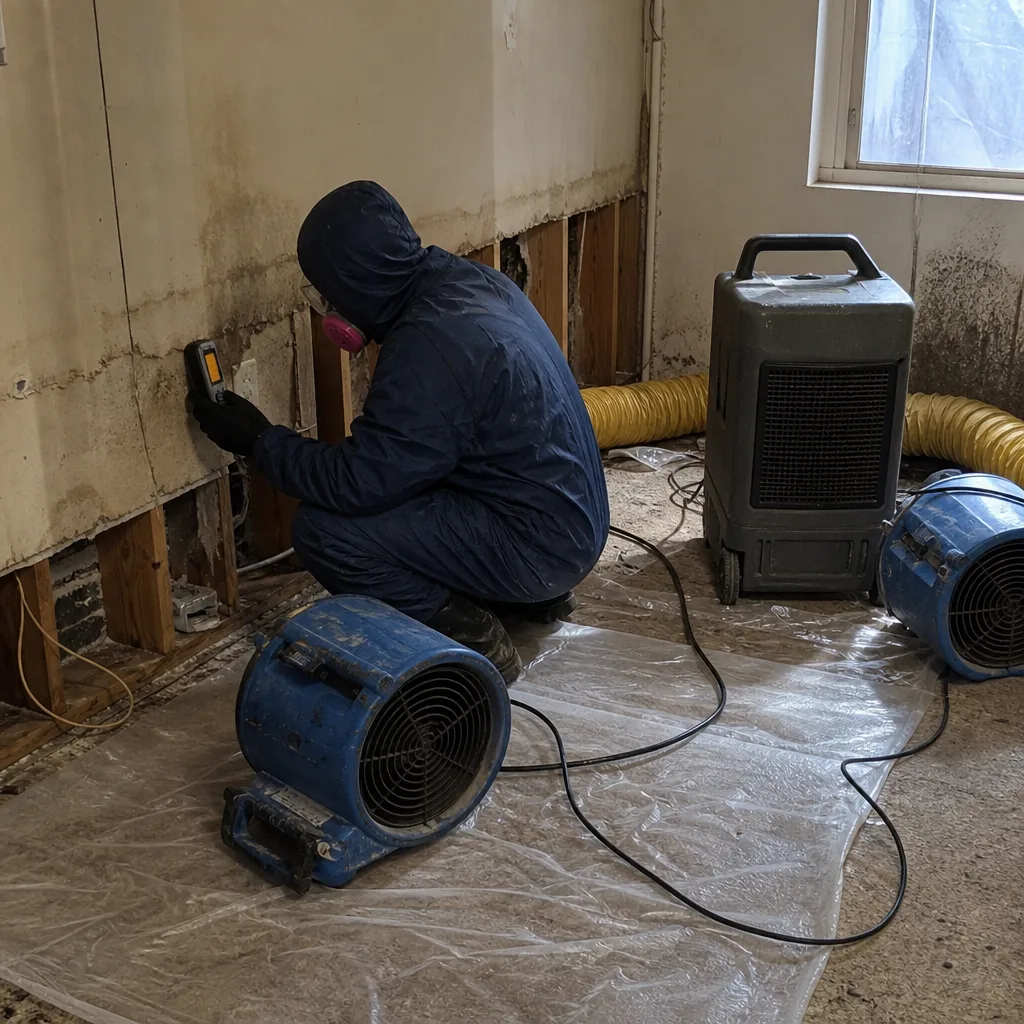 Before
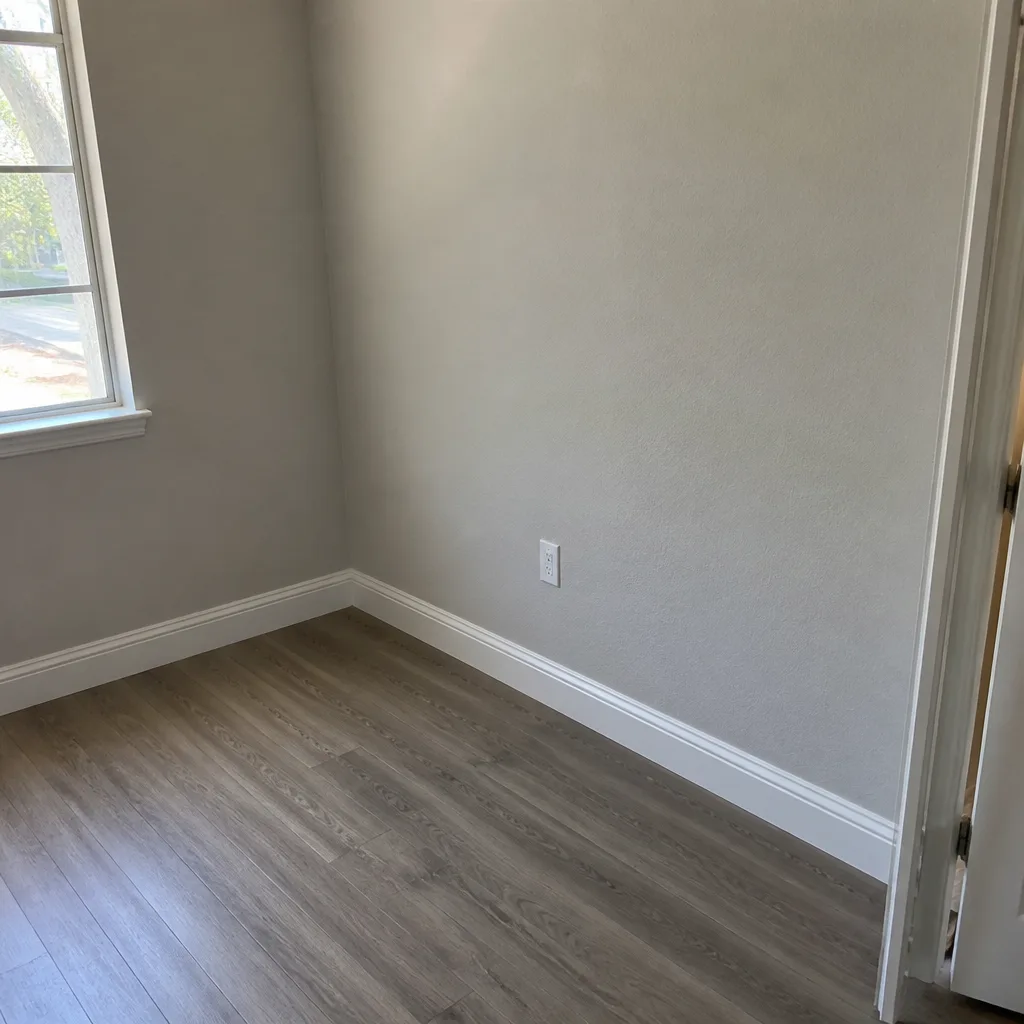 After
 Before
 After
 Before
 After