
Last updated October 30, 2026
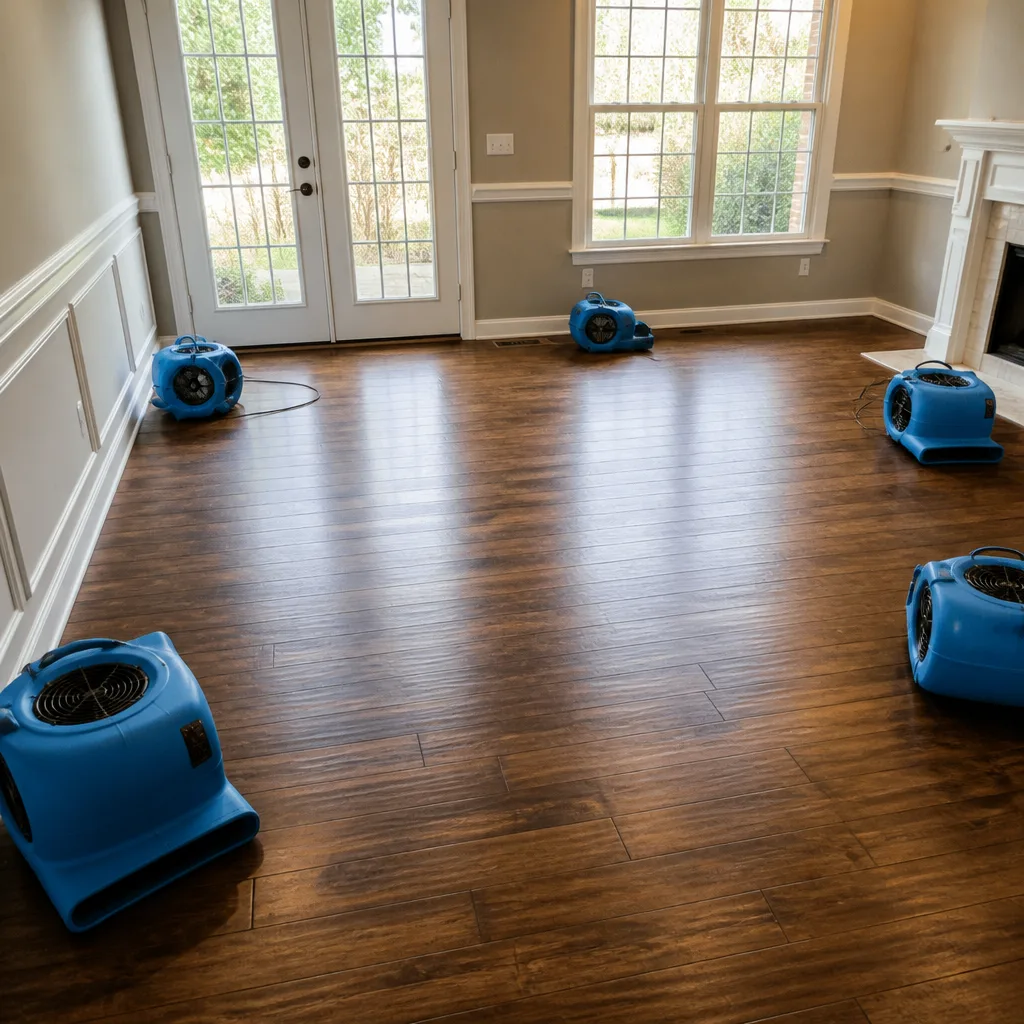 Water damage drying
 Fire & smoke cleanup
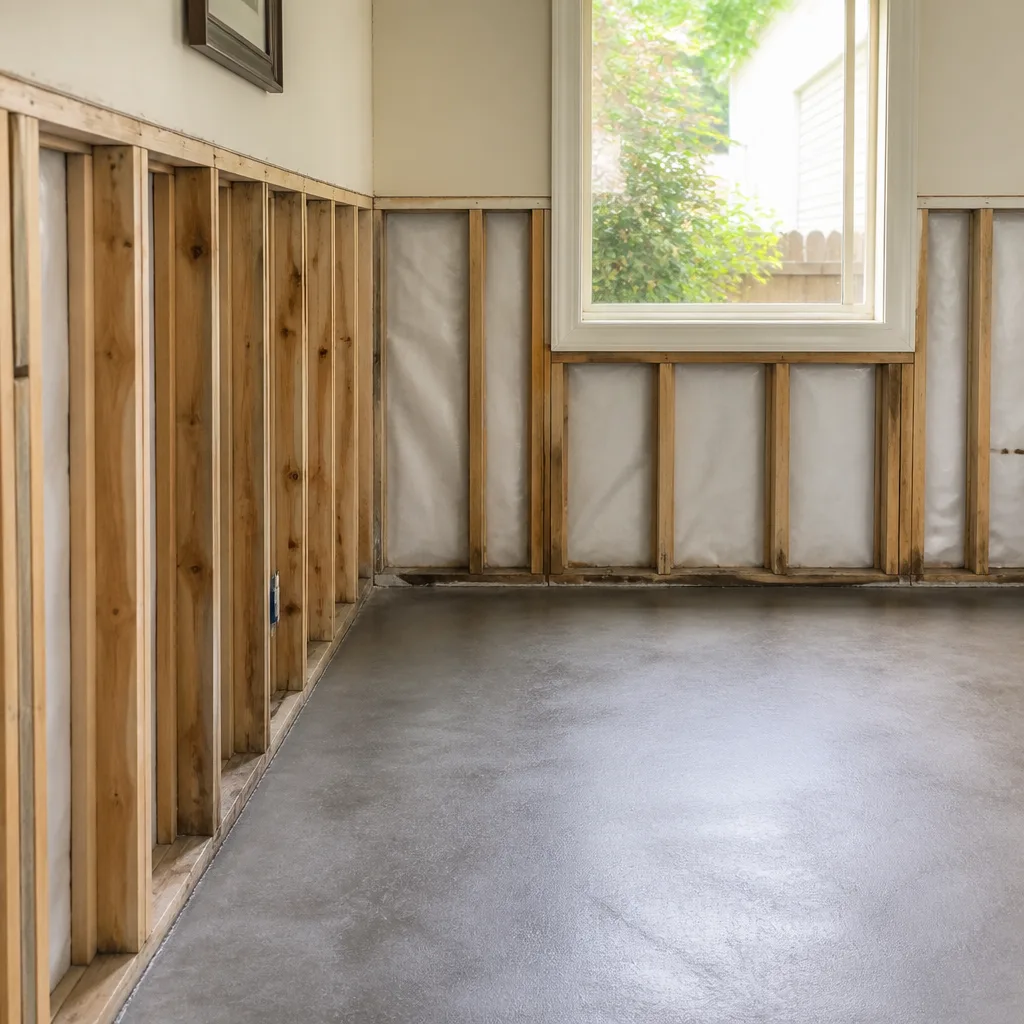 Mold remediation
 Storm response
 Sewage cleanup
 Reconstruction
Free visual inspection and a written scope of work before any mitigation begins - photos, moisture readings, and drying logs go in your claim file
The scope we write is the scope we bill. Anything new gets shown to you, in writing, before we touch it.
Get your free estimateSeasonal Damage Restoration Care for Sunrise Manor: Year-Round Homeowner’s Guide
Las Vegas Valley records an average of 4.2 inches of annual rainfall, but over 60% of it falls in six weeks. That single fact reshapes how homeowners in Sunrise Manor should think about damage prevention. The threats here don’t arrive on a predictable four-season calendar. They arrive as sudden monsoon saturation, silent attic condensation, and UV degradation that works on your home every single day. This guide walks through what actually damages homes in Sunrise Manor, quarter by quarter, and what to do about it before a small problem becomes a restoration job. For more guides & resources, see our blog. If you’ve lived here long enough, you already suspect the national home-maintenance advice doesn’t fit. You’re right.
Restoration work we handle
Quick Answer
Seasonal damage prevention in Sunrise Manor, Nevada means preparing for four distinct risk windows: spring UV and thermal stress on exterior surfaces, summer monsoon downpours that overwhelm drainage, post-monsoon moisture that hides inside walls and stucco, and winter attic condensation caused by temperature differentials. Most damage here is slow and silent until it isn’t. The most common sources we see are pool equipment, irrigation lines, HVAC condensate, and flat-roof membrane gaps.
Table of Contents
- Spring (March – May): The UV and Thermal Cycling Window
- Summer Monsoon Prep (June – July): Drainage Capacity and Seal Integrity
- Post-Monsoon Assessment (September – October): Finding the Water That Already Got In
- Winter Attic Risk (November – February): Condensation Without a Single Raindrop
- Year-Round: Pool Equipment and Irrigation Slow Leaks
- What Insurance Adjusters Actually Need From You
- Common Mistakes to Avoid
- When to Call a Professional
- Frequently Asked Questions
- The Bottom Line
Spring (March – May): The UV and Thermal Cycling Window
Spring in Sunrise Manor looks gentle. Temperatures climb gradually, the sky stays clear, and nothing seems urgent. That’s exactly why spring causes more long-term damage than any monsoon. The problem is thermal cycling. Your home’s exterior materials expand during afternoon heat and contract overnight. Repeat that cycle roughly ninety times between March and May and every seam, joint, and seal gets worked like a hinge. The damage shows up months later, but it starts now.
Flat roofs take the worst of it. Many homes in Sunrise Manor have flat or low-slope roof sections covered with a UV membrane. That membrane is the only thing between your ceiling and the next rain event. Under sustained UV exposure, the membrane oxidizes. It loses elasticity. Hairline cracks form. By June, when the first real storm arrives, water finds those cracks in minutes. We recommend walking a flat roof twice each spring, looking for:
- Discolored patches where the membrane has turned gray or chalky
- Bubbling or blistering, which means trapped moisture underneath is already expanding in the heat
- Lifted seams at edges and around roof penetrations like vents and AC curbs
- Pooling water that doesn’t drain within 48 hours after a light rain or irrigation overspray
HVAC condensate lines are another spring priority. Sunrise Manor cooling systems run hard from April through October. The condensate drain line carries away gallons of water per day in peak summer. If that line is partially clogged with algae or mineral scale, the water backs up into the overflow pan, then into the attic or ceiling. Clearing the line in spring is a $5 fix. Repairing a water-damaged ceiling in July is a restoration job. We’ve seen the same sequence in homes across Sunrise Manor: a slow drip into the overflow pan, a rusted pan, then a sagging ceiling that gives way during a heat wave.
Spring is also the time to inspect exterior caulk around windows, doors, and stucco transitions. Winter temperature swings, even mild ones by national standards, have already been stressing those joints. Run a finger along the caulk line. If it’s brittle, cracked, or pulling away from the surface, it needs replacement before the monsoon season tests every seal on your home.
Spring Action List
- Walk flat roof sections or have them inspected for membrane cracks, blisters, and ponding.
- Flush HVAC condensate lines with a proper line-cleaning solution.
- Inspect and replace exterior caulk at windows, doors, and stucco seams.
- Check irrigation start-up for leaks at valve boxes and emitter lines.
- Review the home’s drainage path: where will water go when the first storm hits?
Summer Monsoon Prep (June – July): Drainage Capacity and Seal Integrity
Monsoon season in Sunrise Manor is not a gradual weather shift. It arrives as a wall of moisture moving up from the Gulf of California, and when it hits the Spring Mountains, it drops everything it’s carrying. A single storm can deliver more water in two hours than the previous three months combined. The question isn’t whether it will rain. The question is whether your drainage system can handle the volume when it does.
French drains, if you have them, are the first line of defense. They clog with silt, landscape debris, and mineral buildup during the dry months. A clogged French drain doesn’t just stop working. It becomes a channel that redirects water toward your foundation instead of away from it. June is the month to pull the grates, inspect the catch basins, and look for standing water that should have percolated. If you don’t have French drains, evaluate your downspout extensions. They should carry water at least four to six feet from the foundation. Most homes in Sunrise Manor have extensions that are too short or have been knocked loose by landscaping work.
Window and door seals deserve a second look in early summer. The heat has been expanding your frames for months. The monsoon arrives with air pressure changes and wind-driven rain. Any gap that opened during spring thermal cycling will take on water during a monsoon storm. Check the weatherstripping. Run a hand along the bottom seal of every exterior door. If you can feel air movement from inside, water will find that same gap during a storm with wind behind it.
Sump pumps and drainage systems in Sunrise Manor are a mixed bag. Some homes have them, many don’t. If you have a sump pit, test the pump before the first storm. Pour water into the pit until the float activates and the pump cycles. If it hums without pumping, the impeller may be seized. If it doesn’t activate at all, the float switch may be stuck. Either failure leaves your lowest level defenseless against a saturated water table. Check your drainage path from roof to street. Scuppers, canales, and roof drains on flat sections must be clear before the first storm. A single blocked roof drain with a flat roof above it will find the failure point, and it will be your ceiling.
Monsoon Prep Steps
- Clear all roof drains, scuppers, and downspouts of debris.
- Inspect and extend downspout outlets to discharge at least four feet from the slab.
- Test any sump or ejector pump by running water into the pit until the float engages.
- Check all window and door weatherstripping. Replace compressed or cracked seals.
- Walk the property perimeter and note any low spots where water might pond against the foundation.
Post-Monsoon Assessment (September – October): Finding the Water That Already Got In
By September, the drama of monsoon season is over. The skies clear, the humidity drops, and Sunrise Manor goes back to its default state. That’s precisely when homeowners stop thinking about water damage. Big mistake. The water that entered your home during July and August didn’t necessarily show itself. It may have entered through a stucco crack, wicked into the wall cavity, and started drying from the outside in. Inside the wall, that moisture creates exactly the environment mold needs to establish itself. By the time you see a stain on the drywall, the biological process has been underway for weeks.
Stucco cracks deserve particular attention after the monsoon. Stucco is rigid. When it saturates during a monsoon storm, it swells. When it dries, it contracts. That cycle widens existing hairline cracks into actual entry points for the next storm. Walk the exterior and mark every crack wider than a dime. In Sunrise Manor, these cracks most commonly appear at inside corners of window openings, along the top edge of parapet walls, and at the transition between stucco and concrete foundation.
Inside the home, check areas that don’t get daily visual attention. The back of closets on exterior walls. The ceiling of under-stair storage. The baseboards behind furniture. Use your nose as much as your eyes. A musty smell in an otherwise clean home is the earliest reliable indicator of hidden moisture. If you’re not sure whether a smell is real or imagined, close the room for two hours and then walk in. Your nose is more sensitive to subtle odors when it hasn’t had time to adapt.
This is also the time to photograph and document any staining, even minor staining, with date-stamped images. Insurance claims process much more smoothly when you can demonstrate a progression over time. If you noticed a small stain in August and it grew by October, that’s documentary evidence of an active leak, not a pre-existing condition. Your adjuster will appreciate the diligence, and frankly, so will your restoration contractor.
Post-Monsoon Inspection Checklist
- Walk the entire exterior. Mark stucco cracks, both old and new, with chalk or tape.
- Check interior ceilings and walls along exterior-facing surfaces, especially below flat roof sections.
- Inspect the attic for dark staining on the underside of the roof sheathing.
- Sniff-test enclosed spaces: closets, storage rooms, under sinks.
- Photograph everything. Even if it looks minor, document it with a date.
For homeowners who do find evidence of water intrusion, our Water Damage Restoration in Sunrise Manor page explains what to expect from a professional assessment and drying plan. If there’s any biological growth present, you’ll want to understand Mold Remediation in Sunrise Manor as well, since the two problems are handled together.
Winter Attic Risk (November – February): Condensation Without a Single Raindrop
Most homeowners in Sunrise Manor don’t think about water damage in winter. It’s the dry season. No rain means no water, right? This is the single most dangerous assumption on this entire page. Winter is when we see a distinctive pattern of attic moisture damage that has nothing to do with rainfall. The cause is condensation, and the mechanism is simple physics.
Your furnace heats the interior of your home. Warm air rises. It carries moisture from cooking, showers, and even breathing. That warm, moisture-laden air enters the attic through gaps around recessed lights, plumbing penetrations, and access hatches. The attic itself is cold at night, sometimes dropping near freezing in December and January. When the warm air contacts the cold underside of the roof sheathing, the moisture condenses into droplets. Not a few drops. Over a season, enough condensation accumulates to saturate insulation, stain drywall, and support mold growth on the sheathing.
Sunrise Manor homes built in the 1980s through the 2000s often have marginal attic ventilation for the climate. That’s not a code failure, it’s a design reality. The temperature differential between your heated living space and your unheated attic can be forty degrees or more on a cold January night. No amount of ventilation can fully overcome that differential if warm air is moving into the attic at volume. The fix is air sealing, not additional venting.
Inspect your attic in November before the coldest weeks arrive. Look for:
- Dark staining on the underside of roof sheathing, especially near the peak
- Rust on exposed nails protruding through the sheathing
- Wet or compressed insulation, particularly in areas around recessed light fixtures
- Frost forming on the underside of the sheathing on very cold mornings
We’ve responded to attic mold calls in February where the homeowner had never experienced a roof leak in twenty years. The mold wasn’t from a leak. It was from a winter of warm air meeting cold wood. This is where having mold remediation expertise in Sunrise Manor becomes relevant. The source must first be fixed with air sealing, but the mold itself requires controlled removal.
Year-Round: Pool Equipment and Irrigation Slow Leaks
Some threats in Sunrise Manor don’t care what month it is. They operate quietly, day after day, month after month. The most common sources of slow, chronic water damage in this valley are pool equipment and irrigation systems. Nearly every home in Sunrise Manor has one or both. Nearly every one of those systems will leak at some point. The question is whether you catch the leak while it’s still a puddle or after it’s saturated your slab.
Pool pumps, filters, and heaters have gaskets and seals that degrade under constant chemical exposure and UV. A pinhole leak at a pump union can release two to three gallons per hour. That’s seventy gallons a day. Run that for six months and you’ve saturated the soil around your equipment pad, created settlement beneath the concrete, and possibly introduced moisture into an adjacent exterior wall. The pool itself can also leak through cracks in the shell or failed expansion joints. If your pool requires more than an inch of top-off per week even when no one is using it, start looking for a leak.
Irrigation systems are the other chronic culprit. PVC laterals under constant pressure develop micro-fractures over time. Valve boxes fill with water and leak into the surrounding soil. Emitter lines shift and point water at the foundation. A single sprinkler head that has drifted and sprays the stucco wall, twice a day, every day, will cause visible stucco damage and eventual moisture intrusion. Set your irrigation schedule, then walk each zone once a quarter while it’s running. Look for overspray, puddling, and heads that have become misaligned.
A moisture meter can help you catch these issues early. Simple pinless meters are available at any hardware store. Use them around pool equipment, along foundation walls, and near irrigation valve boxes. If you get high readings without an obvious surface source, call a professional before the problem migrates further.
What Insurance Adjusters Actually Need From You
Most homeowners don’t think about their insurance company until they need them. Then, in the middle of an emergency, they discover that the claims process is a documentation process as much as a repair process. What you document before and during a damage event determines how smoothly your claim moves.
The single most valuable thing you can do is maintain a photographic record of your property before anything goes wrong. Walk through your home once a season, photograph every room, and date the photos. When water damage occurs, the adjuster wants to see what the area looked like before. If you have a burst pipe under your kitchen sink, and you can show that the cabinet was in good condition in October, the claim process moves faster. No pre-existing damage dispute. No awkward questions.
During and after a damage event, photograph everything before any cleanup begins. Adjusters understand that you needed to stop the active leak. They don’t expect you to leave water standing. But photograph the water before you extract it, photograph the damaged materials before you cut them out, and photograph the space after the emergency work is done. A restoration company that does photo-documented assessments is doing more than proving their work. They’re building your claim file.
If you’re dealing with fire damage in Sunrise Manor, the documentation requirements are more extensive. Our Fire Damage Restoration in Sunrise Manor page walks through that process. The short version: photograph everything before anything is moved. Adjuster coordination is part of the restoration process, not a separate task you handle alone.
Common Mistakes to Avoid
- Assuming no rain means no water risk. Winter attic condensation and slow plumbing leaks are active damage sources in Sunrise Manor during the driest months of the year. We find mold in attics every February from homes that haven’t seen a drop of rain since September.
- Walking flat roofs without knowing what you’re looking at. A homeowner can spot obvious membrane damage, but the failure points on flat roofs are often at transitions and flashings that require trained eyes. If you’re not comfortable on a roof, hire someone who carries IICRC credentials and knows roof assemblies.
- Ignoring puddles because they dry within a day. Puddles that disappear still deposited water into the soil around your foundation. Chronic ponding causes settlement, and settlement causes cracks, and cracks become water entry points during the next storm.
- Waiting for visible mold before calling anyone. By the time mold is visible on a surface, the colony has already established itself inside the material. The visible portion is the tip. Mold remediation is always larger in scope than the visible growth suggests.
- Treating the symptom instead of the source. Painting over a water stain without addressing the moisture source inside the wall simply hides the problem behind a fresh coat of latex. We’ve removed drywall to reveal the real story too many times.
- Filing an insurance claim without pre-loss documentation. The adjuster’s job is to determine what the policy covers. Your job is to prove what existed before the loss. Without photos, that’s a disagreement without evidence.
- Running portable fans on serious water damage and calling it dry. Consumer fans dry surfaces. They don’t dry wall cavities, subfloors, or structural framing. The moisture that remains is where the long-term damage occurs. And on the topic of proper drying, our Ashworth Water Damage home page explains our approach in more detail, including the Injectidry systems we use to reach moisture inside walls without unnecessary demolition.
When to Call a Professional
Some situations clearly call for professional intervention. If you see water coming through a ceiling, shut off the water source if you can do so safely, move belongings out of the way, and call a restoration company. If you find mold larger than a dinner plate, don’t disturb it. Disturbing it releases spores into your HVAC system. If you smell gas or see charring after a fire, don’t enter the structure. If your home has standing water that covers electrical outlets, don’t step into it. These aren’t DIY moments. They’re moments for trained crews with commercial-grade equipment. Ashworth Water Damage offers free estimates in Sunrise Manor, call (833) 734-7202.
Frequently Asked Questions
Water damage restoration in Sunrise Manor typically ranges from $1,800 to $4,500 for a contained category 1 water event in a single room, with full structural drying and equipment. Larger events involving multiple rooms, sewage, or saturated wall cavities range higher. Every job is different, which is why we provide a written scope before work starts. Call (833) 734-7202 for an exact quote, estimates are free.
Sudden and accidental water damage is typically covered by standard homeowner policies. Gradual damage from a slow leak that went unaddressed for months is often disputed or excluded. The distinction matters, so document everything and report promptly. Most restoration companies, including ours, can coordinate directly with your adjuster.
When you call a dispatch line like (833) 734-7202, the goal is always same-day response for active water events. Water migration doesn’t pause, so extraction and drying equipment should be in place within hours, not days.
Surface cleaning leaves the roots of the mold colony inside the material. Mold remediation means removing or treating the affected material so the growth can’t return. In most cases, the visible mold represents a fraction of the total contamination.
Sunrise Manor’s housing stock skews toward older single-story construction with flat roof sections and stucco exteriors. These design features react to UV and thermal cycling differently than newer multi-story construction on the west side. The damage profile leans toward flat roof membrane failures, stucco moisture intrusion, and slab-level plumbing issues in aging systems.
It depends on the scope, the location of the affected area, and whether the HVAC system is involved. For contained mold remediation affecting a single room, many homeowners stay. For larger-scale remediation, especially if the mold is in the HVAC system or multiple rooms, temporary relocation is sometimes the safer option.
The Bottom Line
Sunrise Manor homeowners who stay ahead of seasonal damage risk do three things consistently. They know their home’s specific vulnerabilities: flat roof membranes, stucco cracks, attic air sealing, and drainage capacity. They do preventive maintenance on a quarter-by-quarter rhythm, not a one-weekend-per-year scramble. And they document everything, so when the unexpected happens, their insurance claim and their restoration process both move faster. The desert climate lulls people into thinking nothing is happening to their home. That’s the point. Things are happening slowly, consistently, and with a deadline attached. The homeowners who catch those slow failures early are the ones whose homes hold together for decades.
Written by the team at Ashworth Water Damage, serving Sunrise Manor since 2018.
See the difference
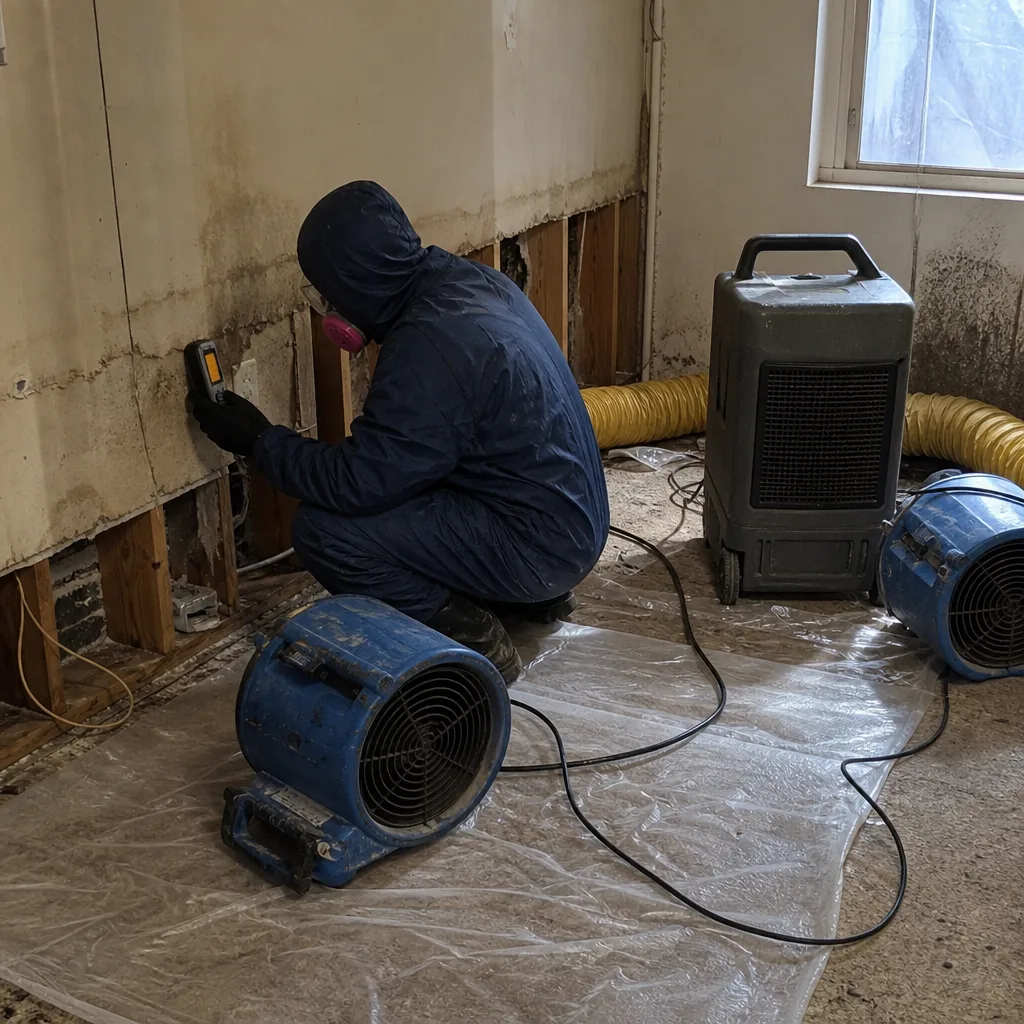 Before
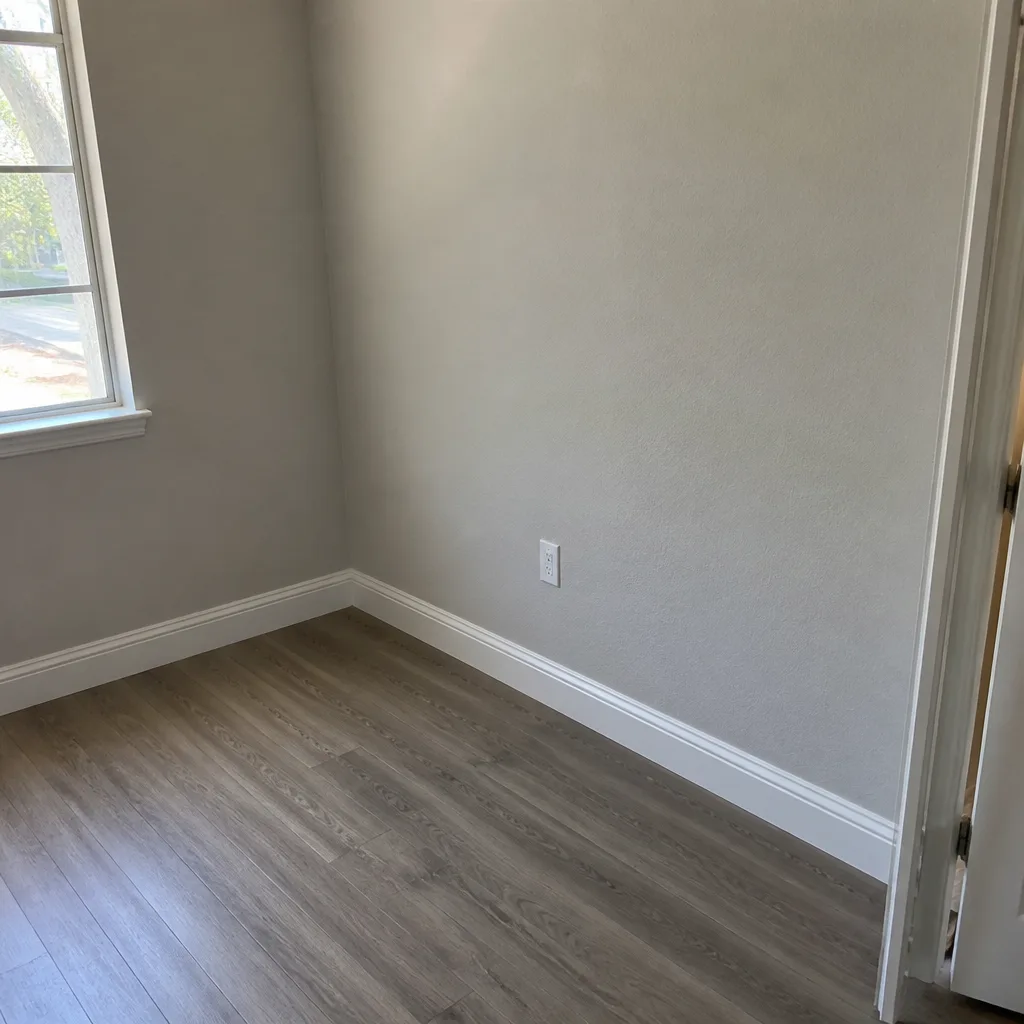 After
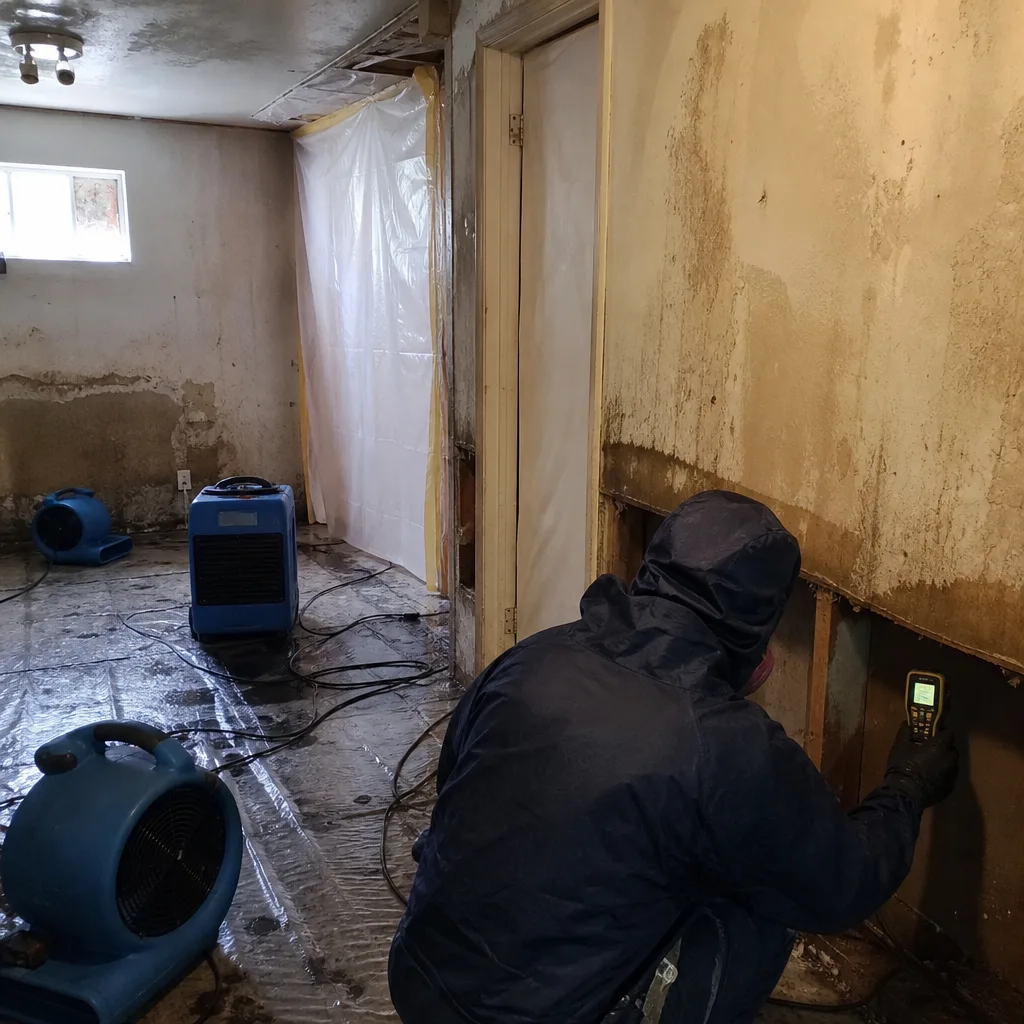 Before
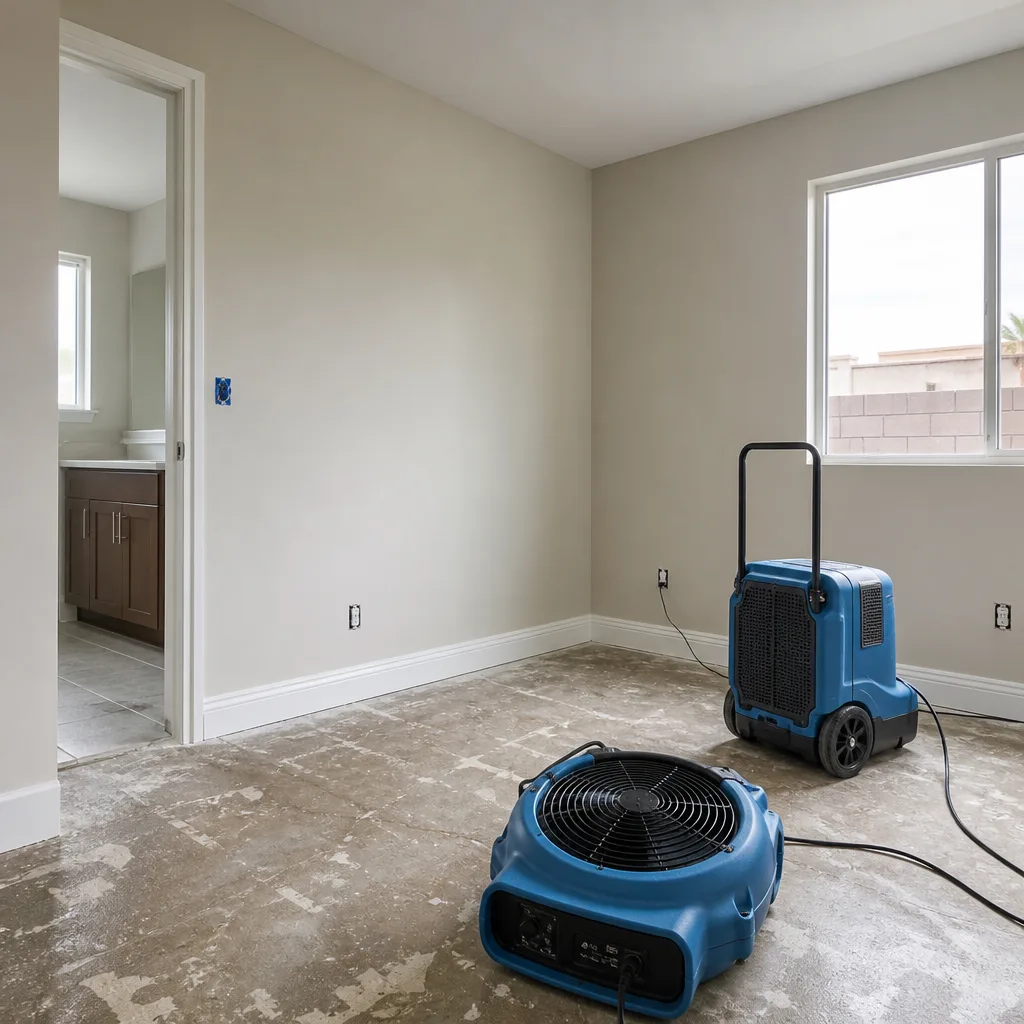 After
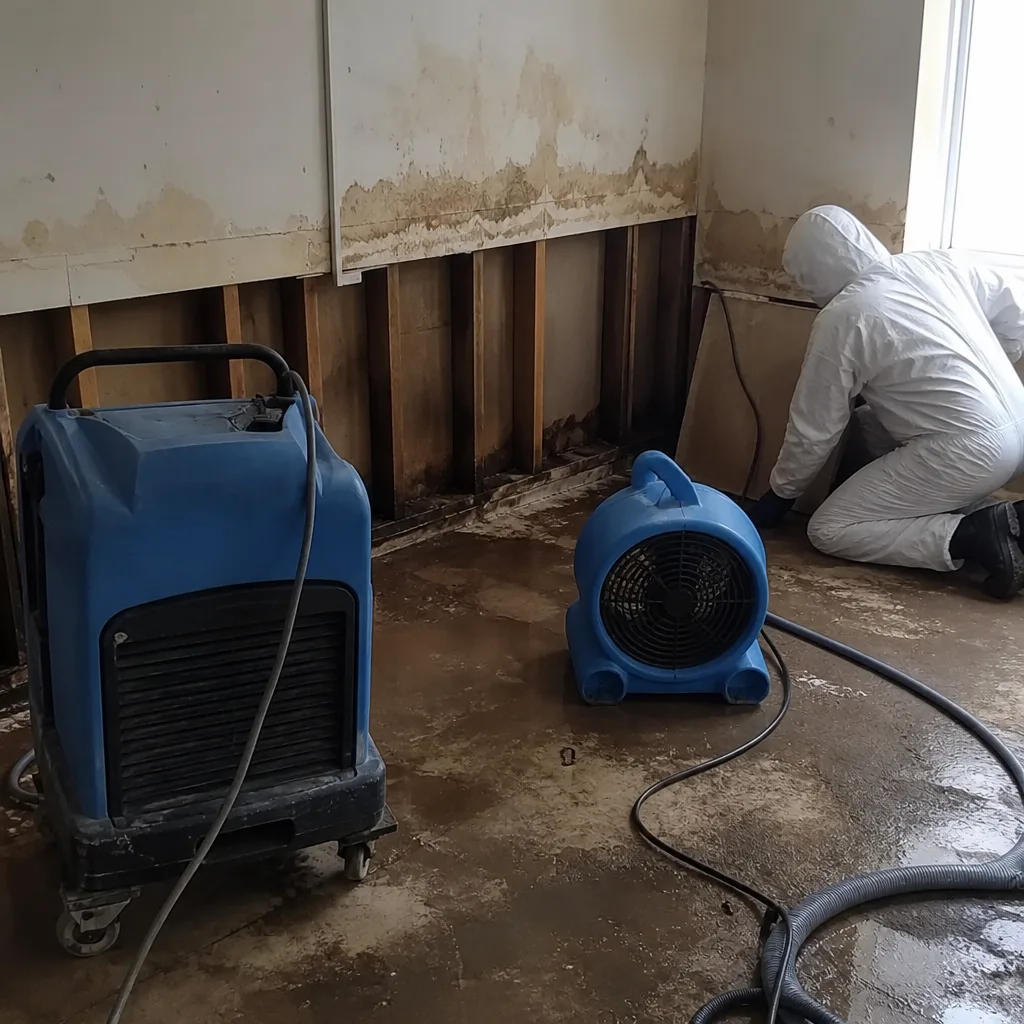 Before
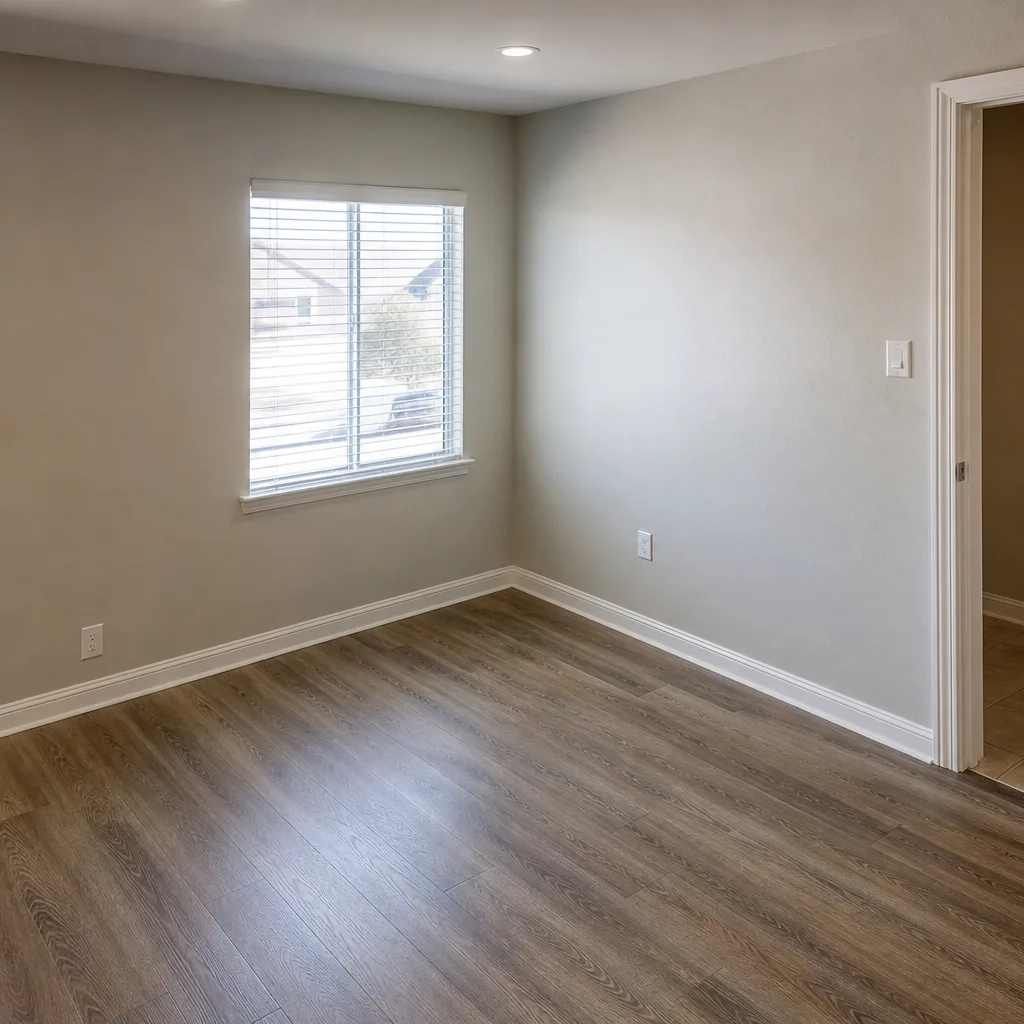 After