
Last updated October 30, 2026
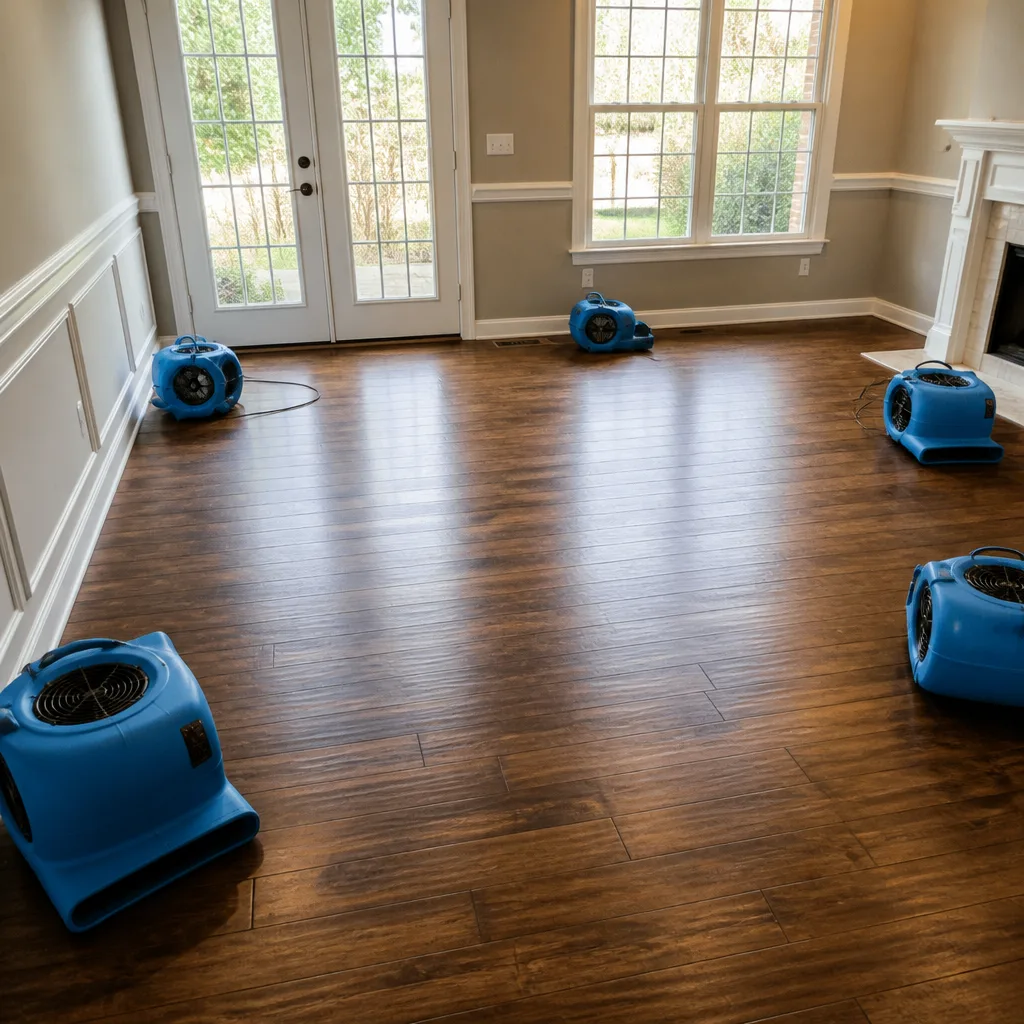 Water damage drying
 Fire & smoke cleanup
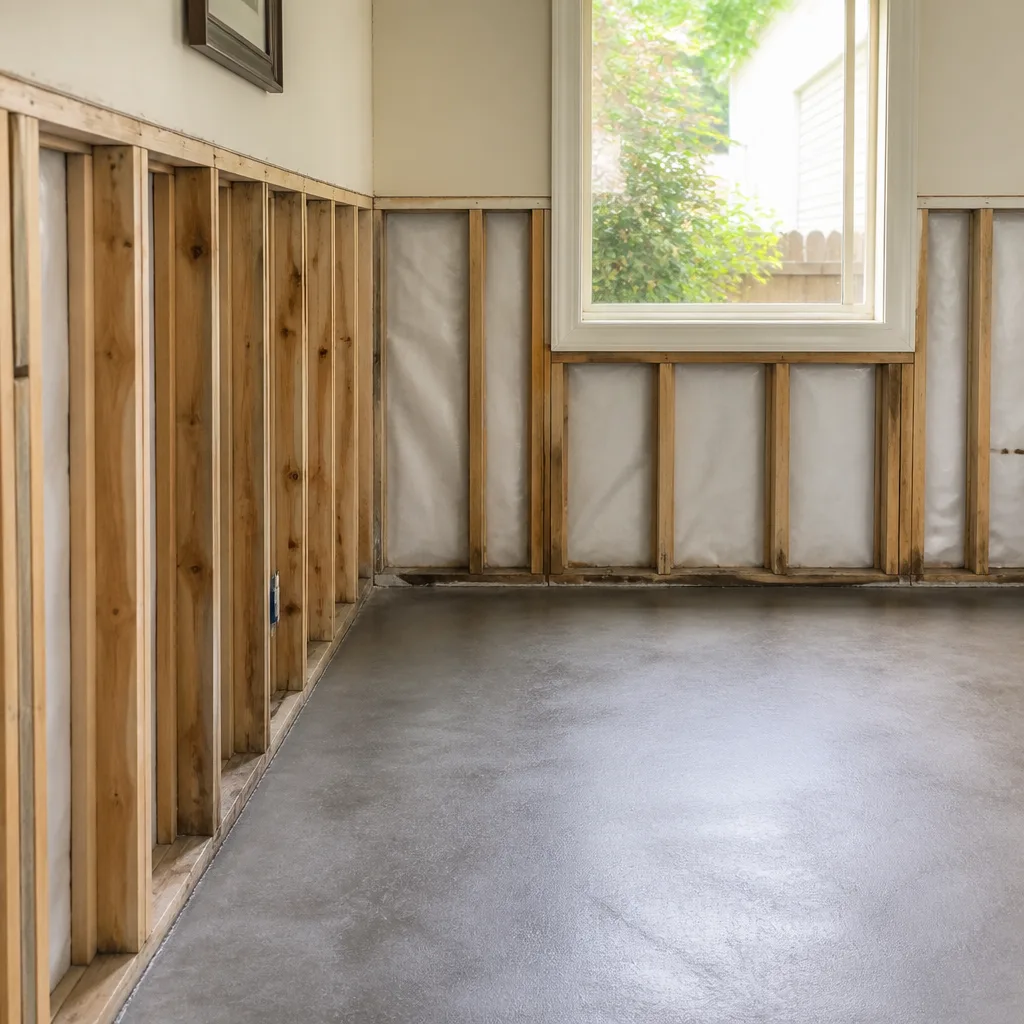 Mold remediation
 Storm response
 Sewage cleanup
 Reconstruction
Free visual inspection and a written scope of work before any mitigation begins - photos, moisture readings, and drying logs go in your claim file
The scope we write is the scope we bill. Anything new gets shown to you, in writing, before we touch it.
Get your free estimateWater Damage Restoration Maintenance Checklist for Sunrise Manor Homeowners
Sunrise Manor tap water averages over 300 parts per million of dissolved solids – nearly double the EPA secondary standard – and that calcium scale is quietly narrowing your supply lines and corroding valve seats right now. Most water damage in Sunrise Manor doesn’t start with a dramatic pipe burst. It starts with a slow failure point that got ignored for eighteen months because nobody knew to look. This guide gives you a calendar-based inspection routine built specifically for the Las Vegas Valley climate: hard water, extreme heat, and monsoon pressure surges. By the end, you’ll know exactly what to check, when to check it, and which problems you can handle yourself versus which ones need our Water Damage Restoration services before the wall cavity becomes a mold farm.
Restoration work we handle
Quick Answer
A water damage prevention checklist for Sunrise Manor homeowners means inspecting supply lines, water heater anodes, washing machine hoses, and roof flashing on a seasonal schedule tied to the Las Vegas Valley climate – pre-monsoon in June, post-monsoon in October, and pre-heat-spike in April – while accounting for hard water mineral buildup that accelerates failure rates. The most effective routine combines a monthly 15-minute water meter test for hidden leaks with quarterly visual inspections of the specific components that fail fastest in this region. Catching a slow supply-line leak early typically costs a plumber’s service call; missing it means structural drying, drywall replacement, and potential mold remediation.
Table of Contents
- The Hard Water Reality: Why Sunrise Manor Pipes Fail Faster
- The Seasonal Inspection Calendar for Sunrise Manor
- The 15-Minute Water Meter Test That Catches Hidden Leaks
- Supply Lines and Valve Seats: The Scale Problem Nobody Talks About
- Water Heater Anode Rods: Hard Water’s Silent Victim
- Roof and Flashing Checks for Flat and Low-Slope Roofs Before Monsoon Season
- Insurance Coverage and Documentation: What Skipping Maintenance Costs You
- Early Warning Signs of Hidden Moisture in Sunrise Manor Homes
- Common Mistakes to Avoid
- When to Call a Professional
- Frequently Asked Questions
- The Bottom Line
The Hard Water Reality: Why Sunrise Manor Pipes Fail Faster
Sunrise Manor sits on the eastern edge of the Las Vegas Valley, where the municipal water supply pulls from Lake Mead and a network of groundwater wells. The dissolved mineral content in that water – primarily calcium and magnesium carbonates – ranges between 280 and 350 parts per million depending on the season and source blend. For comparison, the EPA’s secondary standard for aesthetic water quality is 500 ppm, but that number measures taste and soap lather, not what’s happening inside your plumbing. Even at 300 ppm, calcium carbonate precipitates out of solution every time water sits still in a pipe, forming a crust that narrows the interior diameter over years of use.
What that means for homeowners: the failure points in a Sunrise Manor home are not random. They concentrate where water pressure meets narrowed pipe interiors and where rubber seals and valve seats accumulate scale deposits that prevent a proper seal. A washing machine hose that would last twelve years in a soft-water market might split at year seven here, not because the rubber degrades faster, but because the crimped fitting has been under constant micro-stress from scale buildup inside the connection. Supply lines under bathroom sinks – the braided stainless ones that everyone assumes are permanent – develop pinhole leaks at the crimp point for the same reason.
In our experience, the single most common water damage source in Sunrise Manor homes is not the dramatic pipe burst. It’s the slow leak behind a toilet or under a bathroom vanity that ran for weeks before anyone noticed the baseboard swelling. Hard water doesn’t cause those leaks directly, but it accelerates the conditions that lead to them. A valve seat with scale crust doesn’t seal fully, which allows constant drip pressure, which eventually erodes the seat entirely.
This is why a generic maintenance checklist from a national home improvement site under-serves Sunrise Manor homeowners. Those lists assume average water chemistry and mild temperature swings. They don’t account for supply lines in an unconditioned garage hitting 115 degrees in July, or monsoon-season pressure fluctuations stressing already-narrowed pipe interiors. The inspection intervals in this guide are calibrated to those local conditions, not to national averages.
The Seasonal Inspection Calendar for Sunrise Manor
Sunrise Manor’s climate creates three distinct stress periods for residential plumbing and building envelope systems. The maintenance calendar below is organized around those periods. Mark these on whatever calendar system you actually use – phone reminders work better than paper for this, because the intervals are too easy to skip.
April: Pre-Heat-Spike Inspection
April is when daytime temperatures start pushing into the 90s and your garage becomes an oven. Anything in that garage with water inside it – water heater, washing machine, water softener if you have one – is about to operate under thermal stress for the next five months. This inspection should take 45 minutes.
- Check washing machine hoses. Look for bulging, cracking, or rust at the crimp fittings. If the hoses are more than five years old in a Sunrise Manor home, replace them preemptively. Rubber hoses should be replaced with braided stainless steel if they’re not already. The upgrade costs under $40 and eliminates the single most common appliance leak source in this region.
- Test every shutoff valve in the house. Turn each one off and back on. If any valve feels gritty, won’t fully close, or drips when closed, put it on the replacement list. A shutoff valve that doesn’t work means a small leak becomes an emergency because you can’t isolate it.
- Inspect the water heater for corrosion. Look at the fittings on top, the temperature-pressure relief valve, and the base of the tank. Rust at fittings is normal at year five; rust at the tank base means the tank is failing.
- Clear roof scuppers and downspouts. Monsoon season is two months away. Debris that sits in scuppers through June will cause ponding during July storms, and ponding on a flat roof finds every weak point in the membrane.
June: Pre-Monsoon Inspection
Monsoon season in the Las Vegas Valley officially runs from June 15 through September 30, though the heaviest storm activity typically hits July and August. The pre-monsoon inspection is the most important one on this calendar. A roof that’s going to leak will almost always leak during monsoon season, and the volume of water involved in a single afternoon storm can overwhelm drainage systems that worked fine all year.
- Walk the roof surface. If you have a flat or low-slope roof – common in Sunrise Manor’s post-1970 construction – look for cracks in the membrane, bubbling in the coating, or any area where standing water didn’t fully evaporate since the last rain. These are failure points waiting for a monsoon downpour.
- Check all flashing. Flashing around roof penetrations like vents, skylights, and HVAC curbs is where monsoon water gets in. Look for lifted edges, dried-out sealant, and gaps between flashing and the roof surface.
- Inspect exterior caulking. Monsoon winds drive rain horizontally. Caulking around windows and door frames that looks intact from a distance might have hairline gaps that let water in under wind pressure. This is a 15-minute check with a flashlight and a close look.
- Verify downspout extensions. Downspouts should discharge water at least five feet from the foundation. In Sunrise Manor, where many homes are slab-on-grade, water ponding against the foundation wall during a monsoon storm can wick through the slab edge and into interior flooring.
October: Post-Monsoon Inspection
After the last monsoon storm, the damage is done – or it’s about to show itself. This inspection catches what the storms exposed before it becomes a winter problem. October is also the right time to document everything for insurance purposes while the evidence is fresh.
- Check for water stains on ceilings and walls. Monsoon leaks often show up as faint tan or brown stains that appear days after the storm. Trace every stain to its source. A stain at the ceiling-wall junction often means a flashing leak, not a roof surface leak.
- Inspect the water meter reading against your last bill. A spike in usage during a month where you didn’t irrigate more than usual indicates an outdoor leak or an irrigation system problem. Compare September usage to June usage to isolate irrigation infl uence.
- Run the water meter test described in the next section. Post-monsoon is when slow leaks from shifting soil and pressure fluctuations are most likely to appear.
- Document everything. Photograph any stains, cracks, or water damage with a date stamp. These photographs become your evidence trail if you need to file a claim later.
The 15-Minute Water Meter Test That Catches Hidden Leaks
Every home in Sunrise Manor with municipal water has a water meter, usually in a concrete box near the street or in the sidewalk. That meter is the single most accurate leak detection tool you own, and it costs nothing to use. The test below catches leaks that would otherwise hide for months – a running toilet, an irrigation valve that doesn’t close fully, a pinhole in a slab pipe that hasn’t surfaced yet.
The test works because your water meter measures every gallon that enters the property. If all water-using fixtures are off and the meter still moves, water is moving somewhere inside your home or yard, and that water is going where it shouldn’t.
- Turn off everything that uses water. Every faucet, every toilet (make sure none are running), the washing machine, the dishwasher, the ice maker, the water softener, the irrigation system. This includes any evaporative cooler on a float valve – those have a constant water feed and will throw off the test.
- Locate your water meter. In Sunrise Manor, meters are typically in a rectangular concrete box with a metal or plastic lid near the sidewalk or curb. Lift the lid carefully – a screwdriver or pry bar in the notch helps. Watch for spiders; they like meter boxes.
- Read the meter. The display shows a series of digits plus either a sweep hand or a digital flow indicator. Record the full reading to the last digit.
- Wait exactly 15 minutes. Do not use any water during this window. No flushing, no handwashing, no filling a pet bowl.
- Read the meter again. If the reading changed at all, you have a leak somewhere. A change of one-tenth of a gallon in 15 minutes equals about 288 gallons per month – enough to noticably increase your bill and enough to rot drywall if it’s inside a wall.
- Run the overnight test for even slower leaks. Same procedure, but take the reading before bed and again in the morning before anyone uses water. Eight hours of no change means no leak above about a gallon per week. Any movement at all means something is leaking.
If the meter test shows a leak and you can’t find the source, the next step is isolating the system. Shut off the irrigation isolation valve (usually near the main shutoff) and run the test again. If the meter stops moving, the leak is in the irrigation. If it doesn’t, the leak is inside the house or in the main service line between the meter and the house. A leak in that service line is a slab or yard excavation issue, and you’ll want a professional assessment before any digging starts.
Supply Lines and Valve Seats: The Scale Problem Nobody Talks About
Supply lines are those flexible braided or rubber hoses that connect your shutoff valve to your faucet, toilet, or washing machine. In a Sunrise Manor home with hard water, these lines should be considered wear items, not permanent fixtures. The crimp fittings where the braided jacket meets the brass nut are the weak point, and scale buildup inside the fitting creates pressure points that eventually crack the fitting or separate the hose.
In our experience, supply line failures in Sunrise Manor homes cluster in two places: under bathroom sinks and behind toilets. Both are places where water sits in the line for hours at a time, which gives calcium optimal conditions to precipitate. The leak starts as a slow seep at the crimp, runs down the line or along the shutoff valve, and collects in the cabinet base or on the floor behind the toilet. By the time the homeowner notices, the cabinet bottom is warped or the baseboard is curling.
The inspection interval that accounts for accelerated scale buildup here is every six months, not the annual check that national checklists recommend. That means checking these lines during your April and October inspections at minimum.
What to look for:
- White or green crust at the connection points. This is mineral scale, and it means the fitting is seeping. Any crust at a fitting is a leak that hasn’t fully failed yet.
- Bulging in the braided jacket. The stainless braid should lie flat along the entire length. A bulge means the inner rubber tube has degraded and is pushing outward.
- Rust on the brass nut. Brass doesn’t rust; the stainless jacket does when it’s wet. Rust at the nut means the fitting has been leaking intermittently.
- Stiffness when flexing. A braided line should flex easily. A line that feels rigid has internal scale deposit and is near the end of its service life.
Replacement supply lines cost between $8 and $15 at any hardware store. The cost of a failed supply line behind a toilet that runs for two weeks before anyone notices includes water extraction, baseboard removal, drywall replacement, and possibly mold remediation if the leak wet the wall cavity. This is the single highest-return maintenance item on this entire list.
Valve seats under sinks and at hose bibs face the same scale problem. When you shut off a valve and it doesn’t fully close, you can’t isolate a leak, which turns a minor repair into a whole-house water shutoff. During inspections, turn every valve off and on once. If one sticks or drips, replace it before it becomes an emergency.
Water Heater Anode Rods: Hard Water’s Silent Victim
The anode rod is a sacrificial magnesium or aluminum rod inside your water heater tank that corrodes instead of the tank itself. In soft water, an anode rod lasts eight to twelve years. In Sunrise Manor’s hard water, the same rod often lasts four to six before it’s consumed to the point where the tank starts corroding. A water heater tank failure in a garage can mean hundreds of gallons on the floor – and if the garage is finished or used for storage, that’s a restoration project, not a plumbing call.
Most water heater manufacturers recommend checking the anode rod annually. For Sunrise Manor homeowners, that annual check is the minimum, not a suggestion. The check requires draining a few gallons from the tank, removing the rod (usually a 1-1/16 inch socket on the top of the tank), and visually inspecting the remaining rod material. If less than six inches of rod remains or the rod is coated in hard calcium scale that won’t break off, replace it.
Beyond the anode rod, three other water heater checks belong on your April inspection:
- Drain and flush the tank. Hard water sediment settles in the bottom of the tank and creates a layer that insulates the burner from the water, causing overheating and tank stress. Flushing two to three gallons monthly – or at minimum during each seasonal inspection – extends tank life measurably. The water that comes out will be cloudy and whitish, which is the calcium sediment you’re removing.
- Test the temperature-pressure relief valve. This valve is the safety release that prevents the tank from becoming a bomb if the thermostat fails. Lift the lever and let it snap back; water should flow briefly. If it doesn’t flow, or if it keeps dripping after you release it, replace the valve. A T&P valve that drips is an active leak that will rust out the discharge pipe and the tank fitting over time.
- Inspect the tank base for rust. Rust at the welded seam or the base ring means the interior glass lining has failed and the tank is actively corroding from the inside. When you see rust at the base of a water heater in Sunrise Manor, plan for replacement within the year – not because the tank might fail, but because when it does, it will dump 40 to 50 gallons onto your garage floor all at once.
A water heater replacement in Sunrise Manor typically costs between $1,200 and $3,500 depending on tank size and whether any code upgrades are required. The cost of water damage from a failed tank starts at the water extraction bill and goes up from there, with no upper limit.
Roof and Flashing Checks for Flat and Low-Slope Roofs Before Monsoon Season
Sunrise Manor’s housing stock includes a significant share of flat and low-slope roofs, particularly in neighborhoods built between 1970 and 2000. Flat roofs are not flat in reality – they have a slight pitch to move water toward scuppers or drains – but that pitch is often less than two degrees. A two-degree pitch means water moves slowly, and any obstruction or membrane damage creates ponding that finds every weakness in the roof system.
Monsoon storms in the Las Vegas Valley drop water at rates that flat-roof drainage systems frequently cannot handle. The storm water overwhelms scuppers, backs up behind debris, and pushes water under flashing points that stayed dry during gentler rains. This is why the pre-monsoon roof check in June matters more than any other roof inspection you do all year.
If you can safely access your roof (flat roofs make this easier than pitched ones, but any roof work has fall risks – if you’re not comfortable on a ladder, hire someone), here’s what to check before the first monsoon storm:
- Clear scuppers and drains. Scuppers are the openings in the parapet wall where water exits the roof. Debris – leaves, plastic bags, dust that’s accumulated over the dry season – blocks them. A scupper that’s 50% blocked during a monsoon downpour means several inches of standing water on your roof, which adds enormous weight and finds every membrane weakness.
- Inspect the membrane for cracks and bubbles. Las Vegas Valley UV exposure is brutal on roofing materials. Look for cracking in the coating, blisters in the membrane, and any area where the roof surface has worn through to the underlying material. These are active failure points.
- Check flashing at every penetration. Roof penetrations include plumbing vents, HVAC curbs, skylights, and electrical mastheads. The flashing at each point should be sealed and flush against the roof surface. Look for lifted edges, gaps, and sealant that has dried and cracked in the desert heat.
- Verify drain pipes are clear. Some flat roofs use interior drains instead of scuppers. Run water from a hose into the drain and confirm it flows freely. A clogged interior drain means water has nowhere to go except through the roof system and into the building.
If your Sunrise Manor home has a tile roof – common in newer construction and some older custom homes – the monsoon failure points are different. Tile roofs leak at underlayment that has degraded beneath the tile, not at the tile surface. Check for cracked or shifted tiles visually from the ground after any significant storm, and have the underlayment inspected by a roofer every five years. Tile roof underlayment in the Las Vegas Valley typically lasts 15 to 20 years before UV exposure through tile gaps and heat cycling degrade it to the point of failure.
Insurance Coverage and Documentation: What Skipping Maintenance Costs You
Homeowners insurance policies in Nevada typically cover sudden and accidental water damage – a pipe burst, a supply line failure, a water heater tank rupture. What they do not cover is damage from neglect or lack of maintenance. If an insurance adjuster determines that your water damage resulted from a maintenance item you should have caught – like a supply line that showed visible corrosion for months before it failed – the claim can be denied.
This isn’t a scare tactic; it’s how insurance works. The policy is a contract that requires you to maintain the property. When a claim is filed, the adjuster looks for evidence of the failure’s timeline. A rusted supply line that clearly failed over months tells a different story than a braided line that catastrophically split on a single day.
What actually voids coverage or weakens a claim in practice:
- Visible corrosion or leakage that predates the failure. If the failed component shows evidence of ongoing leakage – mineral deposits, rust staining, warped cabinet bottoms – the adjuster will argue the damage was gradual and therefore excluded.
- Missing or non-functional shutoff valves. If a shutoff valve was frozen open and you can’t isolate the leak, the adjuster may argue that the water damage was made worse by your inability to stop it.
- Deferred maintenance on the roof. A roof leak that resulted from a known issue – missing flashing, damaged membrane, cracked tile – is typically excluded. Insurance covers roofs that fail from covered perils (monsoon wind damage), not roofs that leaked because maintenance was skipped.
- Water heater tanks past their expected service life. If a 15-year-old water heater tank with visible rust at the base finally fails, the adjuster may deny the water damage portion of the claim on the grounds that the failure was foreseeable and avoidable.
How to document your inspections for future claims:
- Photograph everything. Take date-stamped photos of supply lines, water heater fittings, roof flashing, and any repairs you make. Digital photos with metadata are admissible evidence in a claim dispute.
- Keep a simple log. A notebook or a notes app entry with the date, what you inspected, and what you found. If you replaced a supply line, note the date and the brand. This log demonstrates that you maintained the property.
- Save receipts for replacement parts. A receipt for a $12 supply line from April 2024 is proof that you were inspecting and replacing before the failure happened.
- Document the meter test results. If you run the 15-minute meter test monthly and log the results, you have evidence of ongoing vigilance. An adjuster looking at a year of logged tests will treat your claim differently than an adjuster looking at a home with no maintenance history.
None of this guarantees a claim outcome, but documented maintenance shifts the burden of proof. It makes the argument that the damage was sudden and accidental – which is exactly what your policy covers – rather than gradual and ignored.
Early Warning Signs of Hidden Moisture in Sunrise Manor Homes
Between inspections, your home will tell you when water is going where it shouldn’t. The signs are subtle, and in the Las Vegas Valley’s dry climate they can be easy to dismiss. What might feel like a minor household oddity – a slightly musty smell in a bathroom, a cabinet door that sticks – can be evidence of a slow leak that has been feeding moisture into building materials for weeks.
Here are the signs that warrant immediate investigation in a Sunrise Manor home:
- Baseboard discoloration or warping. MDF baseboard absorbs water readily and swells. If a baseboard section looks darker than the rest or has a visible curve, there’s moisture behind or beneath it.
- Paint bubbling or peeling in isolated patches. Water behind drywall or under paint causes the paint to lose adhesion in a specific area. This is different from whole-wall peeling from age or poor prep.
- A persistent musty smell in one room. Musty means mold is present. Mold grows where moisture is constant. If the smell doesn’t resolve with normal cleaning, you have a moisture source somewhere in that room’s walls, floor, or ceiling.
- Flooring cupping or buckling. Wood and laminate flooring expand when wet. Cupping – where the edges of individual boards rise above the center – is a classic moisture indicator.
- Cabinet doors that stick suddenly. Humidity or moisture inside a cabinet will swell the wood and change how the door fits. A kitchen cabinet that starts sticking in the same week a supply line under the sink started seeping is a cause-and-effect clue.
- Your water bill jumped without explanation. The Las Vegas Valley Water District bills in hundred-gallon units. A bill that’s 15 to 20 hundred gallons higher than the same month last year, with no obvious cause, is a leak signal. Run the meter test.
If you find one of these signs, don’t wait for the next scheduled inspection. Run the meter test the same day. If the meter shows movement, isolate the leak source. If you can’t find it, call a restoration professional before the moisture becomes a mold problem. The cost of an inspection is measured in the low hundreds; the cost of mold remediation inside a wall cavity is measured in the thousands.
Ashworth Water Damage handles water damage restoration in Sunrise Manor with IICRC-certified methods and commercial-grade equipment. If you’ve found moisture signs and need to know how far the damage goes, we assess the full scope – including moisture inside wall cavities that visible inspection can’t reach.
Common Mistakes to Avoid
- Assuming braided supply lines are permanent. The braided stainless jacket protects the inner tube, but the crimp fittings are vulnerable to scale-induced stress in Sunrise Manor’s hard water. These are wear items with a five-to-seven-year service life in this region, not install-and-forget components.
- Skipping the pre-monsoon roof check because it hasn’t rained yet. By the time the first monsoon storm hits, the failure points have already been developing. The pre-monsoon check catches them before the water does.
- Replacing a water heater anode rod with the power or gas still connected. This should not need saying, but it gets skipped often enough to matter. Always shut off power or gas and the water supply to the tank before any service, including anode rod inspection. If you’re not comfortable doing this, hire a licensed plumber.
- Assuming your insurance adjuster will figure out the cause. The adjuster works for the insurance company, and their job includes finding reasons not to pay the full claim. Documented maintenance is your best counterweight.
- Running the water meter test with an evaporative cooler connected. Swamp coolers use a constant water feed with a float valve. If the cooler is running, the meter will move during your test and you’ll chase a phantom leak. Disable the cooler or close its supply valve first.
- Ignoring a slow drain because it’s “not that bad.” A slow drain in a Sunrise Manor home often means scale buildup inside the pipe, which narrows the interior diameter and creates pressure points. The same scale that affects supply lines affects drain lines in bathrooms and kitchens where soap and hair combine with calcium to form a hard crust.
- Thinking a one-time roof coating is a permanent fix. Flat roof coatings in the Las Vegas Valley degrade on a predictable timeline due to UV exposure. A coating that lasts 10 years in a mild climate might last five to seven here. Re-coat on a schedule, not after a leak starts.
When to Call a Professional
Some maintenance tasks are DIY-reasonable. Checking washing machine hoses, running the water meter test, photographing roof flashing from the ground – these are well within a homeowner’s capability. Other situations call for professional assessment—see Choosing the Right Damage Restoration Brand: A Buyer’s Guide for Sunrise Manor—before you make the problem worse by delaying or by attempting a fix that doesn’t address the full scope.
Call a restoration professional when you find active water intrusion that has been running for more than a day, when moisture signs appear inside walls or under flooring, when a water heater tank shows rust at the base, or when the meter test shows a leak you can’t locate. Each of these scenarios involves water that has already moved into building materials, and structural drying requires equipment and methods beyond what a box fan and open windows can accomplish. Hidden moisture inside wall cavities needs professional-grade detection and drying, and if mold has started, remediation protocols are not a DIY project.
Ashworth Water Damage offers free estimates in Sunrise Manor – call (833) 734-7202 for an assessment of any water damage situation. We dry the structure, not just the surface, using professional restoration equipment from Dri-Eaz, Phoenix, and Injectidry. The Injectidry system lets us reach moisture inside walls without tearing them open, preserving more of your home’s original structure.
Frequently Asked Questions
Inspect your water heater twice a year – during the April pre-heat-spike check and the October post-monsoon check. Hard water accelerates anode rod consumption and sediment buildup, so the annual check that national guidelines recommend is not sufficient for Sunrise Manor homes. Flush a few gallons from the tank monthly to remove calcium sediment that settles at the bottom.
Slow supply line leaks under bathroom sinks and behind toilets are the most common source of water damage we see in Sunrise Manor; for step-by-step prevention tips, explore more guides & resources. Hard water scale accelerates fitting wear, and the leaks run for weeks or months before anyone notices the baseboard or cabinet damage. Checking supply lines every six months catches most failures before they become restoration projects.
Yes. Monsoon storms in the Las Vegas Valley are the single biggest test your roof faces all year, and the failure points that let monsoon water in are present before the storm hits. Cracked membrane, lifted flashing, and debris-blocked scuppers are all visible before the storm with a basic inspection. If a roof is going to leak, it will almost always leak during monsoon.
Sudden and accidental supply line failures are typically covered by standard homeowners insurance policies. However, if the supply line showed visible corrosion or leakage before the failure – and the adjuster can demonstrate that from the evidence – the claim may be denied as gradual damage. Documented maintenance and dated photos are your strongest protection against this outcome.
In the Las Vegas Valley’s climate, mold growth typically becomes viable within 24 to 48 hours of moisture exposure, particularly inside walls where air circulation is limited and temperatures stay warm. This is faster than many homeowners expect in the desert because the indoor environment inside a wet wall cavity is more humid than the outdoor air. Proper structural drying within the first 48 hours is the single most effective mold prevention method.
We’re certified to IICRC standards and we use commercial-grade equipment from Dri-Eaz, Phoenix, and Injectidry – the same brands used on large commercial restoration job sites. The Injectidry system is the key differentiator: it lets us dry inside wall cavities and subfloors without unnecessary demolition, preserving more of your home’s original structure and reducing rebuild costs. We also handle mold remediation in Sunrise Manor and fire damage restoration in Sunrise Manor under the same roof, so one call covers water, mold, and fire. Call (833) 734-7202 for a free estimate.
The Bottom Line
The water damage prevention routine that works in Sunrise Manor is not complicated, but it is specific. Check supply lines every six months, flush the water heater monthly, run the water meter test on a schedule, and treat the pre-monsoon roof check as non-negotiable. Document everything with photos and receipts – that documentation is what protects your insurance claim when something fails despite your best effort. Most water damage in this region is preventable with about two hours of attention per quarter. The alternative is a restoration project that costs thousands and disrupts your home for weeks. If you find something during an inspection that concerns you, call (833) 734-7202 – we’ll assess it honestly, and the estimate is free. Start with Ashworth Water Damage home for more information about our restoration services.
Written by the team at Ashworth Water Damage, serving Sunrise Manor since 2018.
See the difference
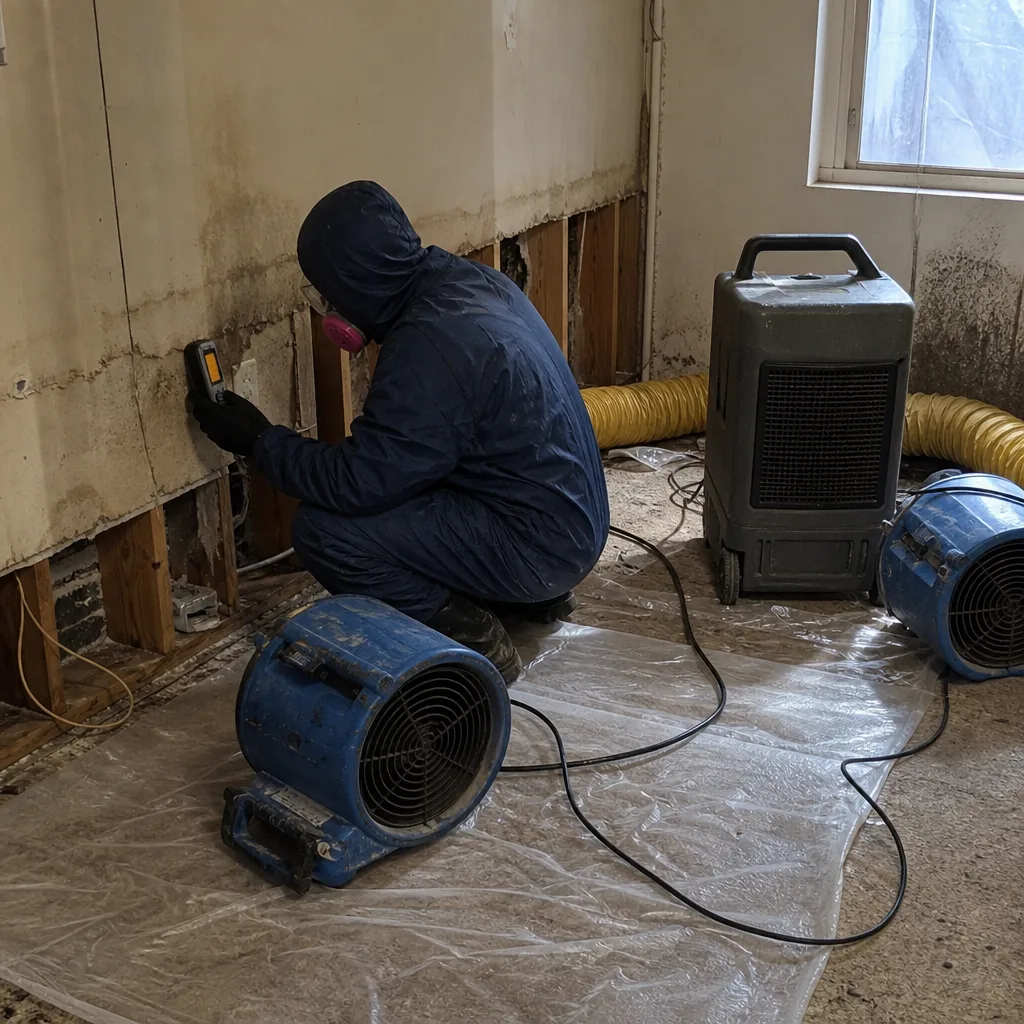 Before
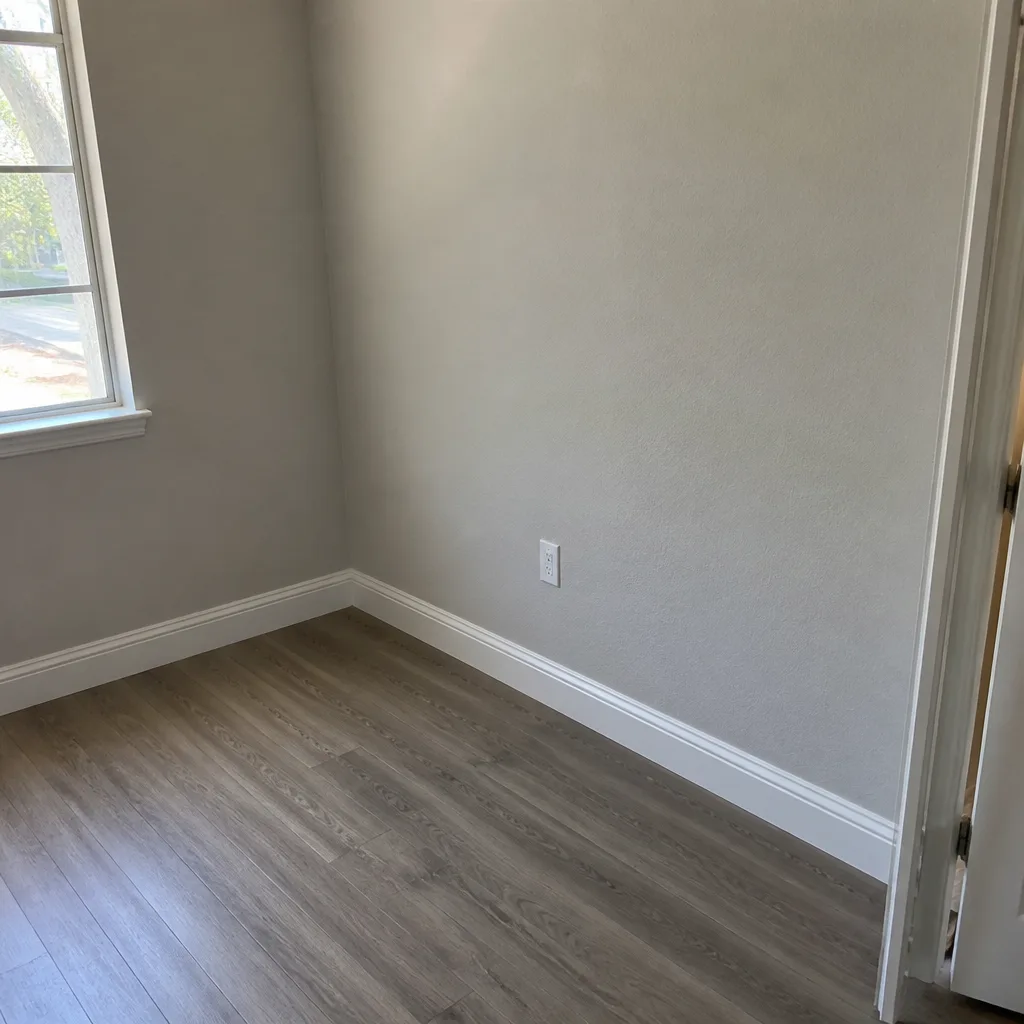 After
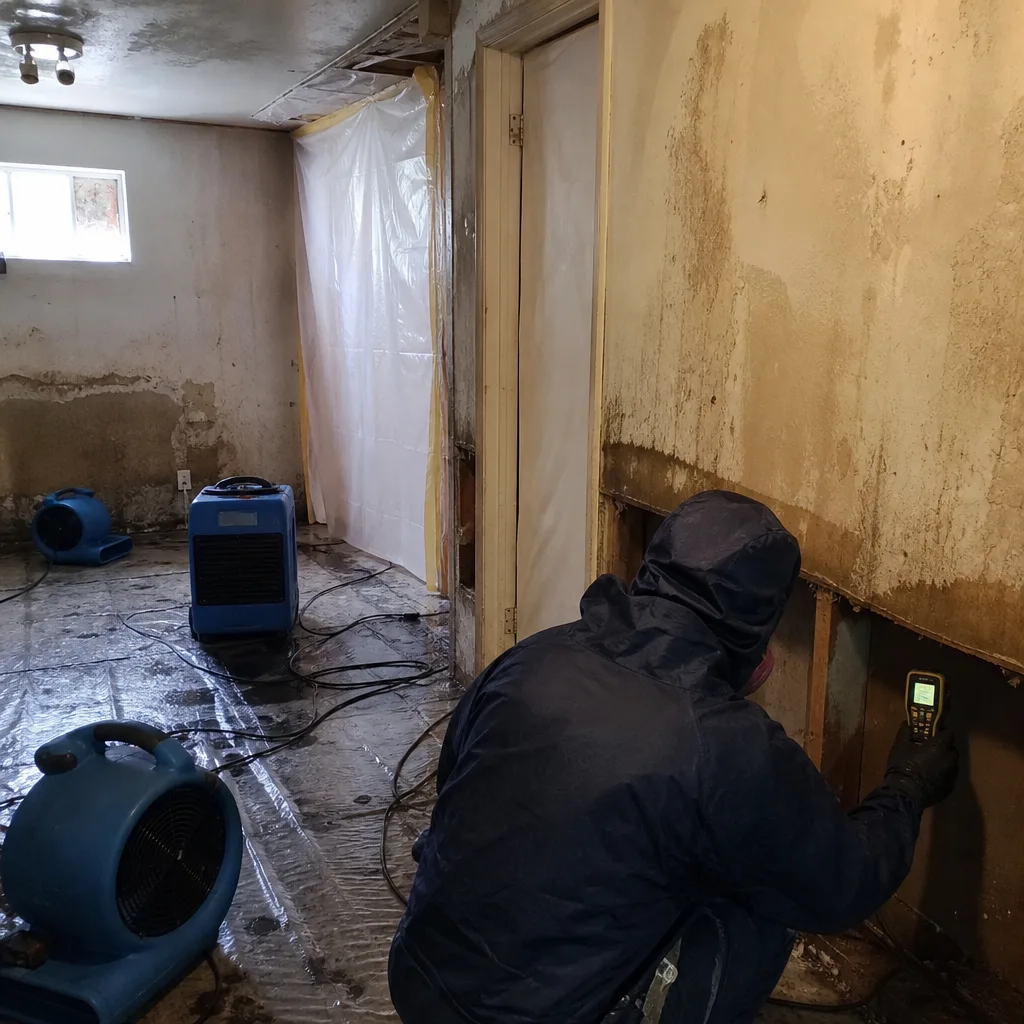 Before
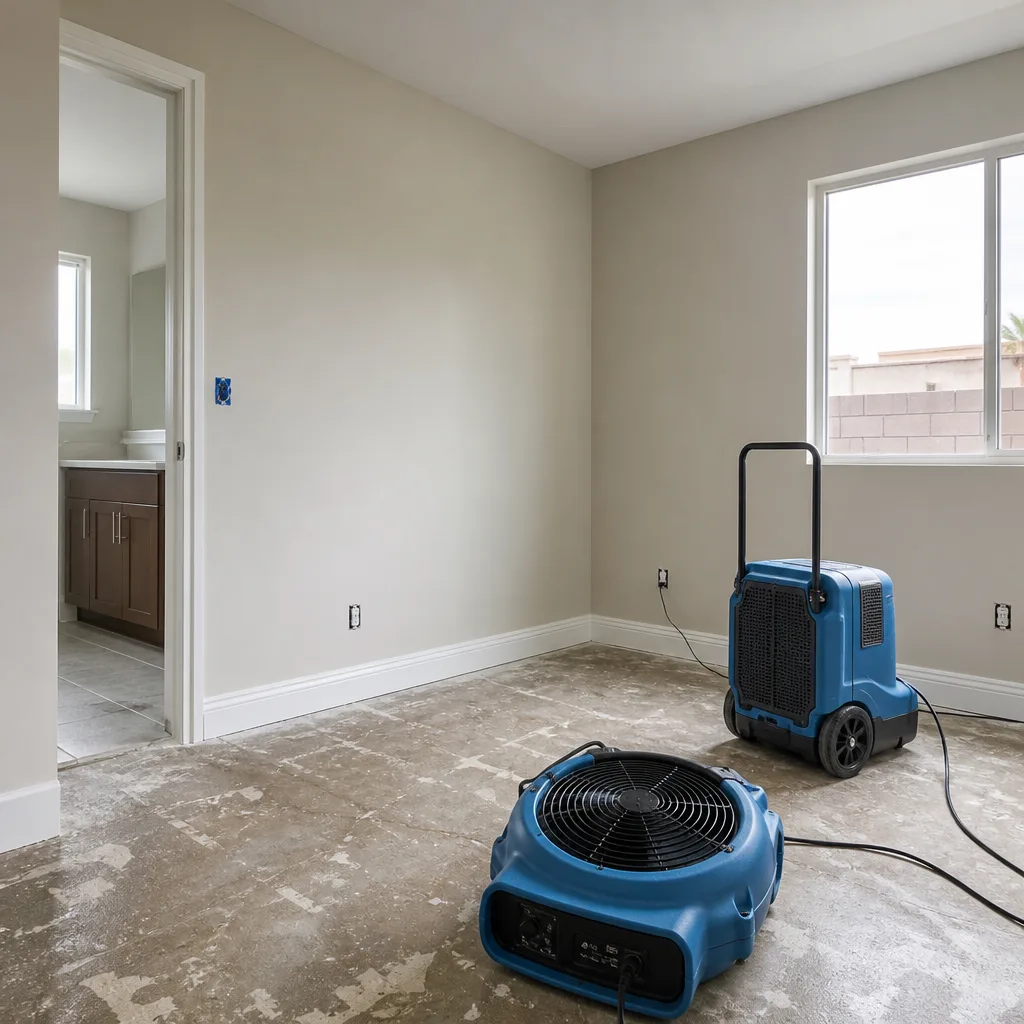 After
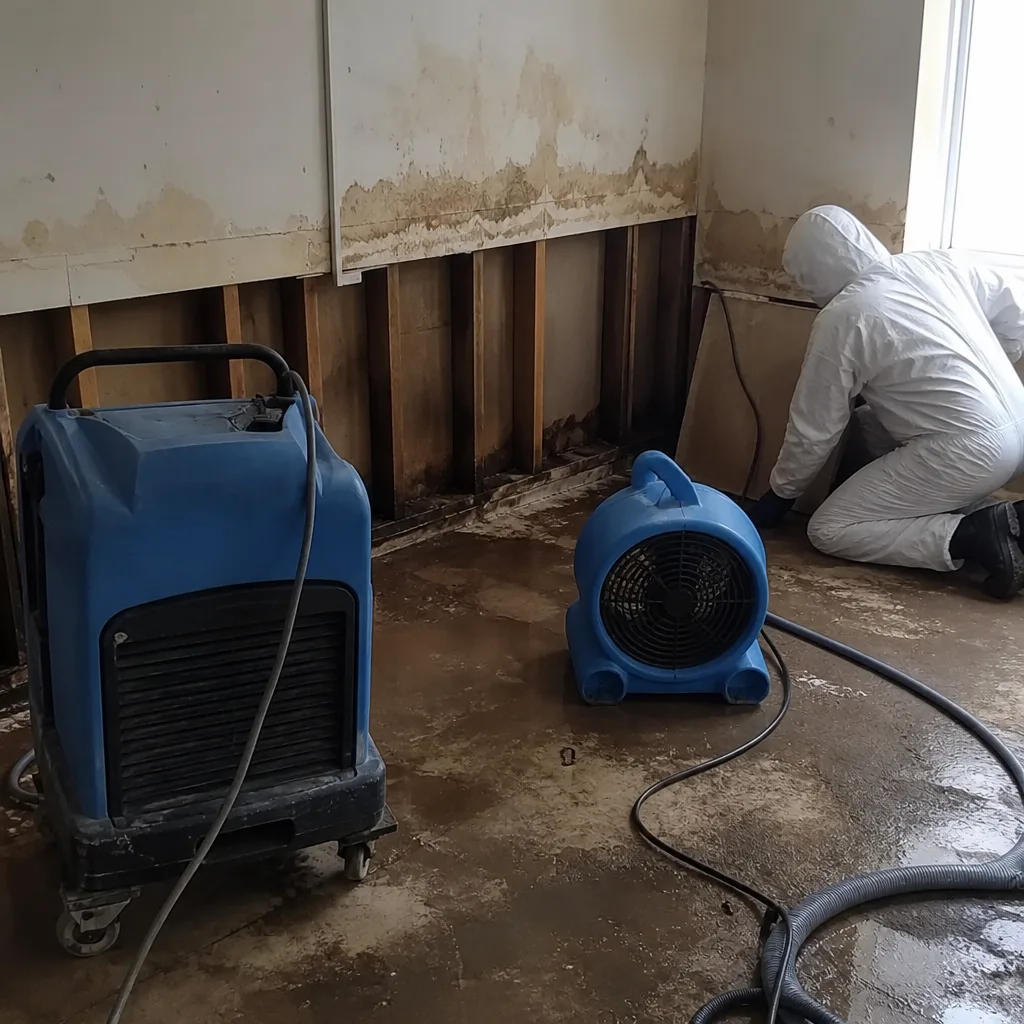 Before
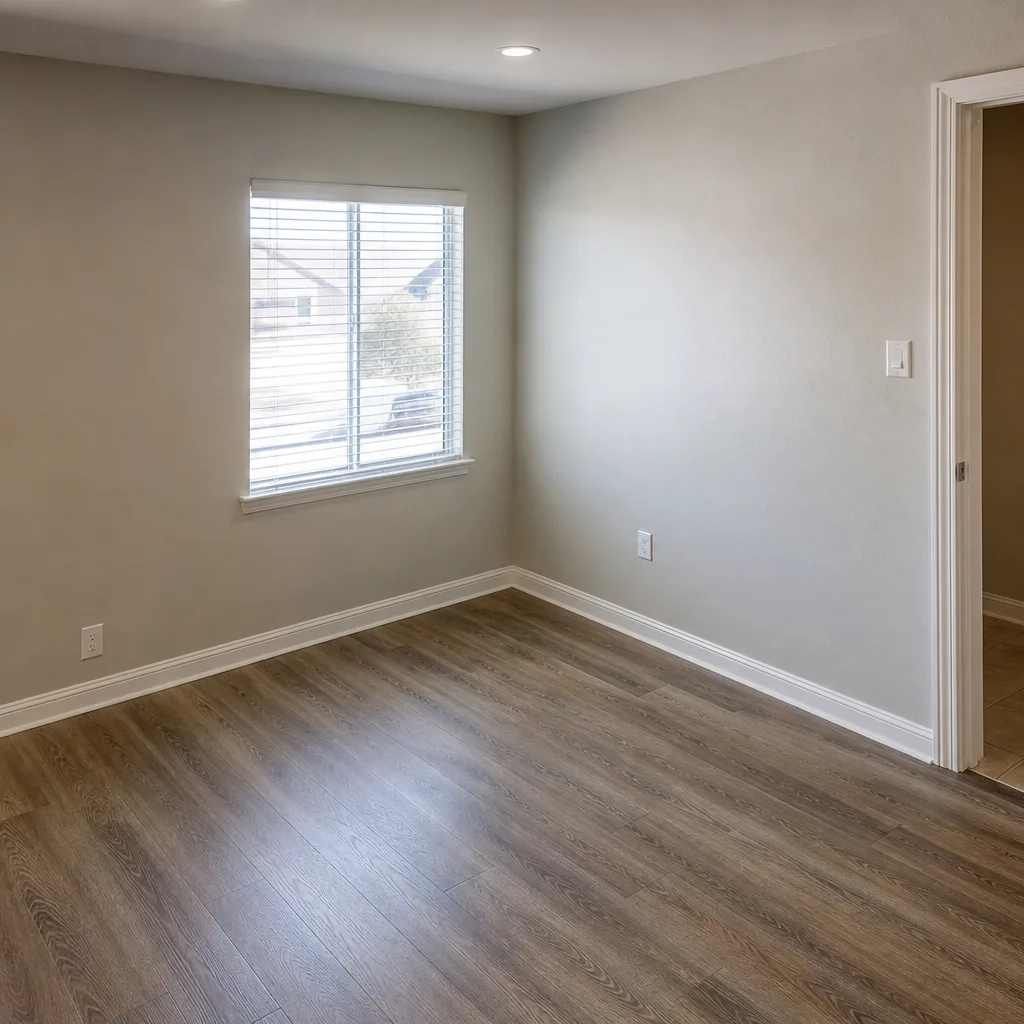 After